Quantum trick boosts microscope resolution by 5 times ⚡ экспресс
Original: "Passive Imaging with Quantum Advantage"
Scientists sidestepped light's quantum fuzziness to increase image sharpness fivefold without extra lighting.
Links in the knowledge graph 1
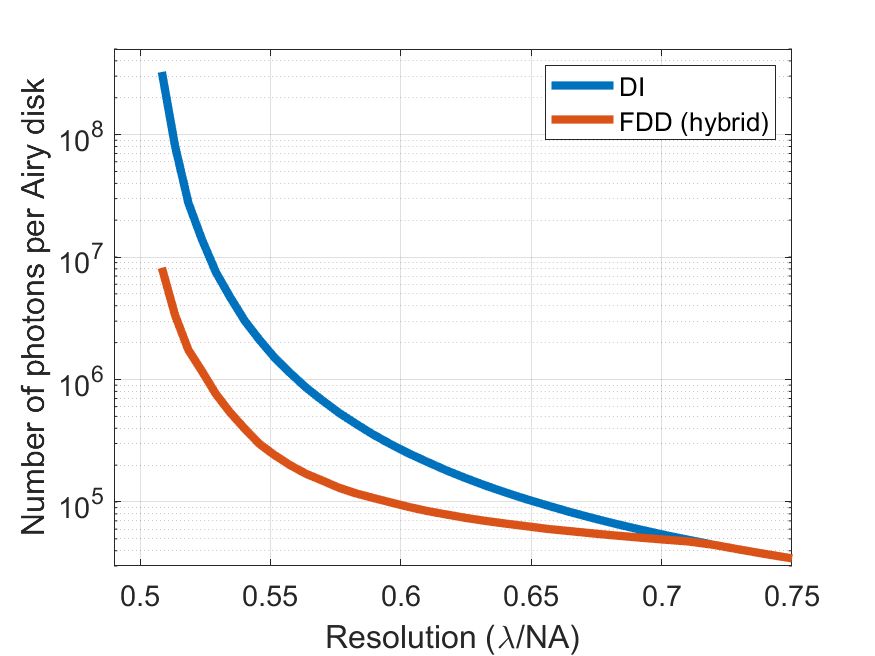
Regular cameras lose fine details because of light's shot noise—like trying to hear an orchestra over a noisy crowd. The new FDD method splits light into parts, measures them separately, and pieces it back together like a conductor spotlighting each section. This lets you see tiny structures 5 times better and works even without extra lighting, opening the door to ultra-sharp images in astronomy and microscopy.
🎯 Shot noise is why old TVs showed 'snow' on analog broadcasts: random electric pulses mirror the random arrival of photons.
🎬 Like in 'Blade Runner,' where you can endlessly enhance an image by zooming in on details—just without breaking the laws of physics.