How Collagen Stretches Inside a Tendon ✎ express
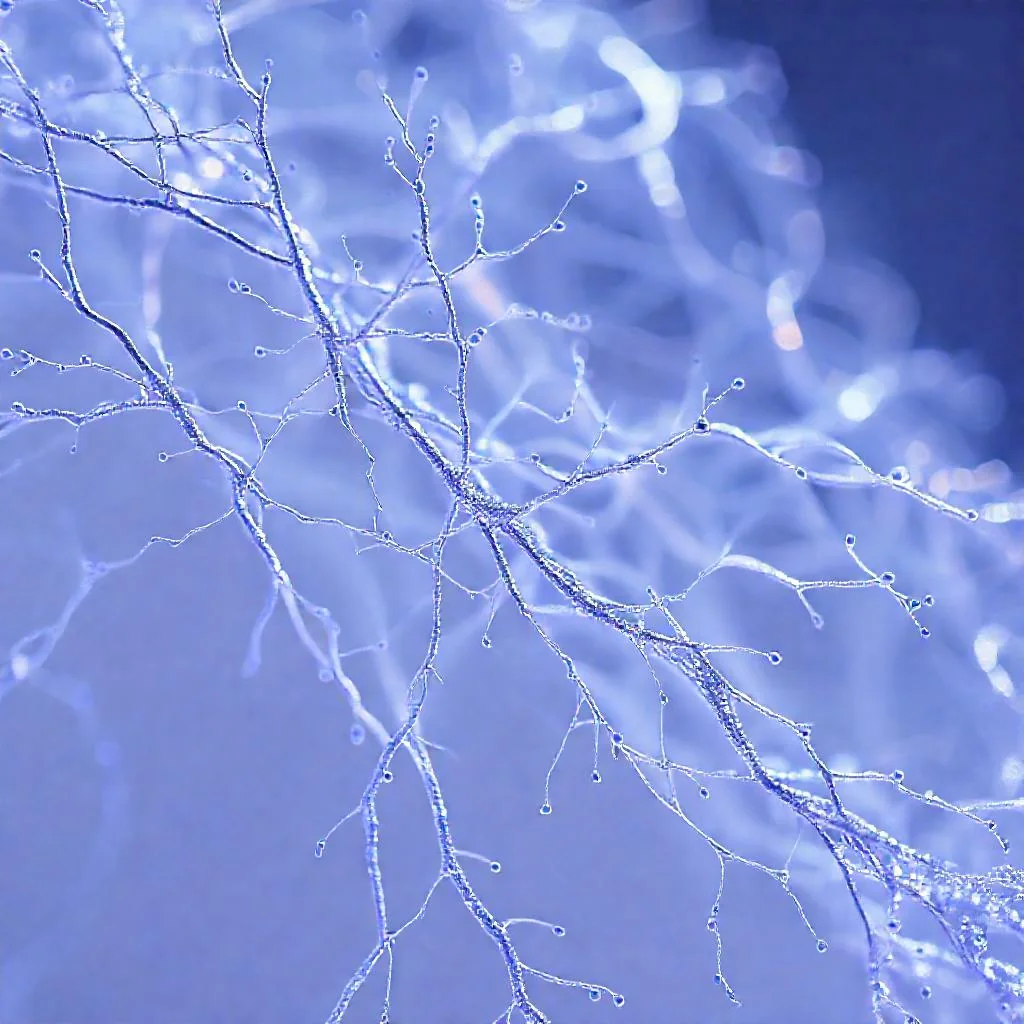
Collagen is the rope from which our tendons, skin, and bones are woven. Each "rope" is a bundle of molecules twisted into a triple helix, like three strands in a cable. Until now, no one had seen what happens to these strands when we pull on the cable. In the new study, researchers took individual fibers from cow tendons and stretched them while simultaneously shining a laser on them and probing them with an ultra-thin needle.
The laser made the collagen molecules emit a special light that reveals how much they are stretched. It turned out that the molecules stretch more than the bands visible under the microscope on the fiber. This is especially noticeable in "young" fibers with fewer chemical cross-links between the strands. When the stretch reached its limit, the helices began to unwind, like a cable that first unravels and then snaps.
Why does this matter? Understanding how collagen bears load and where it fails can help create stronger artificial tissues and better treat tendon injuries. If we know which "cross-link" makes the cable more reliable, we can choose materials that won't unravel at the worst possible moment.
Collagen fibers from cow tendons are so strong that they can withstand a load comparable to the weight of a small car per square centimeter.