Des invités venus des abysses : comment des planètes vagabondes ont bouleversé le destin de la Terre express
À la périphérie du système solaire se dissimulent des milliers d'objets de la taille d'une exoplanète. Parfois, leurs trajectoires croisent l'orbite de la Terre. Pas besoin de collision : même en passant à proximité, une telle masse peut semer la catastrophe.
De tels événements ont laissé des traces dans les roches : des couches de cendres et d'animaux emportés aux quatre coins du globe. La disparition des dinosaures il y a 66 millions d'années n'a peut-être pas été causée uniquement par un astéroïde, mais aussi par une planète de passage. Quant au Soleil lui-même, au cours de sa longue vie, il a capturé de tels vagabonds, ce qui a temporairement intensifié sa chaleur — la Terre a tantôt gelé, tantôt rôti.
Résumé original
tel que rédigé par les auteurs, en anglais arXiv:2606.17105
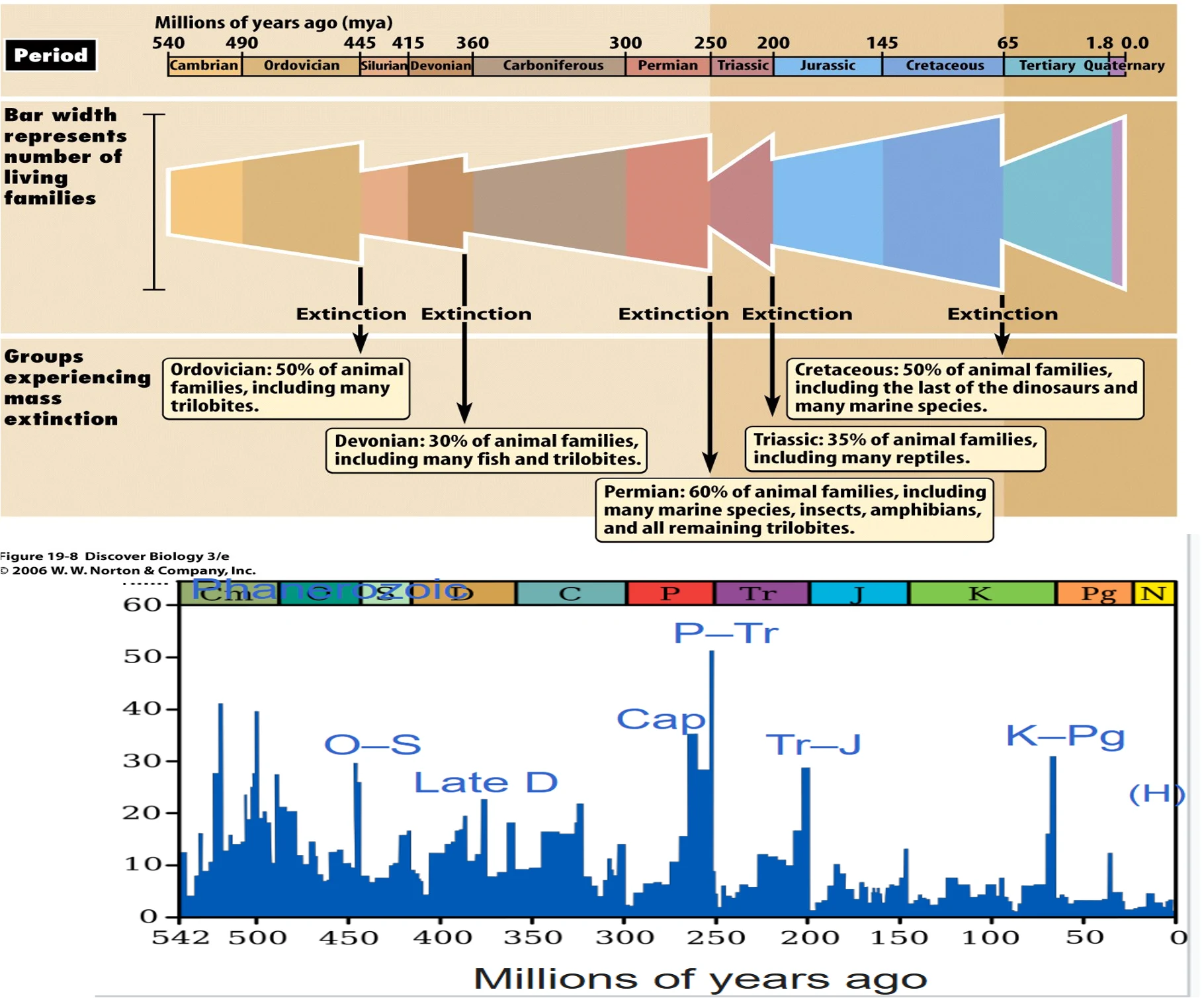
Past and recent observations suggest that many planetary mass or dwarf planet objects may exist in the outer Solar System. Gravitational perturbations may occasionally bring some of them into the inner Solar System. The early, rare collision between the early Earth and a Mars sized body is generally invoked to explain the formation of the Moon. More probable than a direct impact, are grazing or near Earth flybys of similar objects. Such passages may have left strong tidal signatures: giant waves, large volcanic episodes, sea regressions, coherent meteor showers, and major climatic perturbations. These mechanisms could have contributed to several major biological mass extinctions over the past $$600$$ million years, as suggested by peculiar correlations in the geological record. Similar events may have occurred several times during the earlier history of Earth. Accretion of mini planets by largest planets and in particular by the Sun may also have occurred many more times over the last four billion years. Possibly producing additional temperature variations on planets and Earth.
Les forces de marée pétrissent Io, la lune de Jupiter, au point qu'elle crache de la lave sans interruption — comme un tisonnier cosmique remuant les braises.
Dans le roman « Évolution » de Stephen Baxter, une étoile à neutrons qui passe modifie le climat de la Terre et provoque une extinction.