ظل الثقب الدودي: زوايا حادة عند الدوران سريع
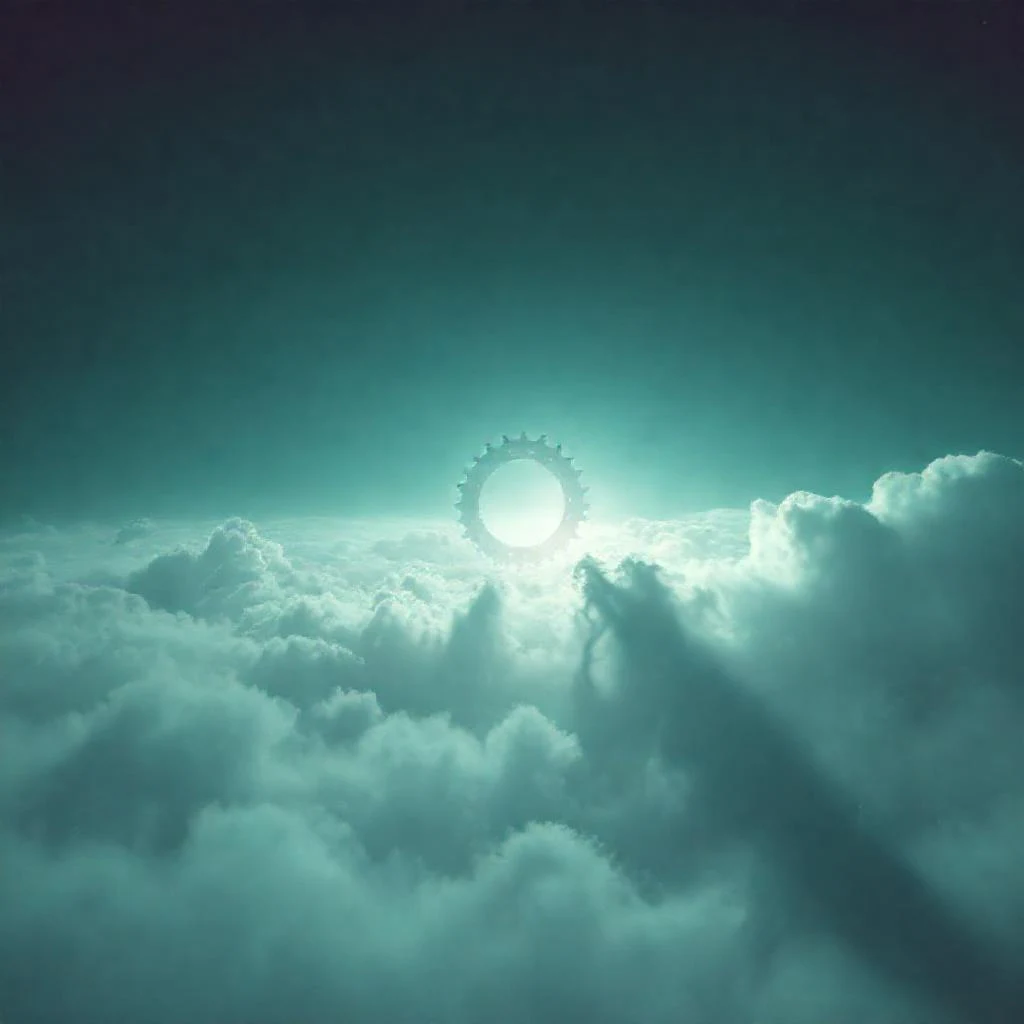
الثقب الدودي — نفق في الفضاء يربط بين مناطق بعيدة في الكون. كان ظله على خلفية الغاز المضيء يُعتقد لفترة طويلة أنه دائري مثل ظل الثقب الأسود. لكن بالنسبة للثقب الدودي الدوار (الذي يمكن المرور عبره) قد يكون شكل الظل مفاجئًا: تصبح الحافة مسننة كالترس.
إذا تمدد الضوء بشدة أثناء مروره عبر العنق (أي تحول لونه نحو الأحمر)، فإن الدوران يجعل الظل يمتلئ بنتوءات حادة. وجد الباحثون عتبة حرجة: بمجرد أن يصل هذا التمدد إلى قيمة معينة، يكتسب الظل فجأة أسنانًا.
هذا الشكل 'الممزق' هو مفتاح للتلسكوبات المستقبلية. إذا رأى الفلكيون بدلاً من الظل الأملس بنية ذات نتوءات حادة، فسيشير ذلك ليس إلى ثقب أسود بل إلى ثقب دودي.
الملخص الأصلي
كما كتبه المؤلفون، بالإنجليزية arXiv:2602.14182
We investigate the shadow cast by a rotating traversable wormhole in the Teo class endowed with a general redshift function, with particular emphasis on the emergence of cuspy structures. The shadow boundary is the common envelope of two critical orbit families: unstable circular orbits outside the throat and orbits at the throat itself. The formation of cusps, marking the transition between smooth and cuspy shadow boundaries, only becomes possible when the redshift parameter $$\lambda$$ is allowed to vary. Moreover, we uncover a universal critical value $$\lambda_c$$ that signals the onset of the cusp. A phase diagram characterized by the spin and redshift parameters reveals four distinct morphologies: smooth, cuspy, ears touching, and throat drowning. The morphology of the wormhole shadow may provide observational diagnostics for the different compact objects in future high-resolution imaging observations.
لم تُكتشف الثقوب الدودية بعد، لكن معادلات أينشتاين تسمح بوجودها — تمامًا كما كان الحال مع الثقوب السوداء يومًا ما.
في فيلم 'Interstellar'، تمت الرحلة عبر الثقب الدودي دون رؤية ظله — مع الأسف: ربما كان سيبدو كالترس.