النجوم الأولى ربما ما زالت حية حتى يومنا هذا سريع
أضاءت النجوم الأولى من سحب لم تحتوِ سوى الهيدروجين والهيليوم. العناصر الثقيلة — الكربون والأكسجين والحديد — ظهرت لاحقًا داخل النجوم. لكن بين تلك الأوائل ربما كانت هناك نجوم خفيفة، بكتلة أقل بقليل من كتلة الشمس. مثل هذه النجوم تعيش طويلًا جدًا، مليارات السنين، وقد تبقى حتى يومنا هذا.
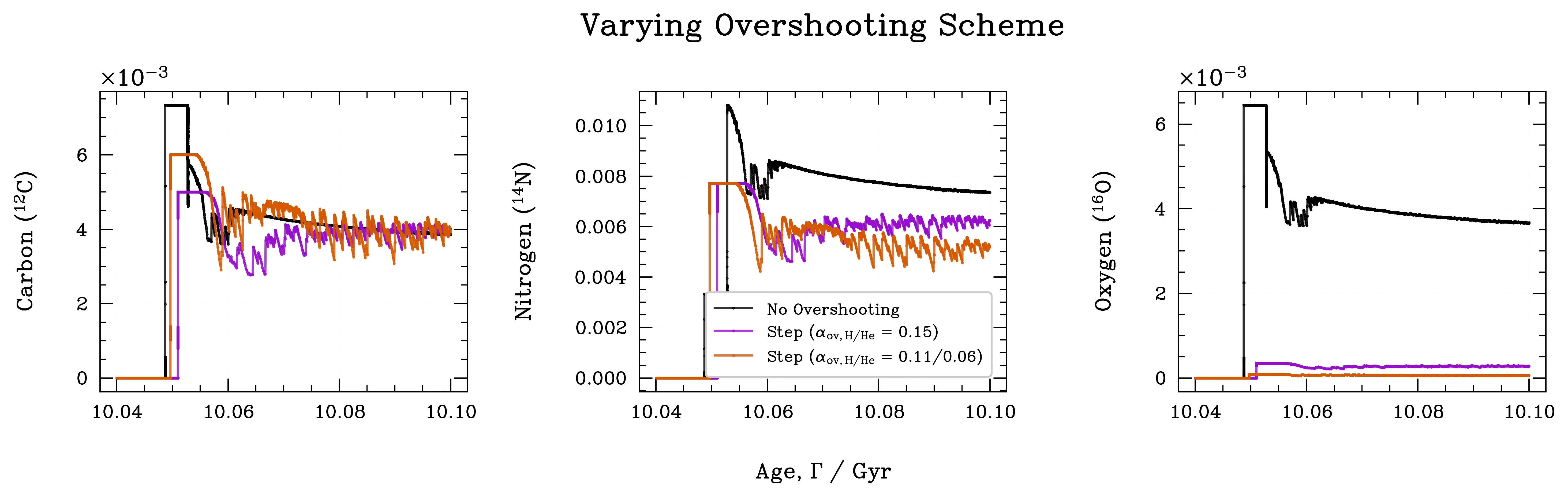
بنى عالِم الفيزياء الفلكية نماذج حاسوبية لكيفية تغير هذه النجوم مع تقدم العمر. غيّروا في النماذج مدى فقدان النجم لمادته، وكيفية اختلاط طبقاته. واتضح أنه في نهاية حياته قد يقذف النجم غلافه الخارجي ويبقى قزمًا أبيض بحجم الأرض، لكن بكتلة تعادل نصف كتلة الشمس.
يمكن البحث عن مثل هذه الأقزام البيضاء في أطراف درب التبانة. إذا عثرنا على واحد على الأقل، فسيكون دليلًا مباشرًا على أن النجوم الأولى لم تكن كلها عمالقة. الأمر يشبه العثور في مدينة حديثة على منزل مبني من حجارة عمرها مليارات السنين.
أظهرت النماذج أيضًا أنه أثناء الومضات يصدر النجم نيوترينوات — جسيمات مراوغة لا تتفاعل تقريبًا مع المادة. قد تلتقط كواشف المستقبل مثل هذه الإشارة. عندها سنعرف عن ولادة النجوم الأولى ليس من الضوء، بل من هذه «الأشباح».
الملخص الأصلي
كما كتبه المؤلفون، بالإنجليزية arXiv:2602.16082
The first stars likely formed from pristine clouds, marking a transformative epoch after the dark ages by initiating reionisation and synthesising the first heavy elements. Among these, low-mass Population III stars are of particular interest, as their long lifespans raise the possibility that some may survive to the present day in the Milky Way's stellar halo or satellite dwarfs. As the first paper in a series, we present hydrodynamic evolutionary models for 0.7 - 1 MSun stars evolved up to the white dwarf phase, utilising the MESA software instrument. We systematically vary mass-loss efficiencies, convective transport, and overshooting prescriptions, thereby mapping how uncertain physics influences nucleosynthetic yields; surface enrichment, including nitrogen-rich post-main sequence stars arising from convective shell mergers; remnant properties, such as low-mass helium or carbon-oxygen white dwarfs (M_WD ~ 0.45-0.55 MSun) and transient UV-bright phases; and potential observational signatures, including neutrino emission during shell mergers and helium flashes. These models establish a predictive framework for identifying surviving Pop III stars and their descendants, providing both evolutionary and observational constraints that were previously unexplored.
القزم الأبيض هو نجم منضغط إلى حجم الأرض: ملعقة صغيرة من مادته تزن بقدر شاحنة.