الشمس تسحب الإلكترونات إلى الخلف، ومع ذلك تظل تهرب سريع
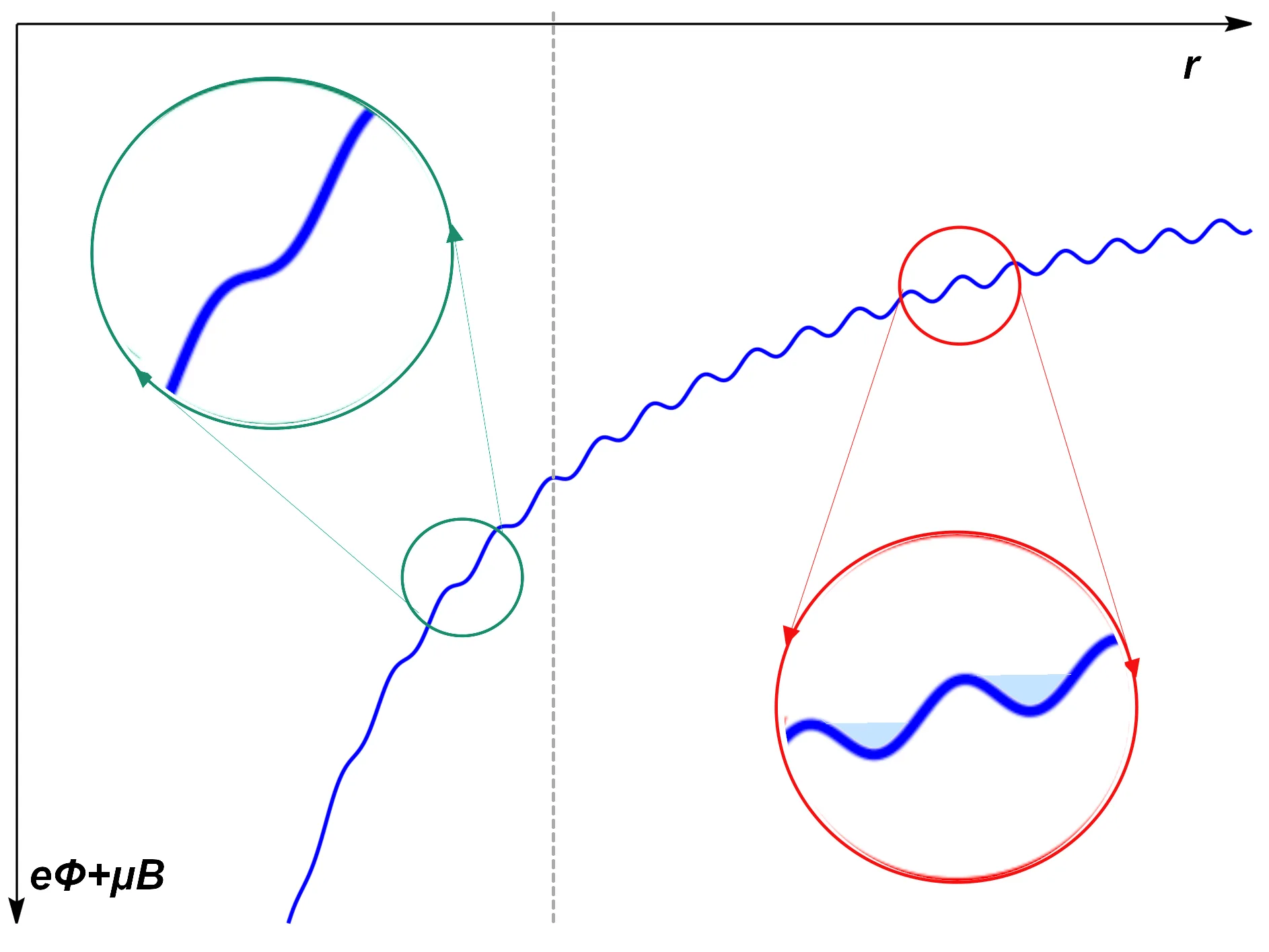
تبعث الشمس باستمرار تيارًا من الجسيمات المشحونة — الرياح الشمسية. ومن بينها العديد من الإلكترونات، وبعضها يطير عائدًا نحو الشمس. لكن الملاحظات تُظهر أن عدد الإلكترونات العائدة أقل مما ينبغي. كان يُعتقد سابقًا أن السبب هو المجال الكهربائي للشمس الذي يبطئ الجسيمات.
يقترح بحث جديد تفسيرًا مختلفًا. في الرياح الشمسية، يتقلب المجال المغناطيسي باستمرار ويشكل مصائد مغناطيسية صغيرة، تشبه الجيوب التي تتحرك مع الرياح. الإلكترون الذي يقع في مثل هذا الجيب لا يستطيع العودة فورًا إلى الشمس. إنه يحاول الهروب أولًا، لكنه سرعان ما يقع في الجيب التالي. وبهذه الطريقة، تفقد الجسيمات طاقتها وتبقى في تيار الرياح.
حسب العلماء أن الحد المقاس لطاقة الإلكترونات يُظهر عمق جيب واحد فقط، وليس المجال الكهربائي الكامل للشمس. في الواقع، قد يكون المجال أقوى بعدة مرات. وهذا يغير الفهم حول كيفية تسارع الرياح الشمسية. تشكل الإلكترونات المحتجزة الجزء الأكبر من الرياح، ويلعب المجال الكهربائي دورًا أكبر مما كان يُعتقد.
هكذا، تحبس الشمس، مثل راعٍ بجيوب غير مرئية، جزءًا من إلكتروناتها في تيار الرياح. ونحن الآن نفهم بشكل أفضل لماذا الرياح الشمسية على ما هي عليه.
الملخص الأصلي
كما كتبه المؤلفون، بالإنجليزية arXiv:2602.16221
This paper re-evaluates the relationship between the observed sunward electron cutoff energy and the depth of the Sun's global electrostatic potential. It investigates whether taking into account the effects of local traps formed by magnetic fluctuations provides an alternative explanation for the observed electron deficit. The fluctuations of the highly variable interplanetary magnetic field form a series of shallow magnetic mirror traps that move at approximately the speed of the solar wind. The study investigates the dynamics of electrons as they move outward against an attractive solar electrostatic potential and interact with these traps. By following the motion of the electrons using first-principles calculations, we assess the effect of the traps on the velocity distribution of the particles. Electrons that escape the local trap continue to lose energy as they move outward until they are eventually captured by subsequent traps, preventing them from returning to the observer as sunward-moving particles. We derive a mathematical expression for the cutoff velocity, defined as the limit beyond which particles can no longer overtake the outer endpoint of a local trap. It turns out that the observed cutoff energy characterizes only the local potential drop within a trap, rather than the total depth of the Sun's potential well. The true potential well can be significantly deeper, scaled by the ratio of the radial distance from the Sun to the trap size. Furthermore, electrons captured by these moving traps contribute to the formation of the solar wind core population. The Sun's electrostatic potential is a more significant factor in solar wind acceleration than previously interpreted from cutoff data. The interaction between electrostatic deceleration and moving magnetic traps provides a new framework for understanding the origin and behavior of the solar wind core electrons.
تهب الرياح الشمسية بسرعة تبلغ حوالي 400 كيلومتر في الثانية — أي أسرع بألف مرة من أقوى إعصار على الأرض.
في رواية آرثر كلارك «الرياح الشمسية»، تتحرك السفينة الشراعية تحت ضغط الضوء، لكن في الواقع تتكون الرياح من جسيمات تتصرف بشكل أكثر دهاءً مما ظنه كتاب الخيال العلمي.