رقصة كونية للأقزام فائقة البرودة سريع
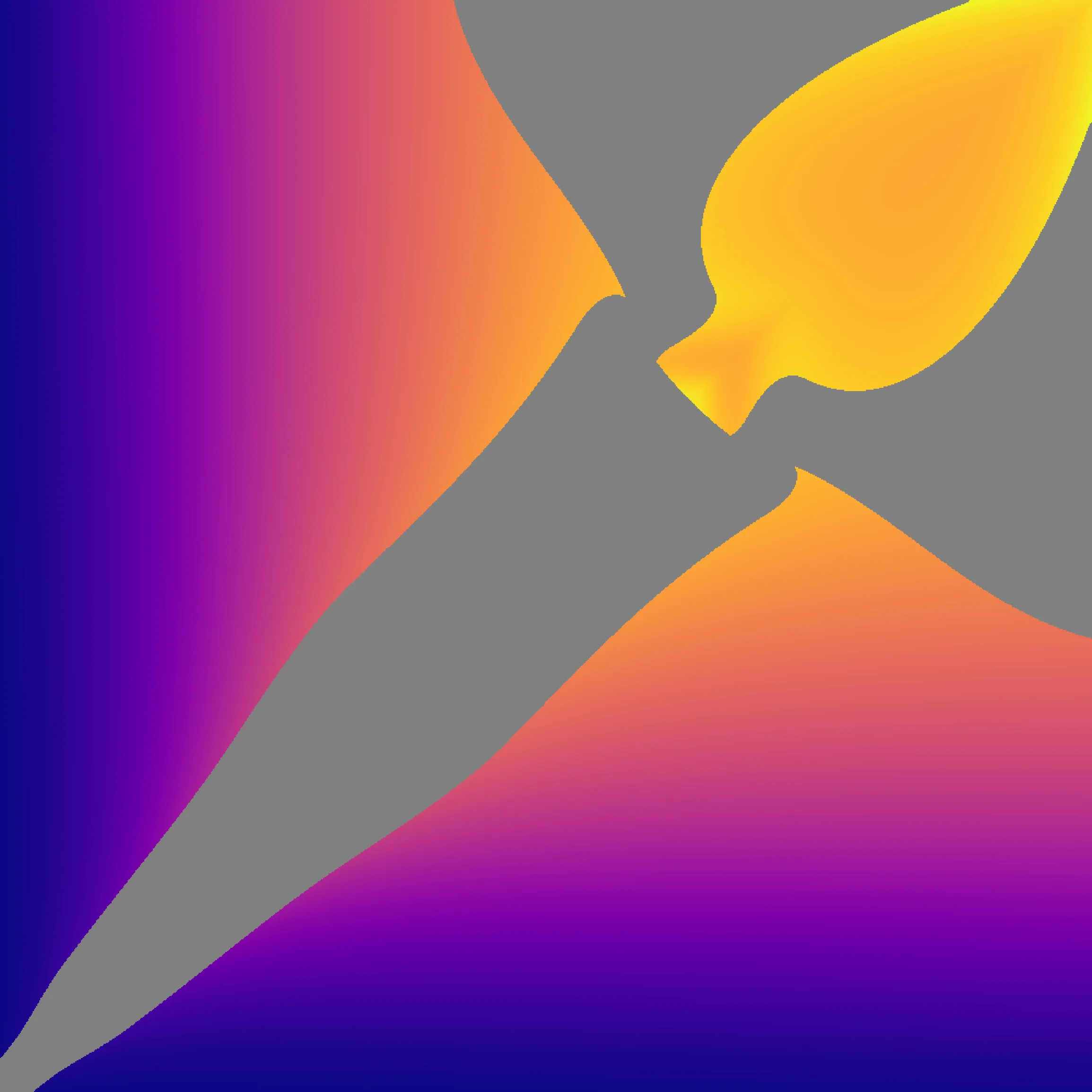
نجمان خافتان يدوران في مدار متقارب لدرجة أن أحدهما يسحب المادة من الآخر، مثل ملعقة تزيل الرغوة بحذر من مرق. لأول مرة، حسب علماء الفلك مصير مثل هذه الأزواج — الأقزام فائقة البرودة والأقزام البنية، أبرد وأخفت سكان المجرة. كان يُعتقد سابقًا أن تبادل الكتلة بينها مستحيل: فهي هشة للغاية. لكن النمذجة أظهرت: إذا كانت الكتلتان متساويتين تقريبًا، يكون النظام غير مستقر، أما مع اختلاف بسيط — على العكس، يمكن أن يستمر بشكل مستقر لفترة طويلة جدًا.
عندما تتدفق المادة، فإنها لا تشكل قرصًا، بل تصطدم مباشرة بسطح النجم الثاني. عند نقطة الاصطدام تظهر بقعة مشرقة — في الأشعة فوق البنفسجية أو حتى في الضوء المرئي. يكمل هذا الزوج دورة كاملة في زمن يتراوح من ساعة واحدة إلى ثلاث ساعات ونصف، وكلا النجمين دائمًا مواجهان لبعضهما بجانب واحد، مثل راقصين في رقصة الفالس البطيئة. من المتوقع أن يعيش هذا النظام حوالي مائة مليون سنة — وهي فترة قصيرة بالمقاييس الكونية، لكنها بالنسبة للمراقبين على الأرض تمثل أبدية كاملة.
وهكذا، تبين أن أبرد نجوم المجرة قادرة على علاقات عاصفة. من خلال دراستها، نفهم بشكل أفضل كيف تولد وتموت الأجسام على الحدود بين الكواكب والنجوم.
الملخص الأصلي
كما كتبه المؤلفون، بالإنجليزية arXiv:2603.17040
Several dozen binary ultracool and brown dwarf systems have been identified to date. These systems represent valuable probes of star and planet formation at the lowest mass scales. To date, the study of these ultracool binaries has been constrained to the non-interacting case. In this paper, we investigate the dynamics, stability, and evolution of mass transferring ultracool binaries using numerical simulations with accepted equations of state for brown dwarfs. We find that there exists a donor mass inversion, above which the donor dwarf is more massive than the accretor, but below which the accretor is more massive than the donor. Below the hydrogen burning limit, objects with mass ratios $$q \sim 1$$ are unstable, but slight deviations from this mass ratio are stable at the onset of mass transfer and remain stable throughout extended periods. We compute theoretical mass transfer rates using several angular momentum loss prescriptions and predict lifespans of $$\sim 100$$ Myrs. We predict that all mass transferring ultracool binaries are tidally locked and possess orbital periods ranging from just under $$1$$ hour to $$3.5$$ hours. We find that mass transfer proceeds via direct impact onto the accretor forming a UV or optically bright hotspot on the surface of the accretor.
الأقزام فائقة البرودة خافتة جدًا لدرجة أنه لا يمكن رؤيتها إلا بالتلسكوبات التي تعمل بالأشعة تحت الحمراء، على الرغم من أن كتلتها مماثلة لكتلة النجم.