The Brain Prints Itself: How Electrode Pairs Speed Up Mind Reading express
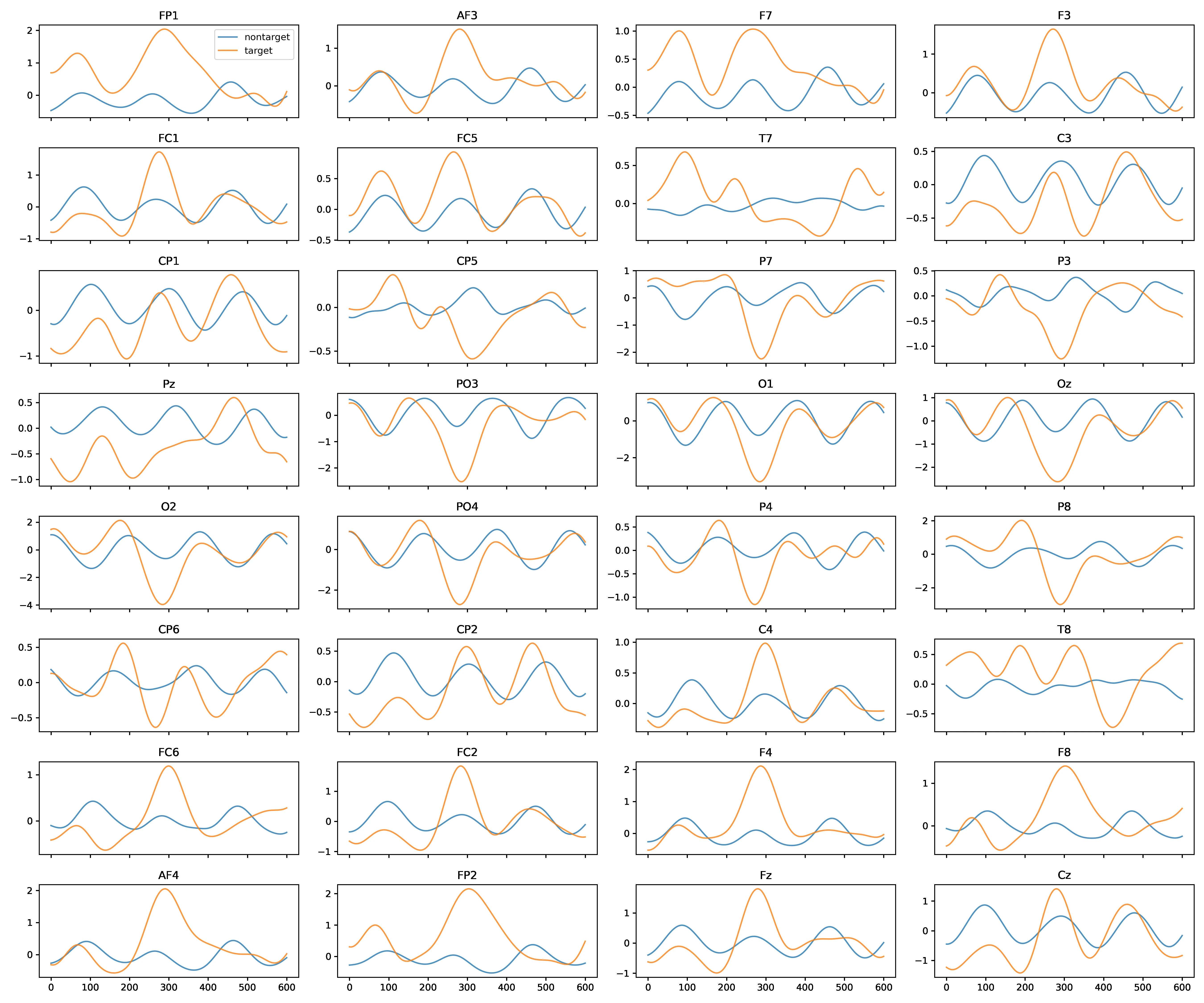
A person looks at a screen where letters flash. They don't move a hand or an eye: they only mentally note the desired symbol. Sensors on the head pick up the brain's faint electrical waves, and the computer figures out which letter the person chose. That's how a brain–computer interface works: it gives a voice to those who can't speak or move.
Previously, the machine looked at each sensor individually, like listening to an orchestra while recording only one violin and missing the cello playing nearby. The new model pairs up sensors, like a conductor who hears how instruments call to each other. It decides on its own which signal pairs matter at each fraction of a second and discards excess noise.
The improvement was especially noticeable in people who don't drink alcohol: their accuracy rose by 18 percent. Why that is remains a puzzle, but the model adapts to each person like a tailored suit. This is a step toward making mental typing fast and reliable for everyone.
The word 'alcohol' in the study isn't about the drink itself, but about the fact that some people's brain electrical patterns change after consuming it, making standard algorithms worse at recognizing them. The new model, which accounts for pairwise connections, proved more robust to these changes.
In the series 'Black Mirror,' people control technology with their thoughts; this work brings that scenario closer, but for medical assistance rather than entertainment.