Why Purple Bacteria Always Have Big Rings ⚡ экспресс
Original: "On Sub-Sevenfold Symmetries in LH2 Stacked Ring Scaffolds: A Quantum Optical Perspective"
A quantum energy dance sets the minimum size—and evolution took note.
Links in the knowledge graph 1
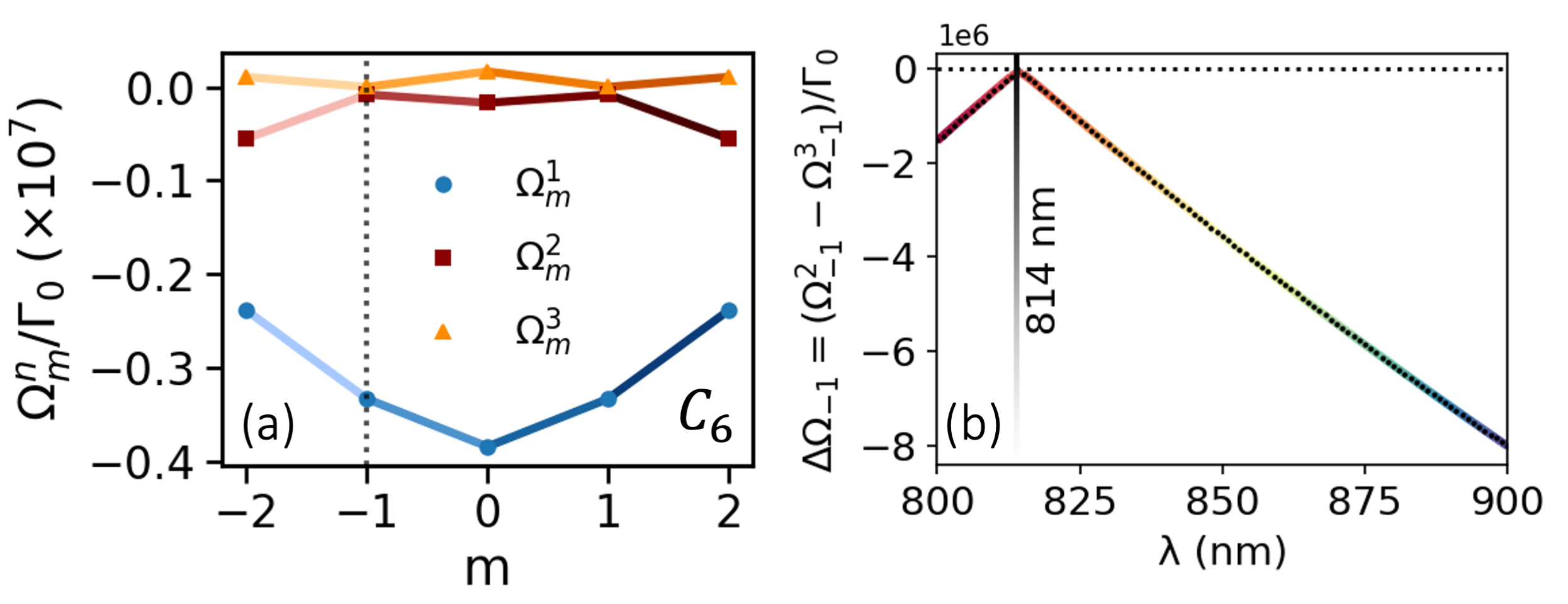
In murky pond water live bacteria that use nanorings instead of leaves. Quantum physics discovered why these rings can’t have fewer than seven ‘beads’. Reduce the number, and light leaks out like water from a leaky bucket. Evolution has been honing this design for billions of years—now its secrets could help us build next-generation solar panels.
🎯 Purple bacteria absorb infrared light—invisible to us, but felt as warmth. They thrive on this meager glow where other organisms starve.