Taming Light's Sideways Shift ⚡ экспресс
Original: "Coherent control of the Goos-H\"{a}nchen shift in Otto structure"
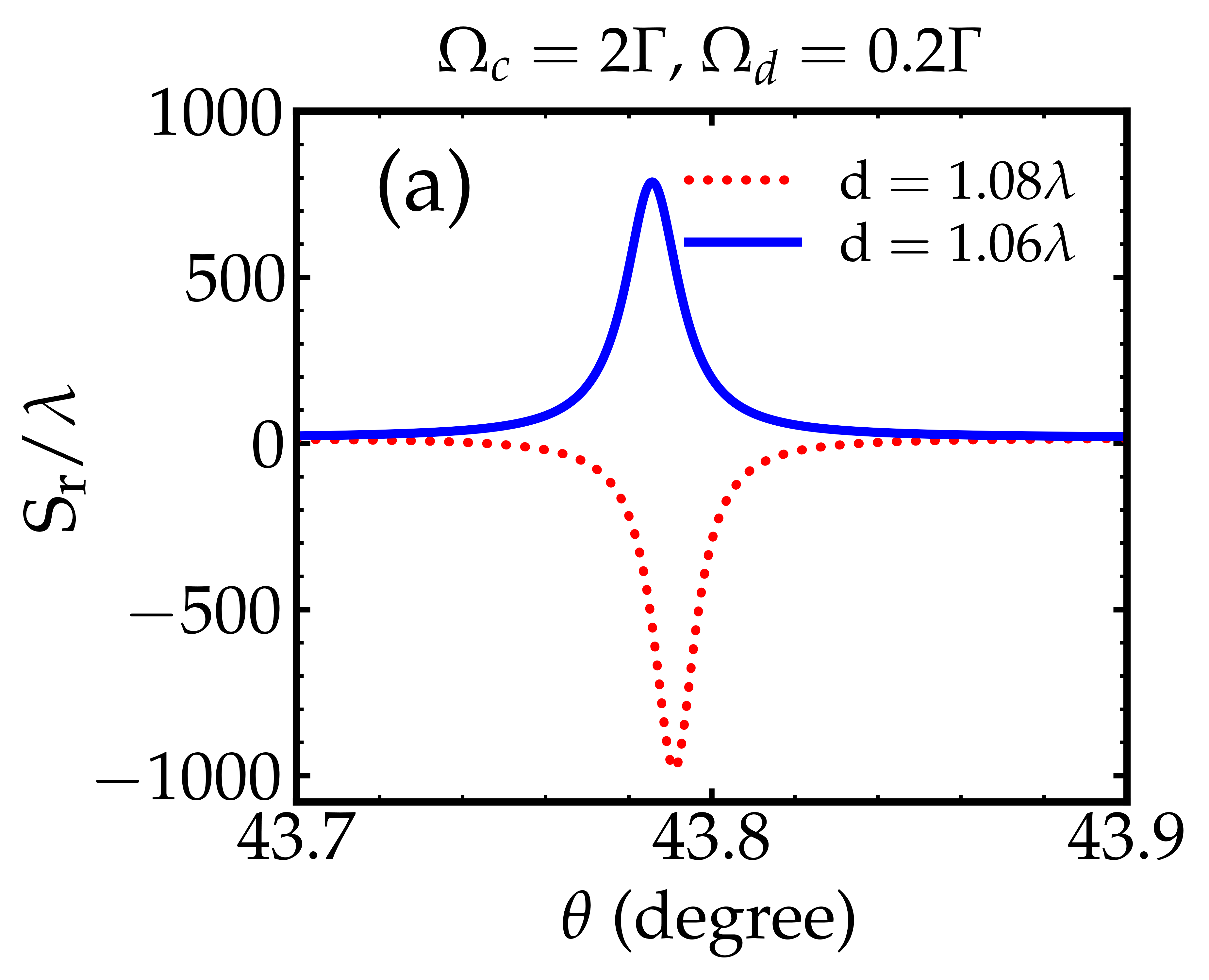
Scientists now control the subtle sideways shift of a reflected beam by swapping the air gap for a cloud of atoms steered by a second light.
Links in the knowledge graph 1
When light reflects off a surface, it can shift sideways by a hair’s breadth. Now scientists control this shift with a second beam, turning a simple reflection into an ultra-sensitive optical tool.
🎯 The Goos–Hänchen shift is named after German physicists who measured it in 1947 using a prism, a lamp, and a photographic plate. Its typical magnitude is a few micrometers, but in modern setups, amplification can reach hundreds of times, making the shift visible to the naked eye.