How a Quantum Coin Pretends to Be a Die ⚡ экспресс
Original: "Can a spin-half particle ever give more than two spots in a Stern-Gerlach experiment? -- the subtle physics of effective Hamiltonians"
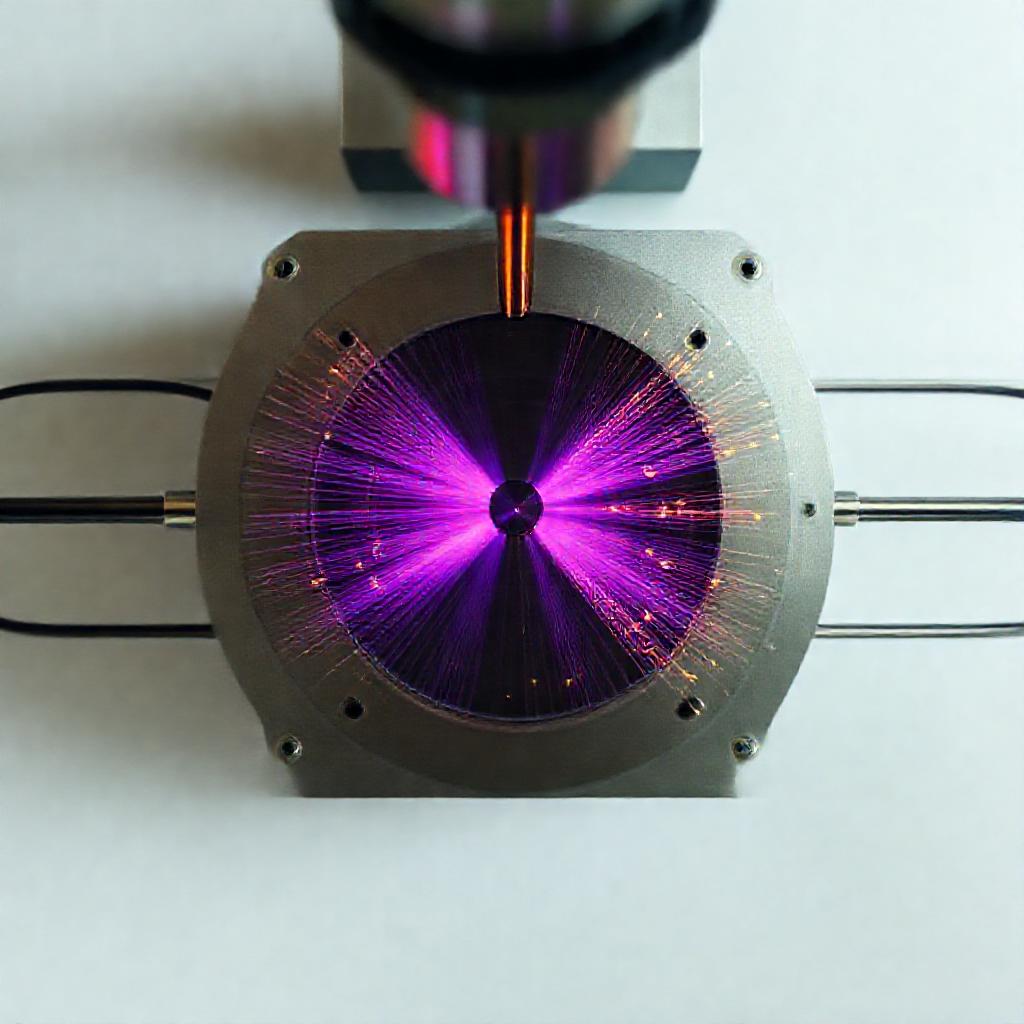
A particle that usually leaves only two traces in a magnetic field can, under constraints, fan out into many, mimicking more complex objects.
Links in the knowledge graph 1
Usually a spin-½ particle splits a beam in two. But under clever constraints, that same particle can simulate a multi-faced spin, producing a whole fan of spots. This quantum masquerade opens the door to new states of matter.
🎯 The original Stern–Gerlach experiment in 1922 was so sensitive that scientists could observe the splitting of the silver beam with the naked eye, thanks to the atoms depositing on the glass.