Winds of Cosmic Noon: How Quasar WISSH13 Halts Star Formation ✦
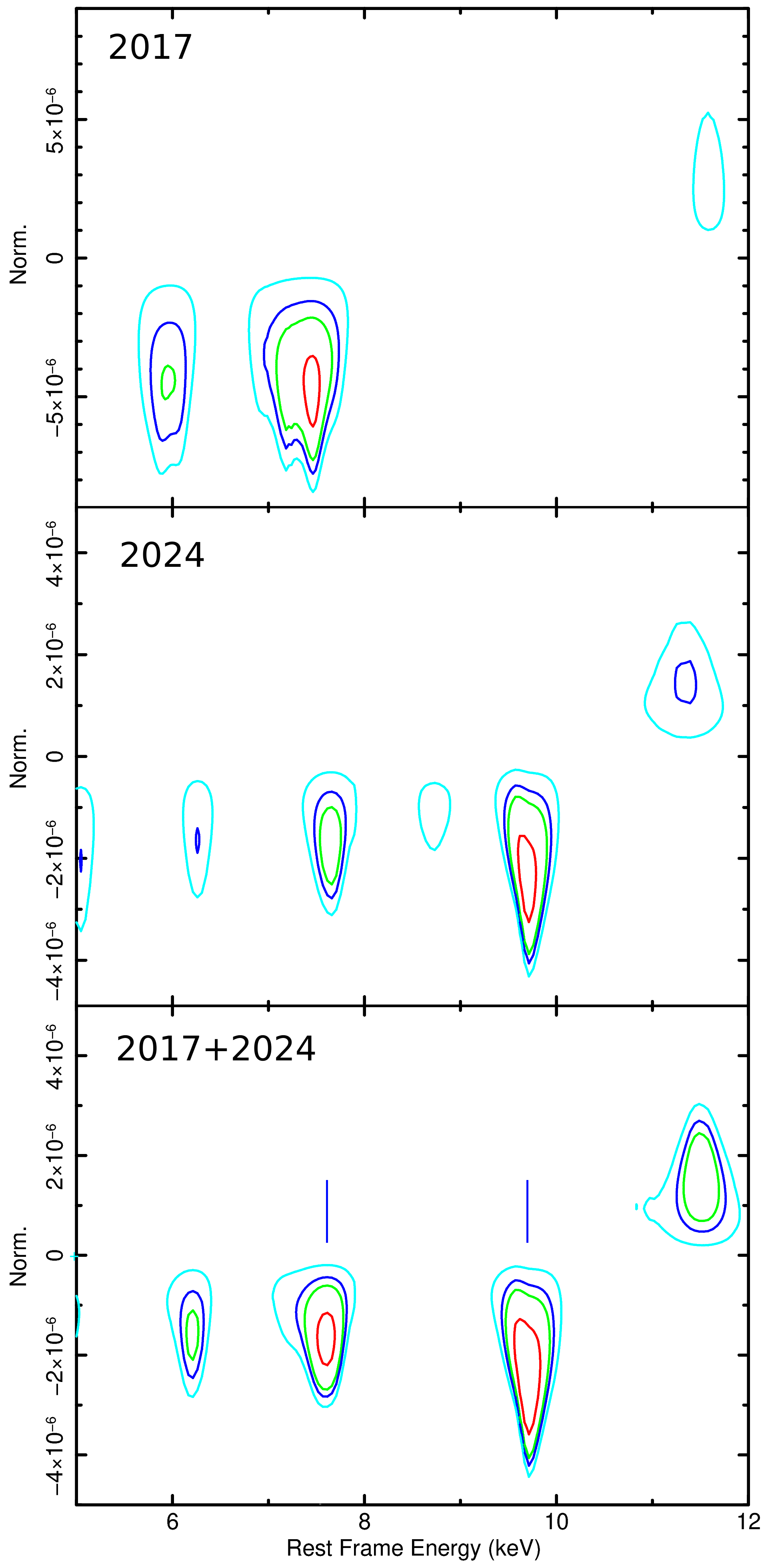
12 billion years ago, a black hole, devouring matter, ejected winds at a third the speed of light. These flows, like the hand of a cosmic conductor, halted the growth of a giant galaxy. Today, we catch the echo of that cataclysm and begin to understand: perhaps this is how the Universe regulates the birth of new stars. And, who knows, life on planets also depends on these invisible storms.
🎯 In just one Earth hour, WISSH13's fast wind covers 360 million kilometers—three times the distance from Earth to the Sun. For matter, such a speed (0.33c) is almost incredible, making it one of the fastest recorded cosmic flows.
🎬 The concept of ultrafast winds steering a galaxy's fate evokes the idea of a 'stellar vortex' from science fiction, where cosmic currents determine the destinies of worlds.