Pendulum without heating: X-ray mystery of PSR J0901-4046
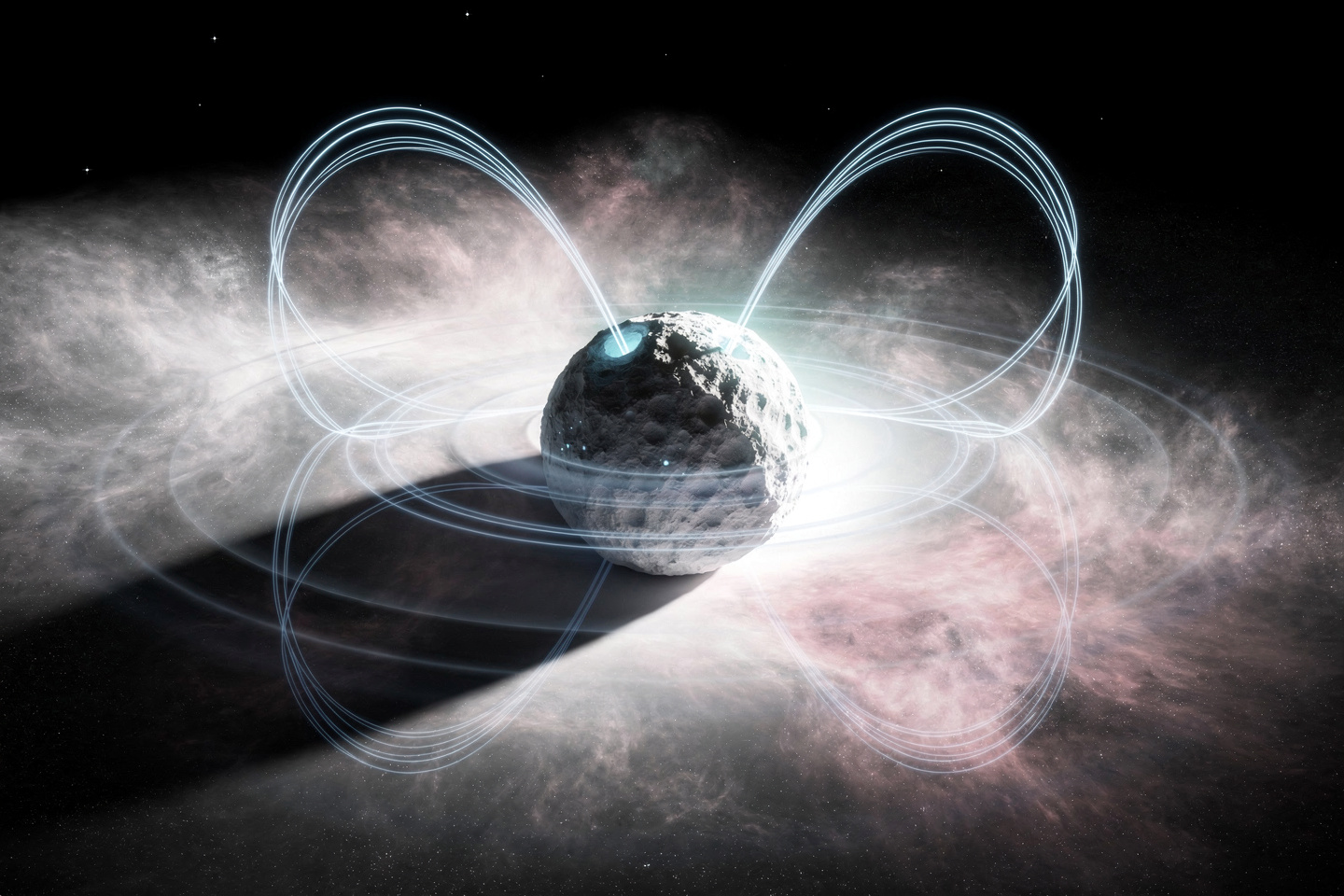
An ordinary pendulum eventually winds down. But the cosmic pendulum PSR J0901-4046—a pulsar with a 76-second period—keeps sending radio pulses, even though its X-ray heat should be visible. Chandra showed: no heat. The white dwarf hypothesis is disproven. Perhaps this is a neutron star where the energy comes not from spin, but from magnetic fields. So we edge closer to understanding how the quietest inhabitants of galaxies work.
🎯 The spin-down luminosity of PSR J0901-4046 is only 2×10²⁸ erg/s—that's ten times less than the Sun's radiation power. Like a cosmic 2-watt light bulb flickering with radio pulses.
🎬 In Robert Forward’s novel “Dragon’s Egg,” a life form evolves on the surface of a neutron star, where time runs a million times faster. Our search for slow pulsars is a step toward understanding such exotic worlds.