How Microwaves Turn Metal Transparent ✛
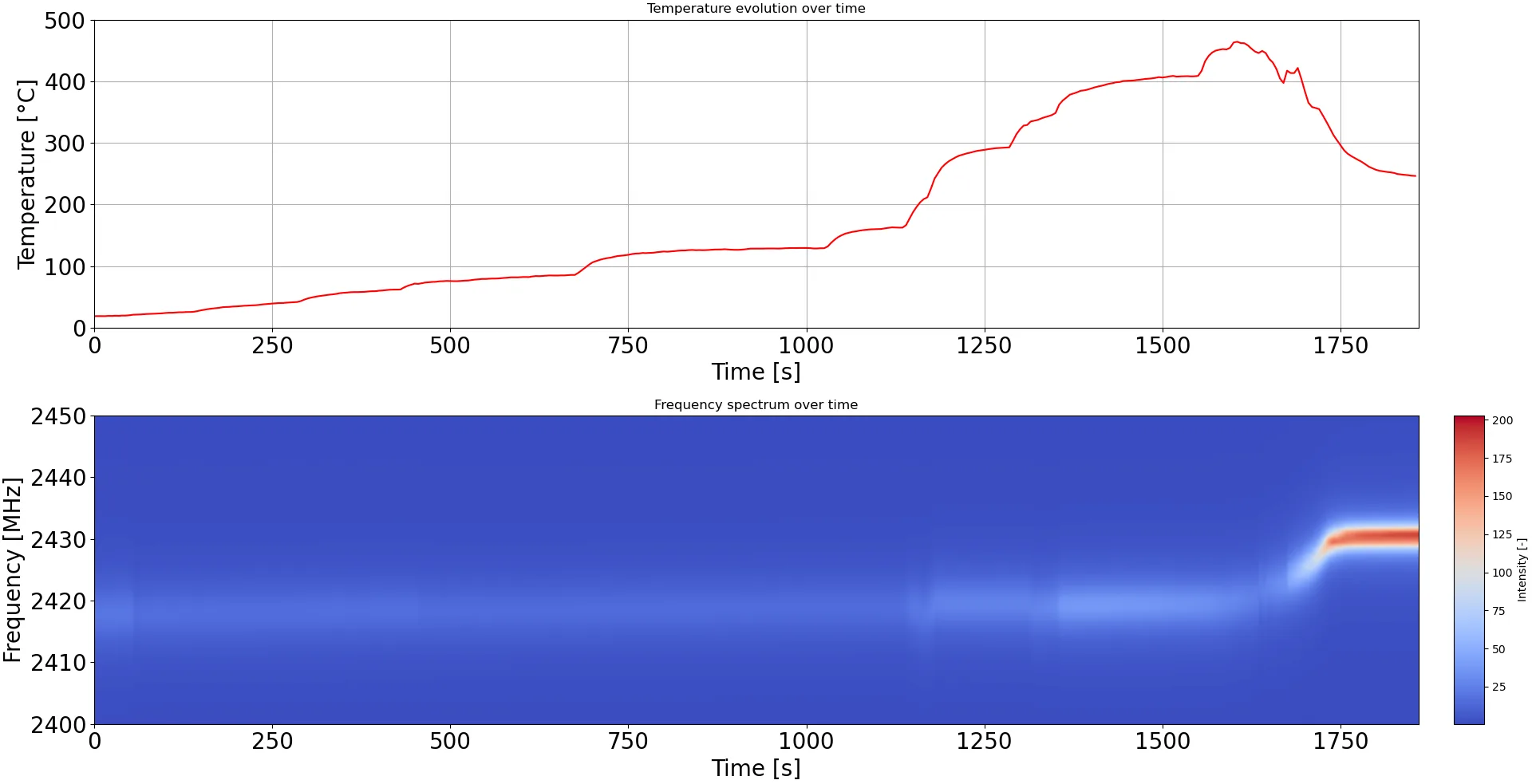
Tantalum is a metal that the body doesn't reject, which is why it's used to make capsules for implants. Inside such a capsule, you might place an LED, and the light needs to get out. For that, you need a transparent window in the metal, meaning you have to convert part of the tantalum into a transparent oxide.
The microwave cavity works like a keen ear: it heats the film and simultaneously hears the metal turning into glass. As the tantalum oxidizes, the cavity starts oscillating at a different frequency and loses less energy. This shift shows up on the instrument, and it tells you: the window is ready. This method takes tens of seconds, whereas in a furnace you'd have to wait an hour. And unlike laser heating, the metal doesn't evaporate.
Complete oxidation increases the film thickness from 200 to 409 nm, meaning the volume grows more than twofold. If a brick house swelled like that, the walls would bulge out onto the street.