أربعة كواكب مراهقة حول نجم فتي سريع
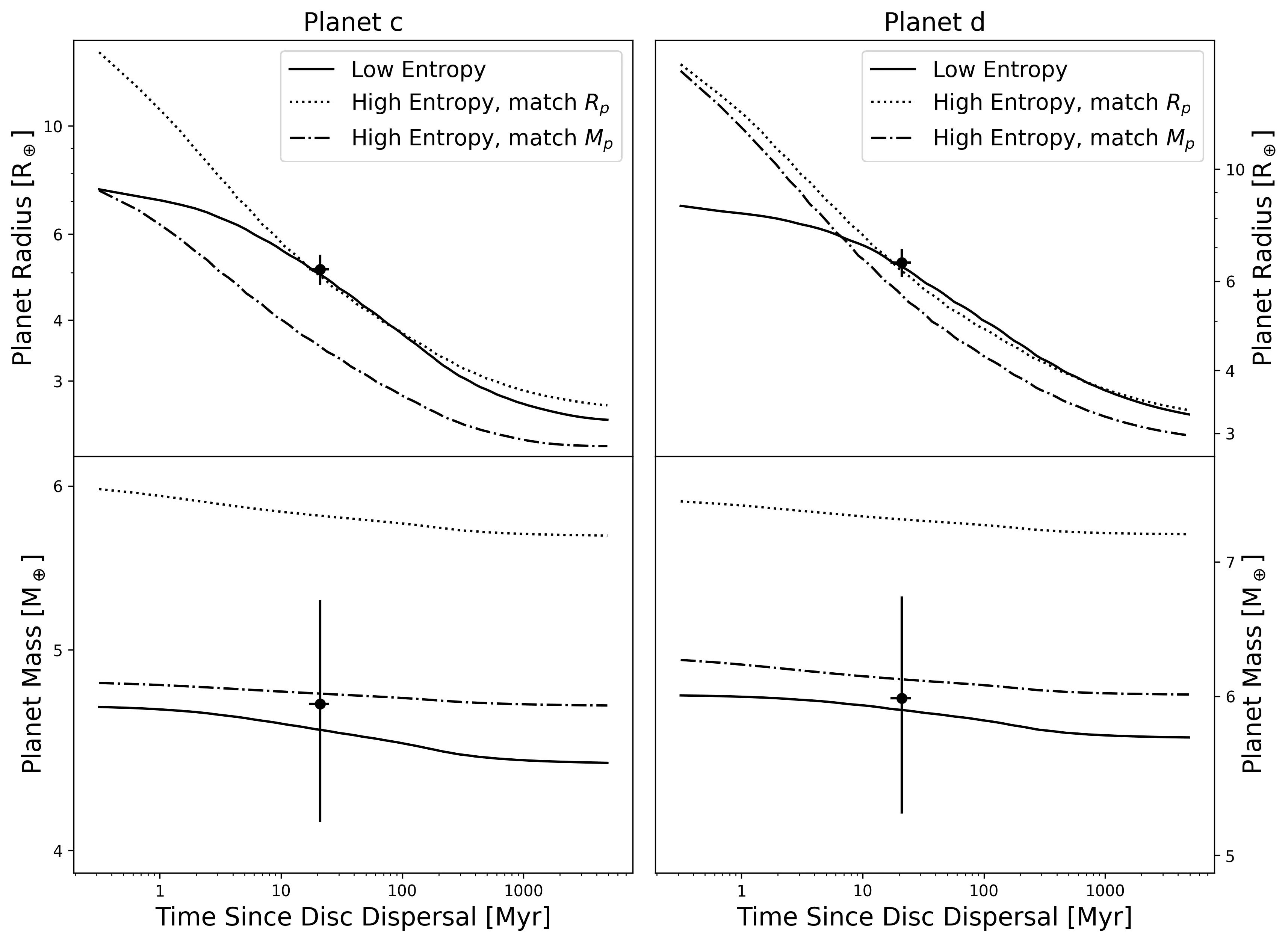
على بعد 350 سنة ضوئية منا، تدور أربعة كواكب حول النجم V1298 Tau. إنها أكبر من الأرض بـ5–10 مرات، لكنها أخف مما تبدو عليه. تسع سنوات من المراقبة الدقيقة لحركتها مكنت العلماء من فهم مكوناتها وتاريخها.
اتضح أن المدارات شبه دائرية — مما يعني عدم وجود اصطدامات عنيفة أو لقاءات مع أجسام أخرى في الماضي. نمت الكواكب بهدوء، كالأشجار في غابة ساكنة. بعد أن تبدد القرص الغازي الذي ولدت منه، بردت بسرعة. الآن هي منخفضة الكثافة، مثل كرات الثلج، لكنها مع مرور الزمن ستنكمش إلى أحجام الأرض الفائقة — وهي الكواكب الأكثر شيوعًا في المجرة.
الملخص الأصلي
كما كتبه المؤلفون، بالإنجليزية arXiv:2601.10598
The Galaxy's most common known planetary systems have several Earth-to-Neptune-size planets in compact orbits. At small orbital separations, larger planets are less common than their smaller counterparts by an order of magnitude. The young star V1298 Tau hosts one such compact planetary system, albeit with four planets that are uncommonly large (5 to 10 Earth radii). The planets form a chain of near-resonances that result in transit-timing variations of several hours. Here we present a multi-year campaign to characterize this system with transit-timing variations, a method insensitive to the intense magnetic activity of the star. Through targeted observations, we first resolved the previously unknown orbital period of the outermost planet. The full 9-year baseline from these and archival data then enabled robust determination of the masses and orbital parameters for all four planets. We find the planets have low, sub-Neptune masses and nearly circular orbits, implying a dynamically tranquil history. Their low masses and large radii indicate that the inner planets underwent a period of rapid cooling immediately after dispersal of the protoplanetary disk. Still, they are much less dense than mature planets of comparable size. We predict the planets will contract to 1.5-4.0 Earth radii and join the population of super-Earths and sub-Neptunes that nature produces in abundance.
لو وُضعت هذه الكواكب في الماء لطفت: كثافتها أقل من كثافة الماء.