كيف يُطلق المطر البلاستيك الدقيق في الهواء سريع
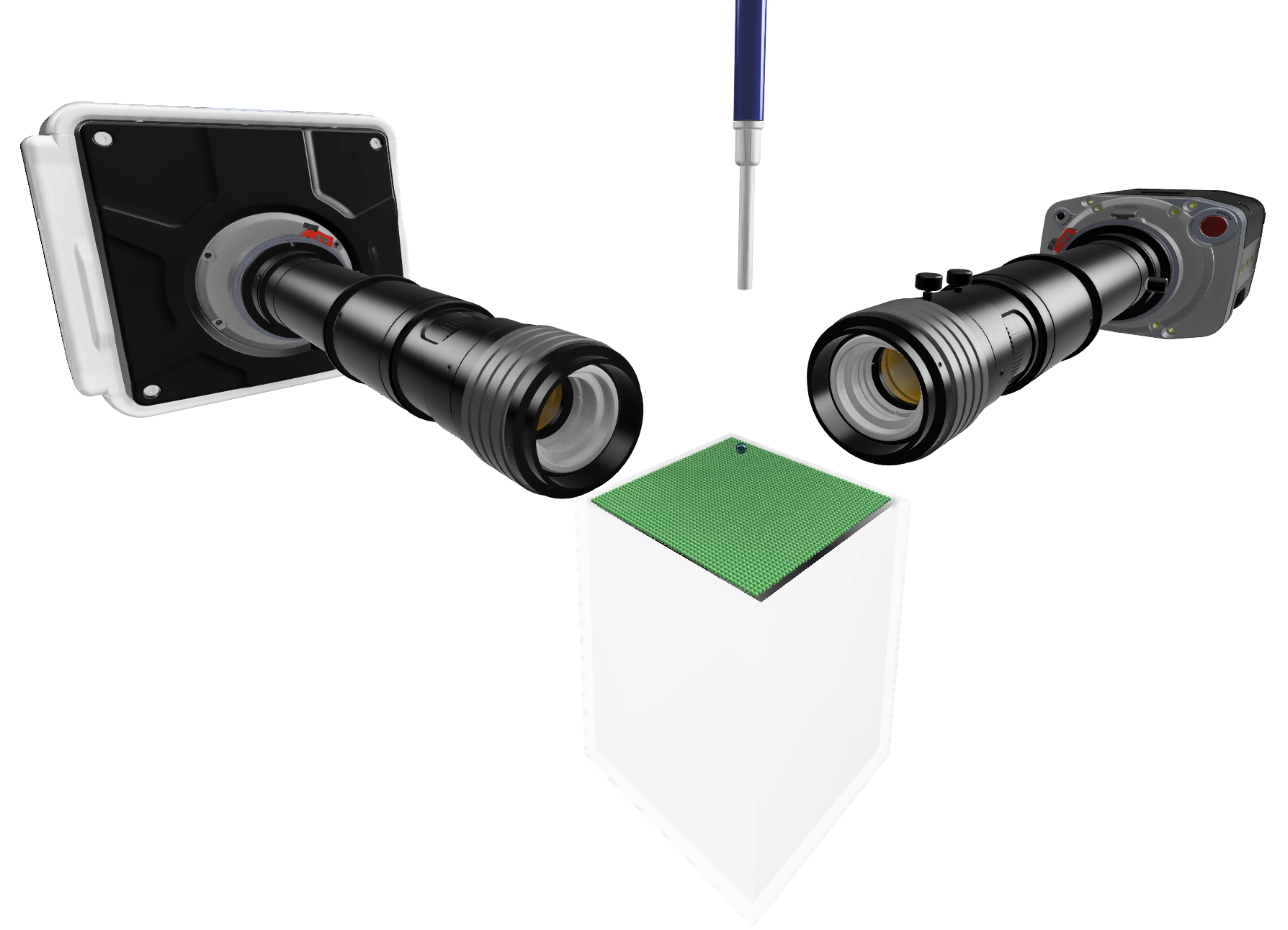
الشمس تُشغّل دورة المياه، ويعيدها المطر إلى الأرض. لكن الآن كل قطرة هي مطرقة صغيرة تضرب السطح. جزيئات البلاستيك العائمة (ميكروبلاستيك، معظمها من الكربون) ترتدّ عند الاصطدام كحبات الفشار في المقلاة. لكن بدلاً من أن تنفجر، تتغلف بطبقة رقيقة من الماء وتتحول إلى كرات عديمة الوزن تقريباً. تحملها الرياح وتنقلها آلاف الكيلومترات — من بِرَك المدن إلى أنهار الجليد الجبلية. أكثر الجزيئات ارتدادًا هي تلك التي تكره الماء بشدة: تطير عدة سنتيمترات ويمكن أن تطفو في الهواء.
لقد استنتج العلماء قاعدة بسيطة: مقدار البلاستيك الذي يصل إلى الغلاف الجوي يعتمد على قوة ضربة القطرة و"رهاب الماء" للجزيئات. هذا يساعد على التنبؤ بما نتنفسه بعد هطول الأمطار. نفس الآلية تعمل عندما تسقط القطرات على الرمل — بهذه الطريقة يغسل المطر الشواطئ وينقل التربة.
الملخص الأصلي
كما كتبه المؤلفون، بالإنجليزية arXiv:2603.15896
Raindrop impact on the ocean has been proposed as a mechanism for microplastic transfer from seawater to the atmosphere, yet the interfacial dynamics governing particle ejection from floating microplastics remain largely unexplored. We investigate droplet impact onto microparticle monolayers (rafts) spanning a wide range of sizes, contrasting densities, and wettabilities, under raindrop-relevant impact conditions. Particle rafts strongly influence splash dynamics, cavity collapse, and Worthington jet formation. Splash onset is controlled by particle-induced roughness and capillary adhesion: deeply immersed particles stabilise the spreading lamella, producing only microdroplets, whereas weakly immersed particles destabilise the rim, promoting fingering and splashing. Following impact, raft characteristics govern wave-swell dynamics, separating into elastic and rigid regimes. Superhydrophobic rafts enable particle ejection upon impact and form particle-armoured Worthington jets that fragment into liquid marbles, providing an efficient aerosolisation pathway. In contrast, less hydrophobic rafts show limited detachment upon impact but still support Worthington jet-mediated transport. Despite these differences, splash thresholds and Worthington jet heights collapse under a simple geometric-inertial-capillary scaling. These results show how particulate monolayers modify canonical droplet-impact and identify the interfacial conditions under which rainfall transfers microplastics from ocean to atmosphere, and inform related droplet-granular processes such as soil erosion, and impacts on sandy substrates.
جزيئات البلاستيك التي تكره الماء بشدة يمكنها القفز إلى ارتفاع بضعة سنتيمترات وتطفو في الهواء مثل بالونات هوائية مصغرة.