أثر نجمي في هالة درب التبانة سريع
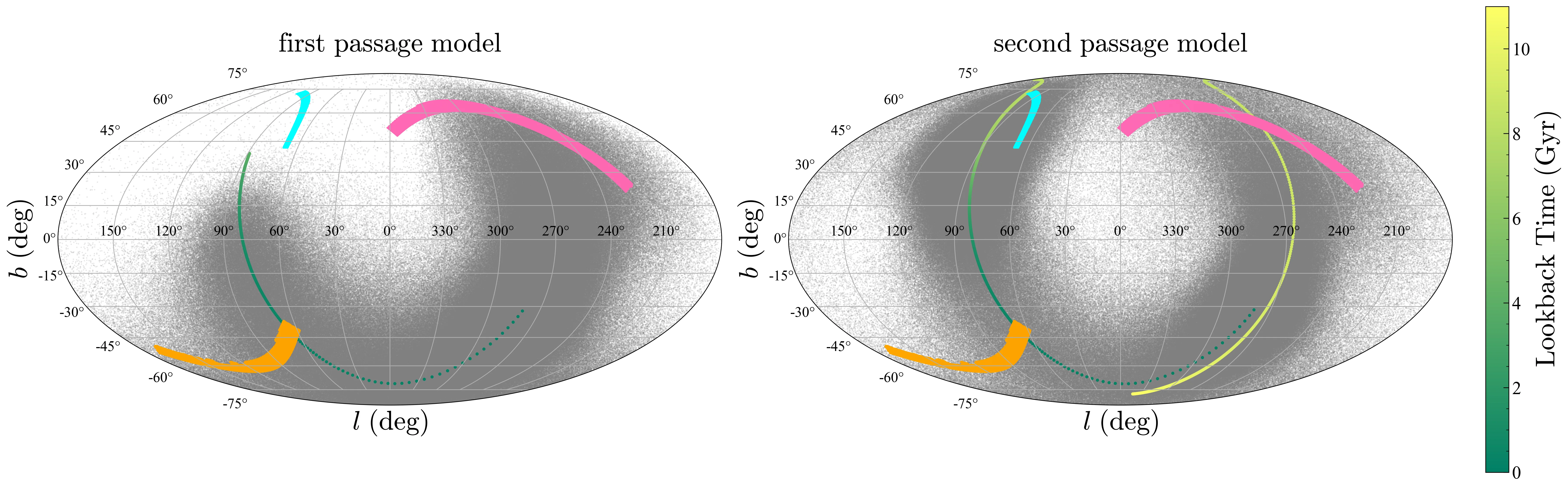
على أطراف مجرتنا، بعيدًا خلف القرص النجمي المألوف، رصد تلسكوب سوبارو شيئًا غير متوقع: سحابة نجمية منتشرة تمتد عبر السماء على مساحة مئة درجة مربعة. الأمر أشبه بالعثور في الفناء الخلفي على أثر لضيف مرّ من هنا — لكن الضيف كان سحابة ماجلان الكبرى، المجرة القزمة التابعة لدرب التبانة.
النجوم في هذه السحابة خافتة جدًا بحيث لا يمكن رؤيتها بالعين المجردة، لكنها كثيرة ومجمّعة معًا ليس بالمصادفة. قارن العلماء مواقعها بنماذج حاسوبية لكيفية قيام جاذبية سحابة ماجلان الكبرى بـ"سحب" النجوم من مجرتنا، مثلما يسحب المدّ الماء من الخليج. وتبيّن أن البقعة المرصودة تتطابق مع المكان الذي يجب أن يوجد فيه مثل هذا "الذيل المدّي"، إذا كانت السحابة قد دارت حول درب التبانة مرة واحدة قبل حوالي سبعة إلى ثمانية مليارات سنة.
حاليًا، هذا مجرد افتراض مبني على مواقع النجوم في السماء. لتأكيده، نحتاج إلى بيانات عن سرعات هذه النجوم وتركيبها الكيميائي. عندها يمكننا أن نقول بدقة من أين أتت وكم من الوقت سافرت. هذه التيارات النجمية تشبه خيوطًا مضيئة يمكن من خلالها قراءة تاريخ التفاعلات الجاذبية في مجرتنا.
الملخص الأصلي
كما كتبه المؤلفون، بالإنجليزية arXiv:2604.10281
We report the discovery of diffuse stellar substructure in the Milky Way's outer halo toward Bo\"otes, unveiled by deep imaging data of the Subaru/Hyper Suprime-Cam. This substructure is detected as an excess of faint main-sequence stars, at heliocentric distances beyond 30 kpc, extending over at least 100 $$\mathrm{deg^2}$$. To infer its origin, we compare the projected spatial distribution of these stars to that of simulated tidal debris from the Large Magellanic Cloud (LMC), under the assumptions that the LMC is on either its first or second passage of the Milky Way. We found that the observed overdensity lies in a region of the halo where debris from the LMC is expected if it is on its initial pericentric phase 7-8 Gyr ago, which is predicted in the second-passage model, while the first-passage model is unable to explain the observed substructure. Chemo-kinematical data are required to further constrain its past orbit and to understand the origin of this new halo substructure, as should be obtained in the near future with deep photometric surveys such as UNIONS and LSST, and wide-field spectroscopy such as possible with PFS and DESI.
يمكن رؤية سحابة ماجلان الكبرى بالعين المجردة في نصف الكرة الجنوبي، وهي تقترب ببطء من درب التبانة — وبعد عدة مليارات من السنين قد تندمجان.