كيف تتعلم الأفكار من بعضها البعض سريع
العقل البشري يشبه مجموعة بناء تُكمل نفسها بنفسها. الأفكار الجديدة لا تموت مع الإنسان؛ بل تنتقل وتختلط وتُنتقى. هذه العملية تسمى التطور الثقافي: الاختراعات المفيدة تترسخ، بينما تُنسى غير المفيدة. هكذا تعمل السقاطة (ratchet) — آلية تدور إلى الأمام فقط.
ولكن ما الذي يحدث بالضبط في الدماغ عندما تحل فكرة محل أخرى؟ افترض مؤلفو الدراسة أن الأمر يتعلق بضبط الروابط بين الخلايا العصبية — تمامًا كما تتعلم الشبكات العصبية الاصطناعية. لقد أنشأوا مجموعة من الوكلاء الافتراضيين مع شبكات عصبية بسيطة بداخلهم. كل وكيل يستقبل مزيجًا من «الأسباب الأولية» الخفية — كما لو كان يسمع عدة أصوات في وقت واحد — ويحاول فصلها عن طريق ضبط أوزان الروابط.
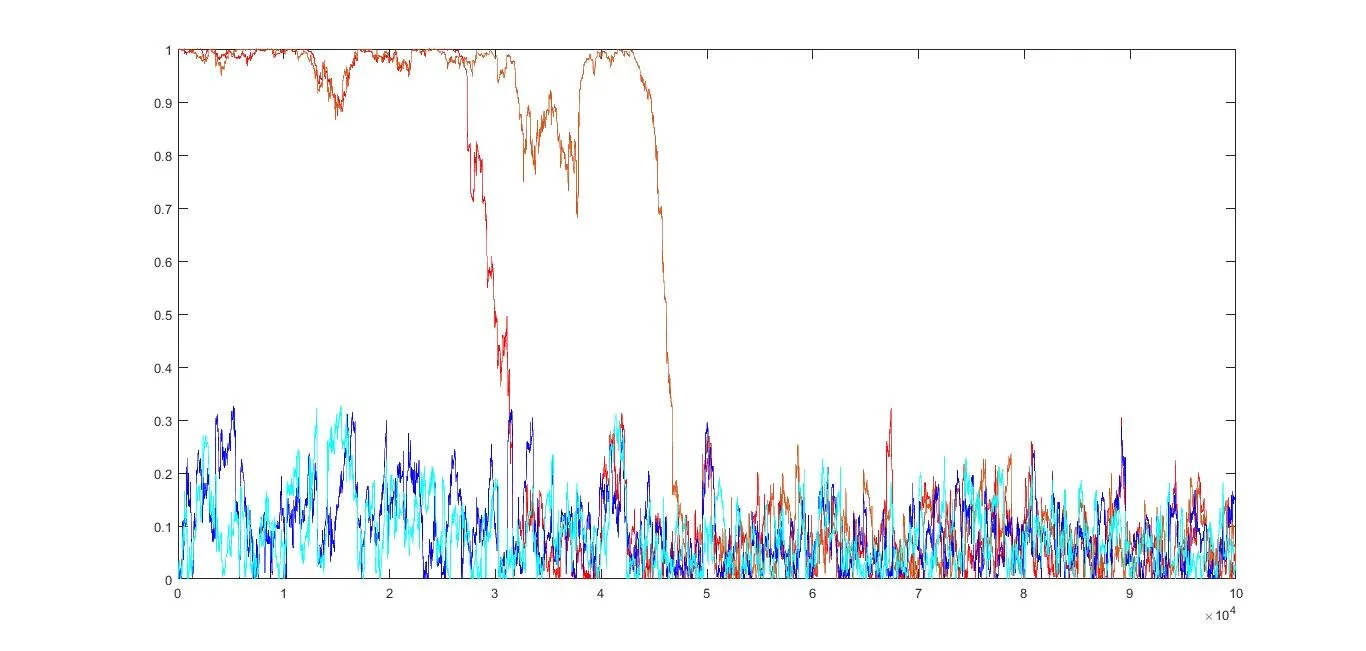
ثم سُمح للوكلاء بالتواصل. ولكن ليس بشكل عشوائي، بل بشكل انتقائي: نقل أفضل التخمينات فقط حول الأسباب الخفية. سُمي هذا الوضع «النور». منفردين، فشل العديد من الوكلاء في حل المهمة، لكن في مجموعة مع هذا التبادل بدأوا في إيجاد حلول أكثر دقة. تحسين واحد يتبعه آخر — هكذا دارت السقاطة.
النموذج بسيط عمدًا. لا يحتوي على لغة ولا تفكير مجرد — فقط خلايا عصبية وإشارات. لكن هذا الشفافية بالتحديد تسمح برؤية الآلية التي كانت في الظل سابقًا: كيف تتحول التخمينات الخام إلى معرفة مشتركة.
الملخص الأصلي
كما كتبه المؤلفون، بالإنجليزية arXiv:2607.24886
It has been proposed (Richerson and Boyd, 2008) that human intelligence is underpinned by a ratchet-like process called Cultural Evolution in which ideas, originated by individuals, can selectively spread by social learning and replace older, less fruitful ones. Useful ideas can thus accumulate beyond the lifetime of individuals. Although both social and individual learning are thought to be achieved by the selective activity-dependent adjustment of synaptic strengths in an artificial neural net-like manner, there have been relatively few attempts to incorporate neural networks into Cultural Evolution models. This has led to controversy and uncertainty about how cultural traits are created, transformed, transmitted and selected. We have constructed a transparent model of Cultural Evolution based on simple neural networks, and here we show that a population of communicating agents can learn progressively better descriptions of its environment. Specifically we generate input vectors by linearly combining hidden "causes", which agents can learn from in a nonlinear, Hebbian, manner, thus discovering synaptic weights that "unmix" the data to reveal the hidden causes. We previously showed that if agents can communicate their current estimates of hidden causes to other agents, in a selective manner we call "Light", the interacting population can learn unmixing weights under conditions where most noninteracting individuals cannot. Here we show that with "Light" a population can learn progressively better solutions, in a ratchet-like manner. Although our model is highly simplified, this simplicity allows insight into cultural evolution mechanisms that have hitherto been obscure, and provides a stepping stone to more complex, but still relatively transparent, analyses.
قاعدة هب المستخدمة في النموذج غالبًا ما تُصاغ كالتالي: «الخلايا العصبية التي تنشط معًا، تتصل معًا». اقترحها عالم النفس دونالد هب في عام 1949، قبل وقت طويل من ظهور الحواسيب القوية.