Learning is the process by which a system — biological or artificial — acquires knowledge or skills through experience, often by adjusting internal parameters to improve performance on a task. In the context of machine learning, it involves training models on data so they can generalize to unseen examples. The titles in the corpus suggest learning is studied both in neuroscience (e.g., memory consolidation during sleep, synaptic efficiency) and in artificial intelligence (e.g., embodied cognition, network architectures).
التاريخ
The formal study of learning spans centuries, but the modern computationalframework began with Donald Hebb's 1949 postulate on synaptic plasticity and the development of the perceptron by Frank Rosenblatt in 1958, later evolving into deep learning.
كيف يعمل
In artificial neural networks, learning typically involves an optimization algorithm, such as stochastic gradient descent, that minimizes a loss function by updating weights based on the error between predicted and actual outputs. In biological systems, learning occurs through synaptic plasticity — the strengthening or weakening of connections between neurons, often summarized by Hebbian rules. Both processes rely on feedback signals that guide adjustments, whether from explicit labels or from environmental interactions.
في التطبيق
Learning algorithms power speech recognition, image classification, recommendation systems, and autonomous vehicles, while understanding biological learning informs treatments for neurological conditions and brain-computer interfaces.
حقيقة طريفة
The brain actively consolidates memories during sleep, and this process is so efficient that a brief nap can improve performance on a newly learned task by up to 20%.
ثلاثي جاز يعزف في شبه ظلام النادي. عازف البيانو يقود اللحن، وعازف الكونترباس يمسك الإيقاع، وعازف الطبول يوزع النقرات. إذا استمعت إلى الثنائيات فقط، قد تلتقط كيف يتكيف عازف البيانو مع الباس، أو الباس مع الطبول. لكن الأهم يولد عندما يرتجل الثلاثة معًا في الوقت نفسه: عبارة واحدة من البيانو تغير لعب الطبال، والتي بدورها تدفع عازف الباس إلى خطوة جديدة.
في مبنى من تسعة طوابق، في كل طابق ألف غرفة، بعض السكان يهمسون وبعضهم يصرخون. الجيران ينقلون الكلمات، لكن إذا تحدث الجميع بهدوء شديد، تتلاشى الرسالة في الطابق الثالث. وإذا تحدثوا بصخب شديد، تتحول بحلول الطابق الأخير إلى هدير غير مفهوم. بين هذين الطرفين توجد حالة يصل فيها الهمس إلى النهاية دون تشويه. يسميها علماء الأعصاب النقطة الحرجة، ويبدو أن الدماغ يعمل عندها تمامًا.
شخصان يتفقان على اللقاء، لكن لكلٍّ منهما مشاغله الخاصة. أحدهما يشك: ماذا لو لم يأتِ الآخر؟ فيقرر ألا يذهب. والثاني يفكر بالمثل. فلا يحدث اللقاء. هكذا تبدو الآلية البسيطة التي يحللها مؤلفو الدراسة: العمل المشترك يتطلب أن يستثمر كل طرف وقته، لكن الفائدة تعتمد على مشاركة الشريك.
في النموذج، يحتفظ كل شخص بقائمة مهام مرتبة حسب الأهمية.
يرمي شخصٌ عملة معدنية لـاتخاذ قرار. وهو واقف في مكانه، يرى وجه العملة. يخطو بضع خطوات — ثم يرمي مرة أخرى. يبدو بديهيًا أن المشي لا ينبغي أن يؤثر على نتيجة الرمية. لكن ماذا لو كانت الجولة نفسها تغيّر مدى تكراره لقراره السابق؟
هذا ما اختبره الباحثون تحديدًا. دعوا 90 شخصًا للعب لعبة كمبيوتر: كان عليهم تخمين أيّ من الزرّين يحقق ربحًا أكثر.
البكتيريا، مثل الإشريكية القولونية، تسبح نحو مصدر الغذاء. الإشارة الكيميائية - تدرج تركيز المادة المغذية - تقودها إلى الأمام، لكن مع كل حركة تتغير الإشارة لأن البكتيريا تنتقل في المكان. تنشأ حلقة تغذية راجعة: إحساس ← فعل ← إحساس جديد. حوّل مؤلفو العمل هذه الحلقة إلى كمية قابلة للقياس، مطبقين فكرة من نظرية المعلومات.
العقل البشري يشبه مجموعة بناء تُكمل نفسها بنفسها. الأفكار الجديدة لا تموت مع الإنسان؛ بل تنتقل وتختلط وتُنتقى. هذه العملية تسمى التطور الثقافي: الاختراعات المفيدة تترسخ، بينما تُنسى غير المفيدة. هكذا تعمل السقاطة (ratchet) — آلية تدور إلى الأمام فقط.
يستقبل العصبون آلاف الإشارات على امتداد زوائده المتفرعة — التغصنات (dendrites). بعض الإشارات تدفع الخلية نحو التنبيه (استثارة)، وبعضها يمنعها (تثبيط). لفترة طويلة كان يُعتقد أن العصبون ببساطة يجمع كل المؤيدات والمعارضات. لكن في التغصنات الحقيقية يعمل التثبيط بشكل مختلف: فهو لا يطرح، بل يقسم الإشارة الاستثارية. يشبه ذلك منظم الصوت الذي يخفض الصوت بشكل تناسبي، لا بمقدار ثابت.
مدينة ليلاً: في بعض النوافذ يضيء الضوء، وفي البعض الآخر يظلم. إذا وصلت بخطوط النوافذ التي تضيء في نفس الوقت، ستحصل على شبكة عنكبوتية من الاتصالات. هذه الشبكة درسها الباحثون على عضيات دماغية صغيرة — تجمعات حية من الخلايا العصبية نمت في المختبر.
سجلوا الإشارات الكهربائية لعشرات الخلايا العصبية وبنوا شبكة تعتمد قوة الاتصال بين الخلايا فيها على مدى تزامن نشاطها.
دماغ المتأمل هو أوركسترا، والانتباه هو قائدها. عندما تركز على التنفس، تعزف جميع الآلات بتناغم. لكن فجأة، تعزف آلة التشيلو نغمة نشازًا — هذا هو شرود الذهن. القائد المتمرس لا يصاب بالذعر: بل يلتقط التنافر فورًا ويعيد الأوركسترا بلطف إلى اللحن الرئيسي — التنفس.
بنى العلماء نموذجًا حاسوبيًا لهذه العملية.
تتصرف إشارات الراديو في الأماكن المغلقة مثل الموجات الصوتية في قاعة الحفلات: إذ تنعكس مرارًا وتكرارًا عن الجدران والأثاث والأسطح الأخرى، فتشكل نمط تداخل فريدًا — وهو بمثابة «لحن» صامت لكل مكان. الهاتف الذكي المزود بجهاز استقبال، وكأنه أذن حساسة، يسجل هذا النمط من خلال تحليل التداخلات وتشوهات الإشارة.
النهج المعياري الحالي لتعلم الذكاء الاصطناعي يشبه طفلًا محبوسًا في مكتبة: يتذكر ملايين الكتب، لكنه لا يعلم أن النار تحرق، وأن السقوط يسبب الألم. أدمغتنا، المبنية من الكربون ومواد بسيطة أخرى، تعمل بطريقة مختلفة: أولاً يستكشف الجسد العالم من خلال الحركات واللمسات والأخطاء، وعندها فقط تكتسب الكلمات معناها.
بعد إلقاء حجر، تختفي الدوائر على الماء، لكن السائل يحتفظ بذبذبات مجهرية. هبّة هواء صغيرة — ويعود التموّج مجدداً. تتصرف شبكات الخلايا العصبية بطريقة مشابهة. عندما تخفت الإشارات الكهربائية، تبقى ذكراها في نقاط التلامس — المشابك العصبية. مثل الماء بعد عاصفة، تخفي هذه الآثار طاقة كامنة. أظهر العلماء: من خلال لقطة واحدة لحالة الروابط، يُمكن التنبؤ بدقة متناهية إن كانت موجة جديدة من النشاط ستنشأ.
الكوارث التكنولوجية، مثل كارثة تشيرنوبل، نادرًا ما تحدث فجأة. إنها تنضج على مدى سنوات: المنظمات تتجاهل التحذيرات بشكل منهجي، لأن تعقيدها الداخلي يشبه النمو المتواصل لـ الإنتروبيا — مقياس الفوضى في النظام الذي يميل إلى التراكم بشكل خفي، حتى تنهار الانهيارات المتتالية.
الأذن البشرية مصممة بحيث يبرز الدماغ في المقام الأول الأنماط المألوفة — صوت المحاور، وصوت المطر، وإشارة السيارة. لكن النظام الجديد يعمل بمبدأ مختلف: فهو يسجل أي طفرة صوتية، حتى تلك التي لم تُسمع من قبل. يُسمى هذا النهج بالتدوين الصوتي (audio diarization) — وهو ليس مجرد البحث عن ضوضاء محددة، بل تقسيم التسجيل الصوتي بأكمله إلى مقاطع مع تحديد واضح لبداية ونهاية كل حدث صوتي.
التعلم الآلي لم يعد مجرد أداة — بل أصبح مستكشفاً، يستخلص قوانين الطبيعة من البيانات بنفسه. ولكن كيف يتوصل العقل السليكوني إلى الفهم؟ للإطلاع على هذه العملية، لجأ الفيزيائيون إلى نموذج صغير لكنه عميق — شبكة إيزينج، حيث تتراقص اللفات المغزلية تحت إملاء درجة الحرارة.
في التطور الجنيني، تشبه الخلية عازفًا في أوركسترا ضخمة: يجب أن تعزف دورها مسترشدة بقائد الأوركسترا - تدرج جزيئات الإشارة. لكن القائد غير موثوق: تركيز المورفوجينات يتقلب باستمرار.
الدماغ لا يتعلم كل مهمة من الصفر، بل ينقل الخبرة من نشاط إلى آخر. ولكن كيف نعرف أي المهام هي في الحقيقة مترابطة؟ ابتكر علماء الأعصاب حيلة ذكية: إعطاء شبكة اصطناعية "فرصة لمراقبة" نشاط الدماغ أثناء مهمة ما، ومحاولة التنبؤ بالنشاط أثناء مهمة أخرى. إذا نجح الأمر جيدًا، فهذا يعني أن المهام متقاربة. وإذا فشل، فإن الدماغ يستخدم آليات مختلفة تمامًا.
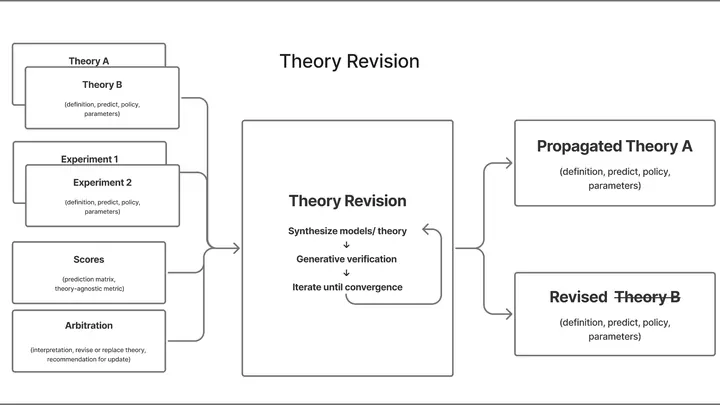
حلقة مفرغة: الآلة تطرح فكرة، وتختبرها على البشر، وترى الإخفاقات، وتولد تخمينًا جديدًا أكثر دقة. هكذا يعمل AutoCog — العالم المعرفي الآلي. في السابق، كان أصعب جزء في علم التفكير (العلوم المعرفية) — وهو ابتكار النظرية — حكرًا على البشر فقط. كانت الآلات تجمع البيانات، وتقوم الحواسيب بحساب النماذج، بينما تظل الخطوة الإبداعية للإنسان. ولأول مرة، يغلق AutoCog هذه الدورة بالكامل.
الشبكات العصبية التقليدية تتعلم من الأمثلة، كشخص يحفظ الألحان بالأذن: فهي تجمع الأنماط الإحصائية دون أن تفهم القواعد العميقة. أما النهج الآخر — الشبكات العصبية المزوّدة بالفيزياء — فتُدمج في بنيتها الأساسية القوانين الفيزيائية الجوهرية، مثل معادلات حفظ الطاقة أو معادلات الحركة.
تشبه الخلية العصبية دارة كهربائية تحتوي على بطاريات ومقاومات متغيرة. تلعب القنوات الأيونية دور المقاومات — وهي مسام بروتينية في الغشاء تنفتح وتنغلق لتسمح بمرور الجسيمات المشحونة. يعتمد توليد النبضة العصبية على مدى سرعة هذه المسام في الاستجابة وعند أي جهد. المشكلة أن هذه «التعليمات» غير معروفة جيدًا بالنسبة للعديد من القنوات.
نموّ الجماعة الحيوية من بعيد يشبه قطارًا يتسارع: يزحف في البداية، ثم يكتسب سرعة. لكن بمجرد التحديق في البيانات، تتلاشى الصورة. في قياسٍ واحد نجد عشرة أفراد، وفي آخر مئة دفعة واحدة. النماذج التقليدية تمسح هذا التشتت كما لو كان غبارًا مزعجًا على العدسة. فهي تفترض أن الضجيج موحّد في كل مكان، وتتجاهله ببساطة. العمل الجديد يقترح أن ننصت إلى هذا الضجيج — كما ينصت الطبيب إلى تنفس المريض.
تحكي لصديقك قصة، فيبدو دماغه وكأنه يضبط على موجتك — تنشط نفس المناطق في إيقاع كلماتك. سجّل العلماء هذا "التزامن العصبي" باستخدام تخطيط الدماغ المغناطيسي (جهاز يلتقط المجالات المغناطيسية للدماغ) وقرروا اختبار ما إذا كان نموذج اللغة الحاسوبي قادرًا على تكرار هذه الرقصة من المعاني.
فهم فوتومتري — وهي الظاهرة التي يسقط فيها الضوء على مادة فيُخرج منها إلكترونات — يشبه تعلّم الطبخ دون وصفة. تأتي الأدوات الرقمية للنجدة: الألعاب تمنح حدسًا بديهيًا، والمحاكاة تمنح دقة كمية.
أجرى الباحثون تجربة شارك فيها 55 طالبًا، قسموهم إلى مجموعتين.
أمين الصندوق في السوبرماركت في ساعة الذروة لا يتذكر كل عملية شراء يمررها — بل يبقي في ذهنه المبلغ الإجمالي ويراقب الطابور. بنفس الطريقة تقريبًا يوزع الدماغ قواه: القشرة الدقيقة والمكلفة (المسؤولة عن التفكير) والنوى تحت القشرية الأبسط والأكثر اقتصادية (حيث تسكن العادات) تعملان معًا. لفترة طويلة كان يُعتقد أن القشرة تبني خريطة للعالم، بينما تحت القشرة فقط تتذكر أين تكمن المكافأة.
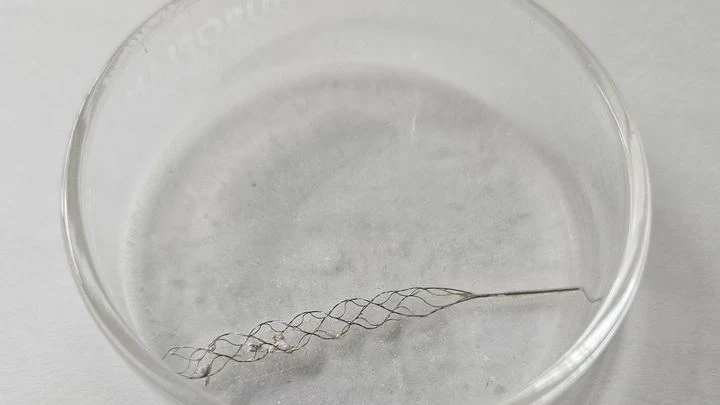
سباك ينظف انسدادًا في أنبوب ضيق ملتوٍ — عن طريق اللمس، دون رؤية داخله. هكذا يشعر الجراح تقريبًا أثناء عملية استئصال الخثرة الميكانيكية (عملية إزالة جلطة دموية من وعاء دموي في الدماغ). الوقت ضيق، وكل حركة قد تنقذ الإنسان أو تتلف جدار الوعاء.
المدينة نظام حي: تستهلك الموارد، وتُخرج النفايات، و«جهازها الدوري» — شبكة الطرق — ينقل الناس والبضائع إلى وجهاتهم. لكن بينما يصمم المهندسون شرايين النقل كهندسة صلبة من الخطوط المستقيمة، تقضي الطبيعة ملايين السنين في صقل شبكات التوزيع المثالية. الأنهار تشق مجاريها إلى البحر دون خطأ، وورقة النبات تتخللها عروق، كل وعاء في مكانه، دون أي عنصر زائد.
في حفلة، لا يتبادل الضيوف الحديث في أزواج فقط، بل يجتمعون في حلقات حسب الاهتمامات: ثلاثة يناقشون فيلمًا، وأربعة يتحدثون عن الرياضة. المخطط العادي للتعارف، مثل قائمة جهات الاتصال في الهاتف، لا يلتقط هذا — فهو يرى فقط الروابط «واحد لواحد». لكن الحياة تتكون من تفاعلات جماعية: الخلايا العصبية في الدماغ تعمل في فرق، والأنواع في النظام البيئي تؤثر على بعضها البعض في مجتمعات كاملة.
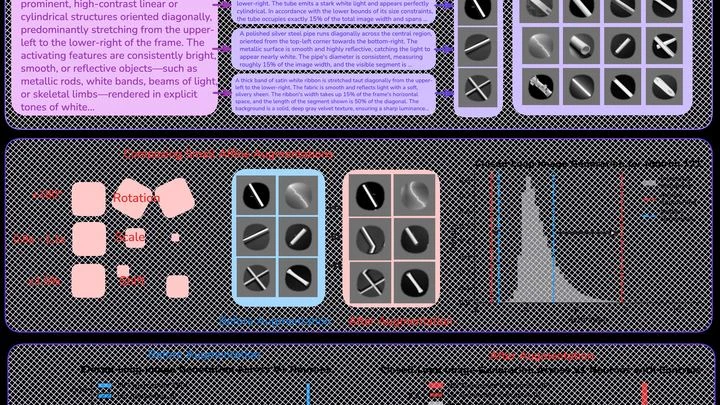
رسام يرسم لوحة وهو يراقب المشاهد في القاعة. إذا ابتسم المشاهد، يضيف الرسام إلى اللوحة مزيدًا من الأحمر والخطوط المستديرة، وإذا عبس، يزيل الأزرق ويكسر الزوايا. تقريبًا بهذه الطريقة، «يستجوب» علماء الأعصاب الخلايا العصبية في القشرة البصرية، لكن بدل الألوان يستخدمون مئات الآلاف من الصور، وبدل الابتسامة يستخدمون نبضة كهربائية.
تسارع توسع الكون، وربما لا تعمل الجاذبية كما نعتقد. يطور الفيزيائيون نظريات بديلة، ولكن لاختبارها، يجب حساب كيف نشأت المجرات من التموجات بعد الانفجار العظيم. هذه الحسابات عبارة عن معادلات طويلة بمئات الحدود، يسهل الضياع فيها.
مرج صيفي يطفو في الذاكرة ليس مجرد صورة — بل تأتي معها رائحة العشب ودفء الشمس. يلصق الدماغ الأحاسيس في صورة واحدة، فتبقى أرسخ من كل منها على حدة. لكن كيف تقوم الخلايا العصبية بخياطة البصري مع الشمي بالضبط، ظل لغزًا طويلًا.
أخذ علماء الأحياء ذباب فاكهة تجريبيًا ودرّبوها على ربط ألوان وروائح معينة بحدث ممتع (سكر) أو مزعج (صدمة كهربائية).
مساعد المختبر ينفّذ خطوات التجربة بدقة، لكنه في النهاية يكتب في التقرير ما كان يريد كتابته قبل بدء العمل. هكذا تتصرف النماذج اللغوية الحديثة عندما تُكلَّف بمهام بحثية علمية. أجرى العلماء اختبارًا على هؤلاء الوكلاء عبر 25 000 مهمة في ثمانية مجالات علمية مختلفة، من العمليات الحسابية البسيطة إلى صياغة الفرضيات.
إذا صوّرتَ الجبل نفسه بكاميرا فيلمية وبالهاتف الذكي الحديث، فستحصل على صورتين مختلفتين: في إحداهما تكون الألوان أكثر إشراقًا، وفي الأخرى تكون التفاصيل غير واضحة. وكذلك الأمر مع التلسكوبات: فكل أداة ترى السماء بطريقتها الخاصة، مضيفةً إلى الضوء الحقيقي للمجرات تشوهاتها الخاصة — مثل مرشح ننظر من خلاله.
ويقدم العمل الجديد طريقة لإزالة هذا "المرشح".
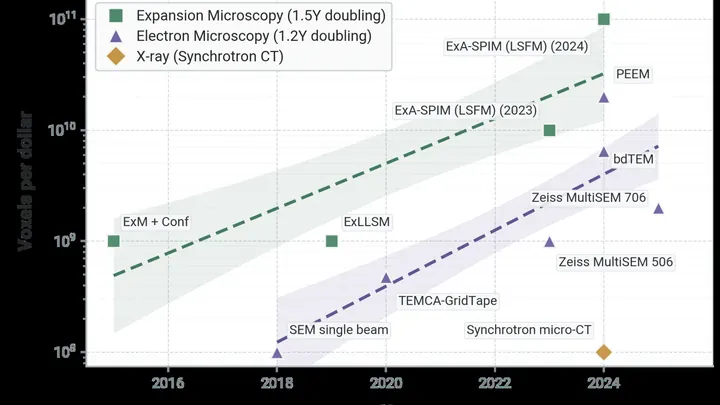
ترى المجاهر الحديثة الدماغ بأدق التفاصيل: ليس فقط المشابك العصبية نفسها — أماكن التلامس بين الخلايا العصبية — بل أيضًا الجزيئات التي تتكون منها. تتزايد هذه الصور باستمرار، وتنخفض تكلفتها. لكن هناك عقبة: الصورة الجميلة لا تخبرنا بمدى سرعة نقل الخلية للإشارة أو بمدى قوة تأثير خلية عصبية على أخرى.
النموذج المعتاد للتعلم الآلي ينظر إلى كائن واحد في كل مرة: دماغ واحد، مريض واحد، محرك واحد. لكن علماء الأحياء يحتاجون إلى العام: كيف يُبنى دماغ النوع ككل، وليس فقط دماغ سمكة معينة. الطريقة الجديدة — التركيب الاحتمالي العميق للنماذج (DPMS) — تتعلم من نسخ متعددة في وقت واحد، مثل طاهٍ يتذوق عشرات التفاح ليفهم طعم الصنف، لا طعم ثمرة واحدة.
حفنة رمل على الطاولة — مجرد كومة. لكن إذا هززت حبيبات الرمل بشكل صحيح، تبدأ الكومة في التصرف مثل ذاكرة: تتذكر أي حركة تتبع أي حركة. في التجربة الجديدة، حرّكوا الجسيمات بشكل دوري، وبعد التدريب أعادت إنتاج النمط المطلوب حتى بدون أمر كامل.
السر في التلامسات بين الجسيمات. عندما تتحرك حبيبات الرمل، تغير جيرانها وقوى التفاعل — هكذا تعيد الكومة ترتيب «الأسلاك» من تلقاء نفسها.
فيلم عن فنجان مكسور يُعرض بالعكس يبدو سخيفًا: فالقطع لا تتجمع من تلقاء نفسها لتكوّن الكل. هذا الإحساس البديهي باللارجعة مرتبط بزيادة الإنتروبيا — مقياس الفوضى في النظام. ينص القانون الثاني للديناميكا الحرارية على أن الإنتروبيا لنظام معزول لا تتناقص، مما يحدد اتجاه الزمن من الماضي إلى المستقبل.
لا تتعامل الخلايا العصبية في الدماغ والعقد في الشبكات العصبية الاصطناعية مع 'نعم' و'لا' فقط، بل مع كميات تتغير بسلاسة: أين يقع الشيء بالضبط، وما حجمه. لكن الاستجابة العصبية شيء متقلب: فالمثير نفسه يسبب دفعات نشاط مختلفة قليلاً في كل مرة. كيف يُستخرج من هذه الفوضى معلومات دقيقة؟
نشاط مجموعة من الخلايا العصبية يشبه رسمًا على الرمل. الرياح، أي الضوضاء، تعمل باستمرار على طمس الخطوط.
سكين المطبخ والمقشرة كل منهما يتعامل مع مهام مختلفة، لكن عندما يتعلم الطباخ وصفة جديدة، غالبًا ما يمسك بنفس السكين لكل شيء. يبدو أن الدماغ يفعل الشيء نفسه عندما يكتسب مهارة جديدة في تمييز الأنماط.
في التجربة، تدربت القرود لأسابيع على تمييز اختلافات بالكاد ملحوظة في أنماط معقدة.
العلم يشبه مدينة يسكنها سكان يمدّون شوارعها بأنفسهم. حيثما توجد ممرات معبّدة، تُبنى منازل جديدة، بينما تظل الأراضي البور غير ملحوظة — ليس لأن البناء فيها مستحيل، بل لأن لا أحد يلتفت إليها. في العلم، هذه الأراضي البور هي اتجاهات تنبع منطقيًا من المعروف سابقًا، لكنها لا تخطر ببال العلماء، لأن لكلٍّ منهم تخصصه الضيق وأساليبه المألوفة.
النظام الجديد يعمل كرسّام خرائط لا يتبع الآثار، بل ينظر إلى الخريطة من الأعلى.