Which Stars Can Give Birth to Life? The Answer's in the Color ⚡ экспресс
Original: "Abiogenesis on Different Star Types; a Dissipative Photochemical Perspective"
The first 'building blocks' of life were like sunscreen: they absorbed ultraviolet and turned it into heat, sparking the growth of complexity.
Links in the knowledge graph 1
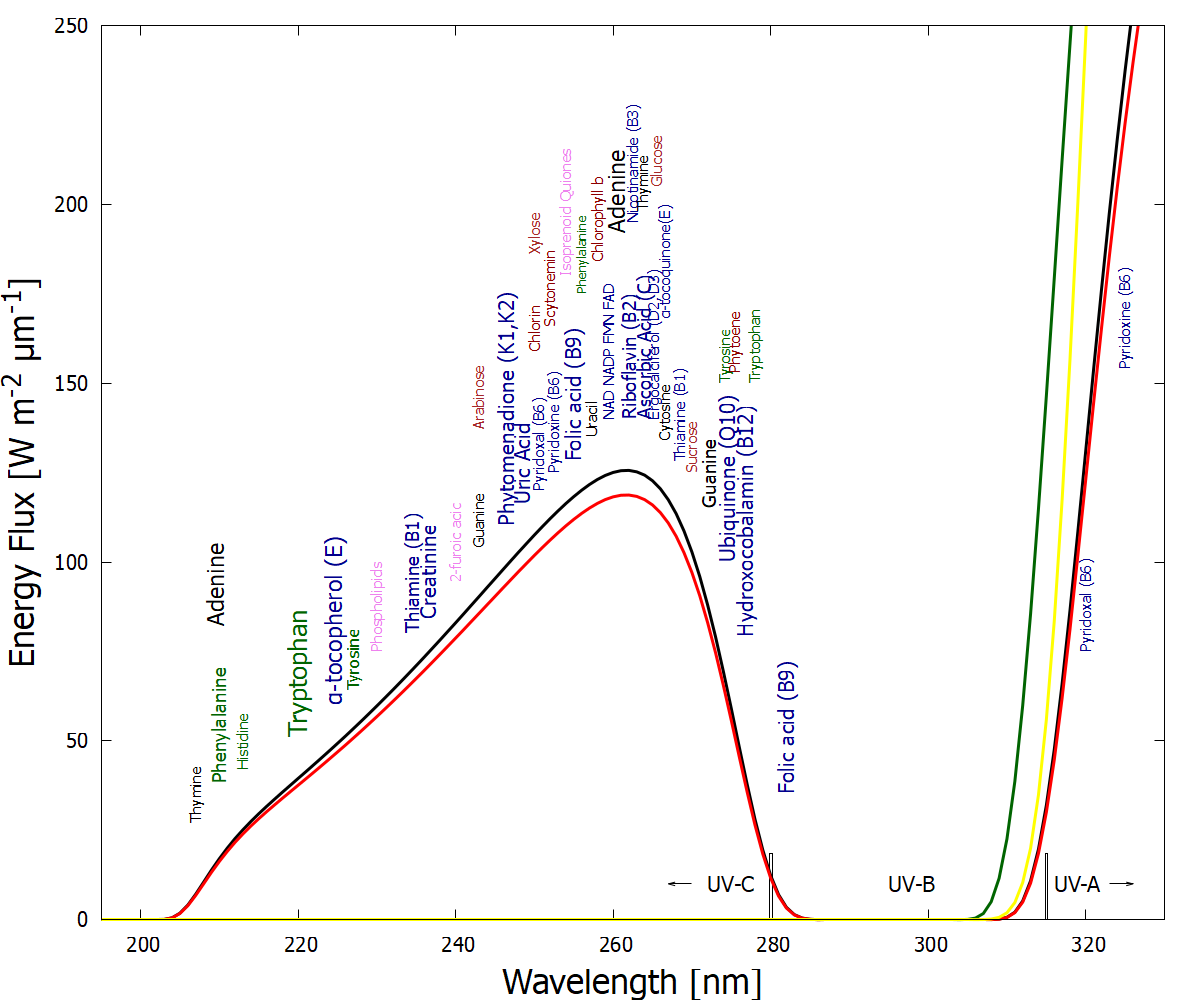
For life to emerge, a planet needs the 'goldilocks' ultraviolet: soft builds molecules, hard breaks them. Spectral analysis shows that only G-stars like our Sun can foster intelligence. Red dwarfs, alas, are barren—they lack that creative light. This reshapes the map for seeking cosmic kindred.
🎯 About 20% of sunlike stars in the Galaxy may host planets with a suitable ultraviolet climate—that’s billions of chances for life.
🎬 Sci-fi writers love to populate planets around red dwarfs (like in Interstellar), but the new model shows: their light isn’t enough to ‘knead the molecular dough’ of life.
R = \frac{\Phi_{\text{soft}}}{\Phi_{\text{hard}}}
R — the star's suitability index for prebiotic chemistry; \Phi — the integrated ultraviolet flux in the soft (205-285 nm) and hard (<205 nm) ranges.