Which Stars Can Give Birth to Life? The Answer's in the Color express
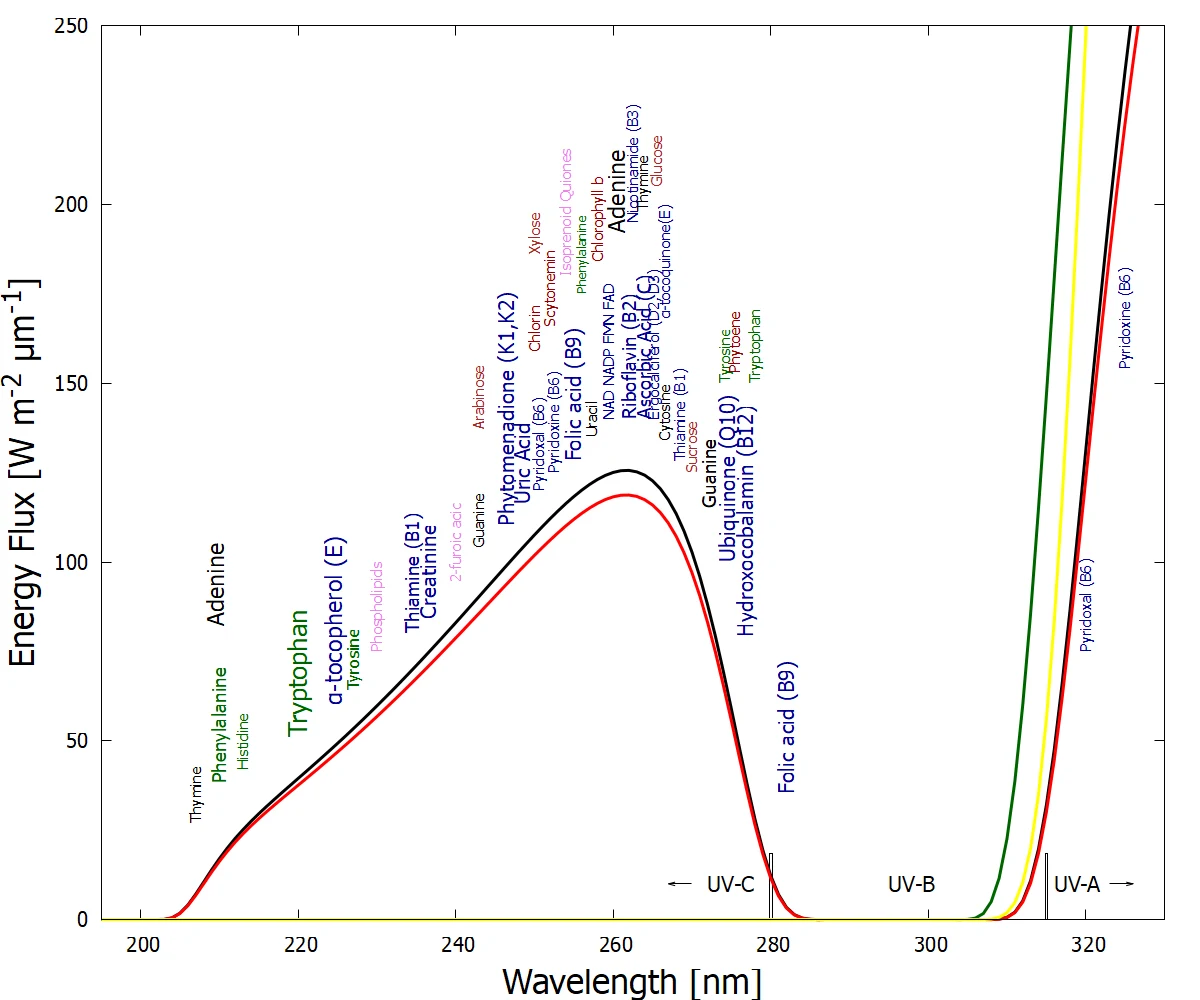
Life began with molecules akin to natural sunscreen — based on carbon, they soaked up the mild ultraviolet of the young Sun and turned it into heat. This way of dissipating energy wasn’t just heating: it made molecules self-organize, like chefs kneading structured dough out of a chaos of ingredients. But ultraviolet is a finicky tool. Soft light gently joined atoms; hard light snapped fledgling bonds.
Astronomers compared the rainbow fingerprints of starlight and found that only F, G, and massive K stars hit the ideal balance. But for intelligence to emerge, only G-type will do: that’s our Sun. Red dwarfs, which are the most abundant in the Galaxy, offer merely a smoldering warmth: their planets are likely barren. Now the search for habitable worlds zeroes in on yellow stars, and a telltale sign could be an ocean's unusual darkening in the ultraviolet.
About 20% of sunlike stars in the Galaxy may host planets with a suitable ultraviolet climate: that’s billions of chances for life.
Sci-fi writers love to populate planets around red dwarfs (like in Interstellar), but the new model shows: their light isn’t enough to ‘knead the molecular dough’ of life.