The Crystal That Remembers express
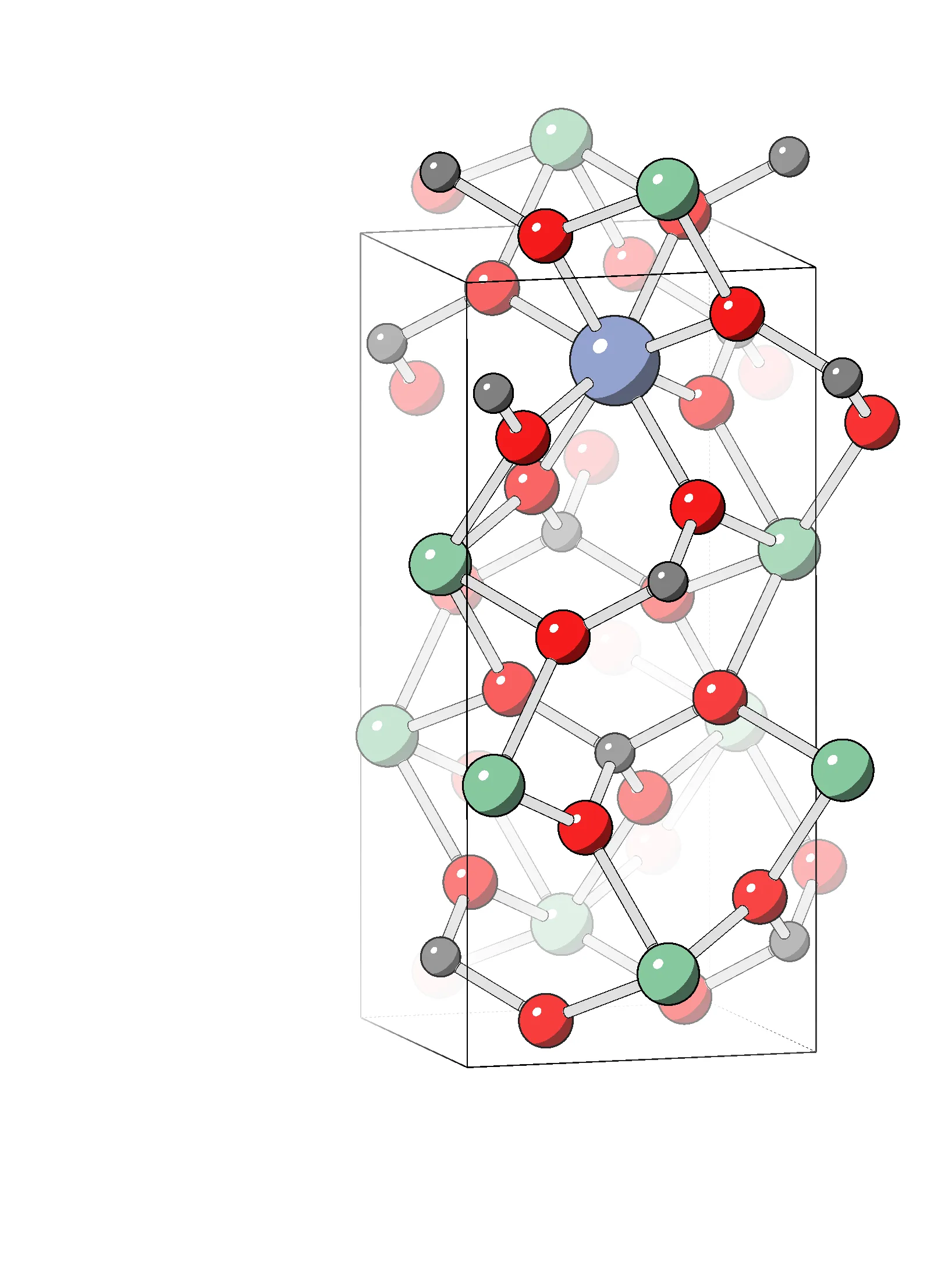
Quantum memory is like a fragile snowflake: one wrong move and it melts. Scientists are hunting for materials where such a "snowflake" can be held without fear of it melting. In the new work, they studied a calcium tungstate crystal doped with erbium, a rare-earth metal. It turned out that erbium inside this crystal has a hidden property that helps hold onto information.
At temperatures below 50 millikelvin (hundreds of times colder than outer space), the scientists measured how erbium atoms respond to a magnetic field. They saw that the atoms have not only magnetic properties but also an electric field within the nucleus that had been overlooked before. It is this field that allows them to find "quiet harbors"—states where the atom barely feels external disturbances. In these states, quantum information can live much longer.
Now calcium tungstate can be considered a promising material for quantum memory. Such memory is a key to quantum computers that could communicate with each other over long distances.
Erbium is named after the Swedish village of Ytterby, where a mineral containing this element was found. The same village yielded three more elements: yttrium, terbium, and ytterbium.