How Motion Teaches a Detector to Distinguish Directions ⚡ экспресс
Original: "Velocity-Controlled Directional Readout of Single Photons"
Uniform motion turns an ordinary light detector into a direction-sensitive device.
Links in the knowledge graph 1
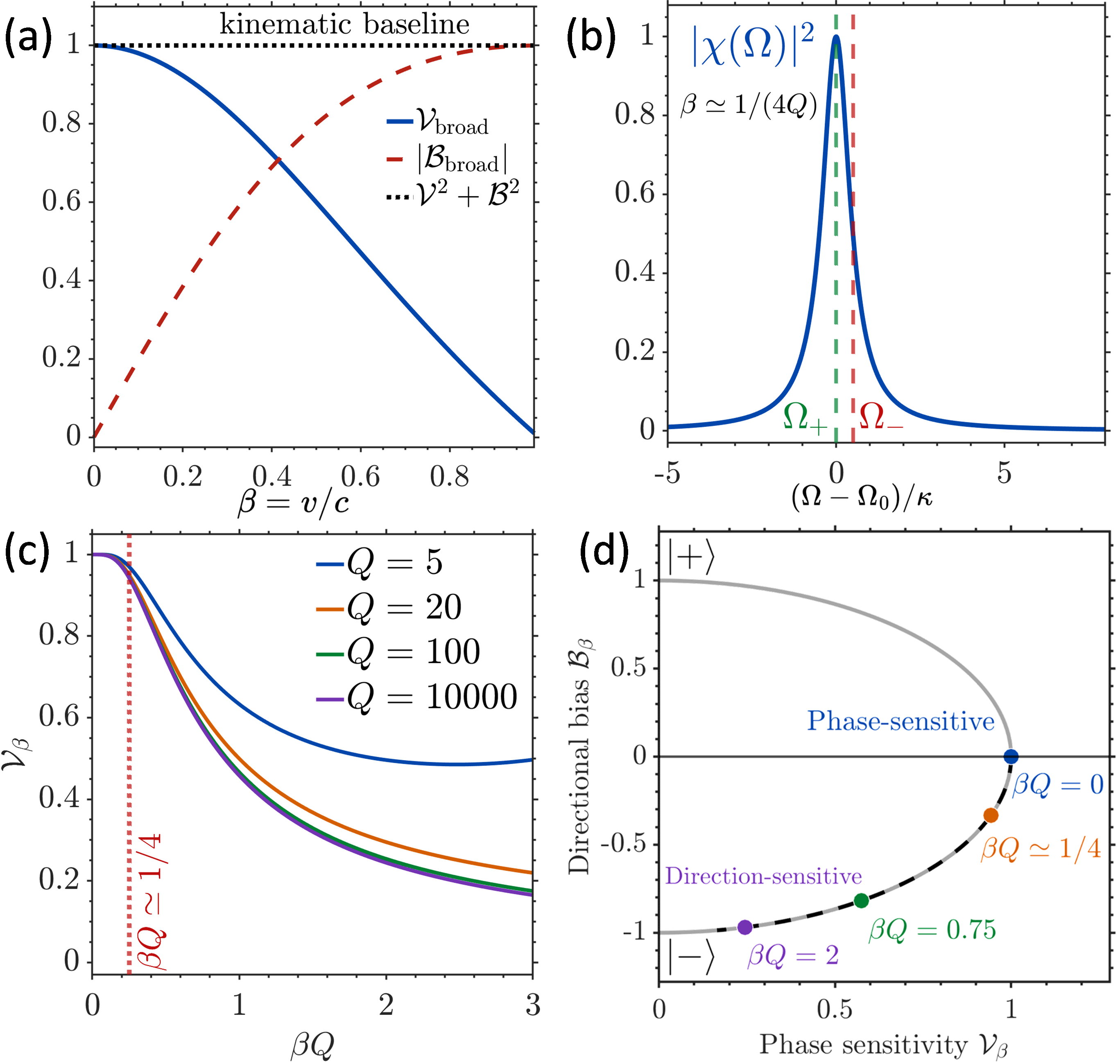
A stationary light detector can't tell if a photon came from the left or right. But if it moves uniformly, it starts to favor one direction. It's all thanks to the Doppler effect and limited color sensitivity. This discovery promises simple direction sensors for space missions.
🎯 Curiously, while the detector gains directionality, the photon stays in superposition — it doesn't 'choose' a path. Motion only increases the probability of registering it from one side, without violating quantum uncertainty.
🎬 In sci-fi, sensors often pick up signals from space — this effect could help tell which side an object is approaching from, without bulky antennas.