Cosmic sieve: Gaia sifts through billions of celestial bodies ⚡ экспресс
Original: "Performance analysis of extragalactic classifications in Gaia Data Release 4"
The Gaia DR4 catalog acts like a giant sieve: using light and motion, it separates stars from galaxies and quasars.
Links in the knowledge graph 1
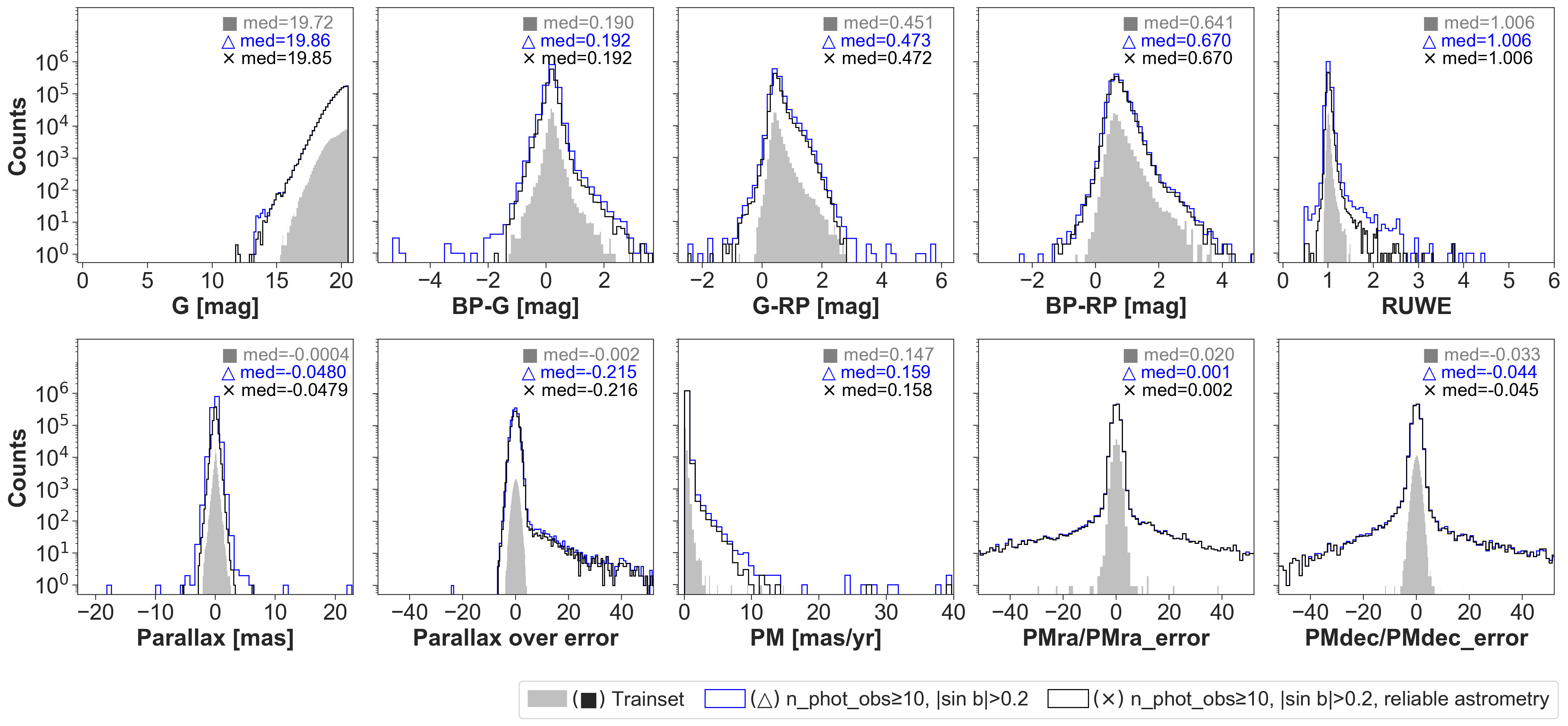
The Gaia telescope sifted the sky like grains in a sieve, separating stars from galaxies. But the farthest bright objects slipped through. By adding infrared vision, scientists learned to catch them too, enriching the collection with millions of new distant galaxies.
🎯 A quasar is the searing hot core of a distant galaxy, where a supermassive black hole devours matter, emitting more light than all the galaxy's stars combined.