Is Dark Energy Changing? A Fresh Look express
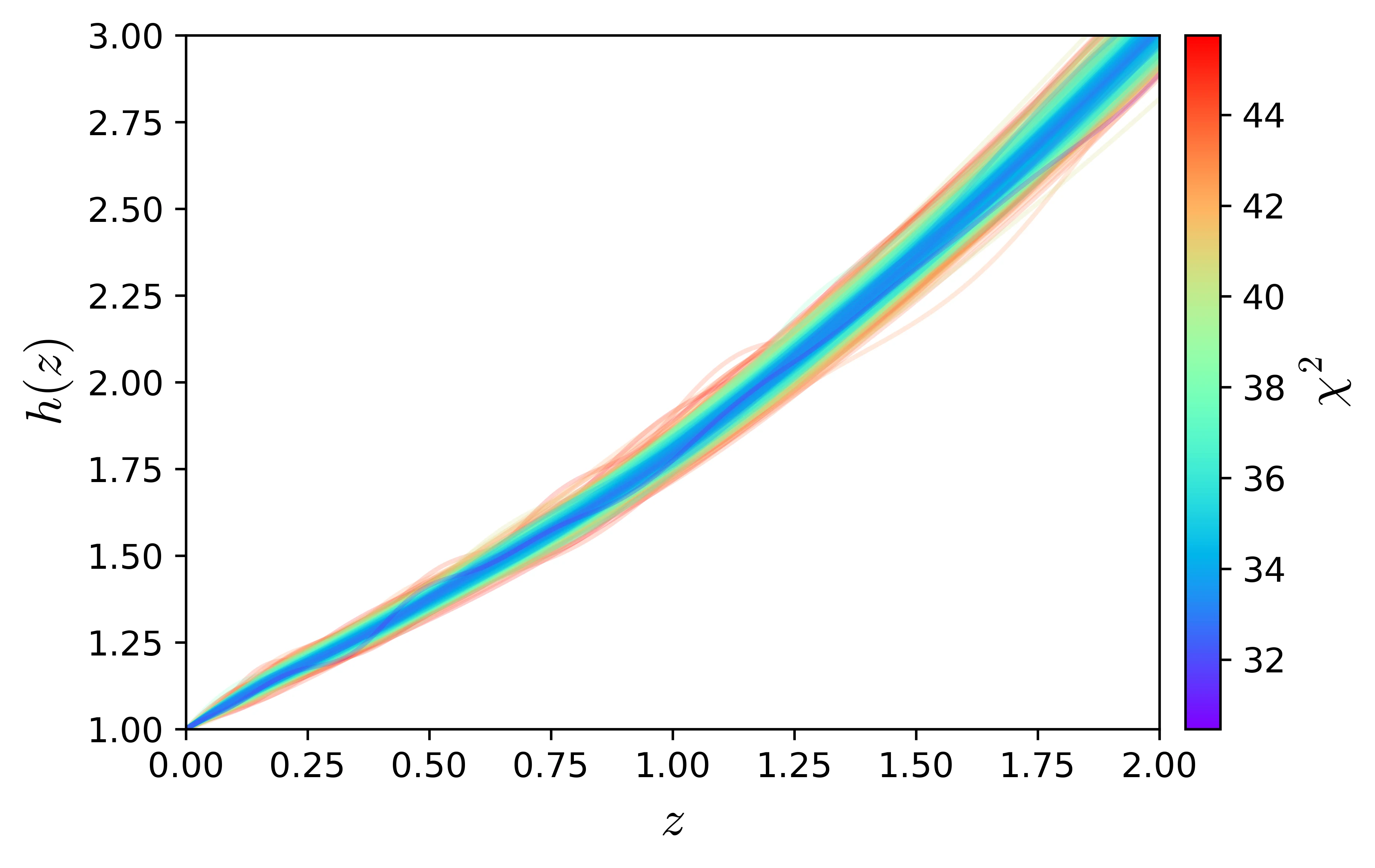
The Universe is expanding faster and faster thanks to mysterious dark energy, discovered in the late 1990s by Adam Riess, Saul Perlmutter, and Brian Schmidt using supernovae. For a long time, scientists thought this force was constant, like a gas pedal floored forever. But a new approach — a direct look at that pedal — says otherwise. Without complex calculations, just by linking the expansion rates of different eras, the method reveals: dark energy is now weaker than expected. Its parameter w₀ (think of it as the pedal pressure) is –0.62, not the –1 predicted by the standard model. This rejects conventional cosmology with 95% confidence. If dark energy continues to fade, the Universe's expansion could not only slow down but reverse into a contraction — meaning the cosmos might be headed not for a cold, lonely death, but a fiery rebirth in a new cosmic cycle.
Although dark energy fills 70% of the cosmos, its nature remains a total mystery: invisible and intangible.
The idea of changing dark energy echoes the science fiction concept of 'quintessence' — a field that can weaken or strengthen, shaping the destiny of the Universe.