Interstellar Wanderer with a Polar Orbit ✦
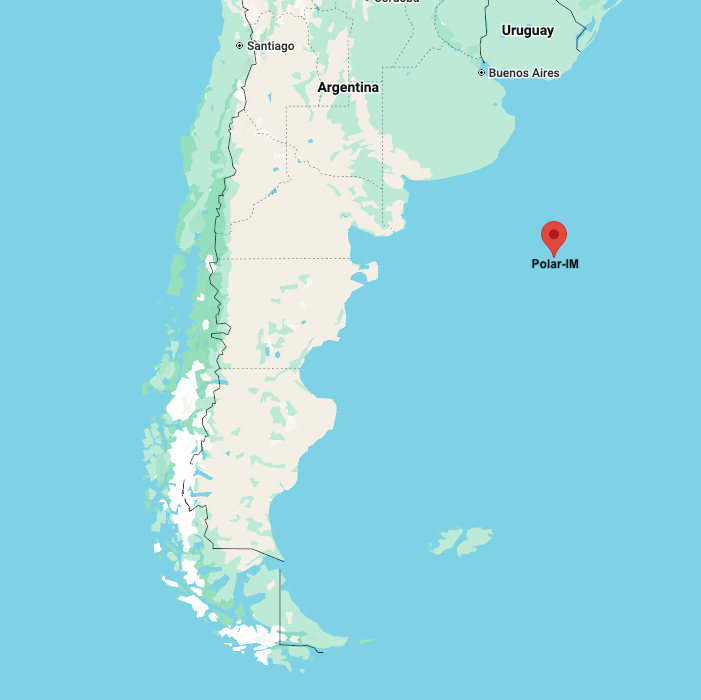
The fireball over the South Atlantic was traveling 9.6 km/s faster than needed to escape the Sun. It's not a rock from our system — it's a message in a bottle from beyond the galactic archipelago. Even just its vertical velocity component (+47 km/s) could have carried it into interstellar darkness. Such guests bring us particles of alien worlds — without starships. We are on the threshold of 'Rendezvous with Rama': the secrets of other systems are revealed through direct contact.
🎯 Even the vertical component of Polar-IM's velocity (+47.09 km/s) is enough to overcome the Sun's gravity — the rock could have escaped into interstellar space even if it were moving strictly perpendicular to the ecliptic.
🎬 The story of Polar-IM is almost the plot of Arthur C. Clarke's 'Rendezvous with Rama': an interstellar wanderer bringing with it mysteries of alien civilizations.