Transparent Fog: Why Ancient Light Didn't Blur ✛
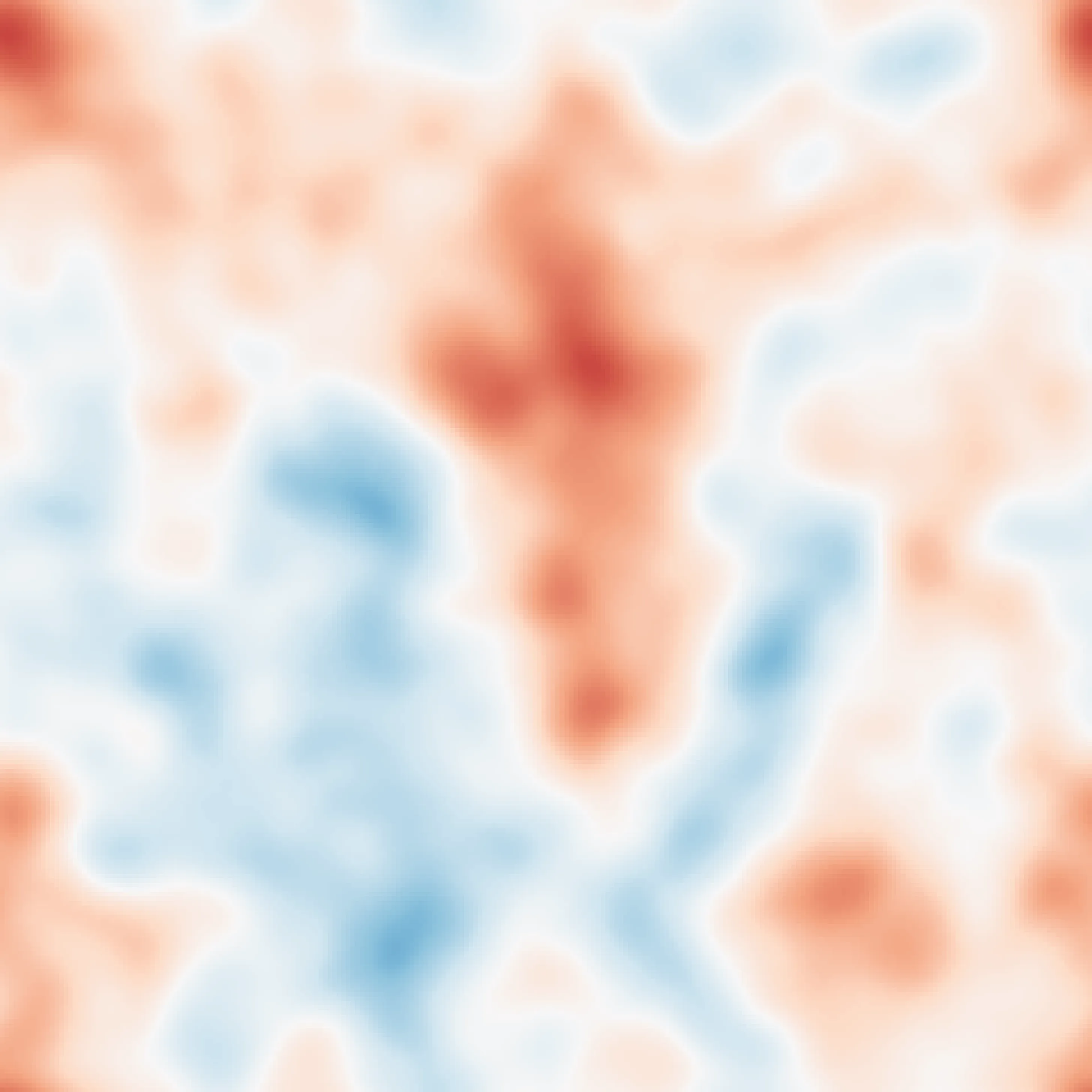
If you look at distant mountains through morning fog, their outlines blur. Similarly, the ancient light of the universe, traveling to us for 13.8 billion years, passes through clouds of free electrons: particles that have broken away from atoms. These electrons slightly scatter the light, so the sky picture should become a bit more blurred.
The ACT telescope in Chile's Atacama Desert checked how strong this blurring is. It observed 23% of the sky with a resolution that can discern details the size of a coin from a distance of several kilometers. The data were split into four parts and compared with each other so that instrument noise wouldn't fool us. It turned out there is no blurring at all. The upper limit is 450 arbitrary units, which is a hundred times weaker than expected. The fog turned out to be too transparent.
Previously, scientists thought the blurring would be detectable when more sensitive telescopes appeared. Now it's clear: it's not just about sensitivity, but also about interference from distant galaxies. They create their own 'noise' that masks the sought-after signal. Future telescopes will use light polarization to get around this problem.
The ACT telescope is located in the Atacama Desert at an altitude of 5190 meters, making it one of the highest observatories in the world. The indigenous Lican Antay communities have observed the sky from these same locations for centuries.