قذائف كونية اصطدمت أمام أعيننا سريع
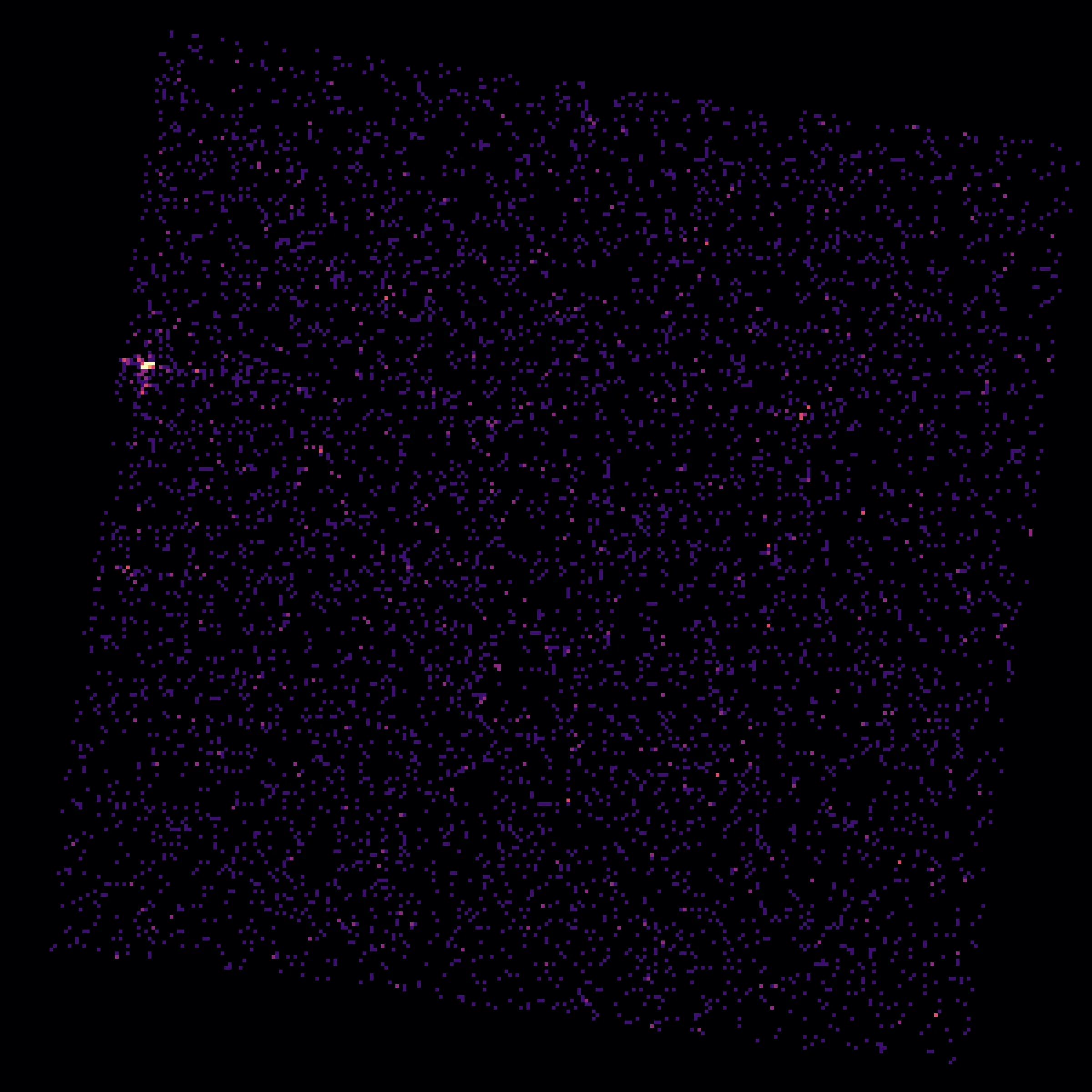
في مجرة بعيدة، على مسافة يقطعها الضوء في 11 مليار سنة، انفجر شيء ما. رصد تلسكوب الأشعة السينية Einstein Probe وميضًا قصيرًا كوخزة إبرة، استمر بضع عشرات من الثواني فقط. لكن الأمر الأكثر إثارة بدأ بعد ذلك: بعد أيام، في الضوء المرئي العادي، زاد سطوع الجسم تدريجيًا مرة أخرى.
هذا يشبه سيارتي سباق انطلقتا من خط واحد لكن بسرعتين مختلفتين. السيارة السريعة تقدمت إلى الأمام، بينما السيارة البطيئة تخلفت خلفها. بعد فترة، خففت السيارة السريعة سرعتها فجأة، فلحقت بها البطيئة، وحدث الاصطدام. في الفضاء، تلعب المادة المقذوفة دور السيارات، وهي تيارات تندفع بسرعة هائلة. لحق التيار السريع بالتيار البطيء، ومن الاصطدام وُلد وميض جديد من الضوء.
لطالما اشتبه العلماء في أن مصادر ومضات الأشعة السينية القصيرة قد تستيقظ مرة أخرى. لكن لم يكن بالإمكان التقاط لحظة الاستيقاظ نفسها. الآن لدينا أول حالة موثقة لاصطدام قذيفتين في مرحلة متأخرة، وهذا يفتح نافذة جديدة لدراسة ما هو مخفي في أعماق هذه «المحركات» الكونية.
الملخص الأصلي
كما كتبه المؤلفون، بالإنجليزية arXiv:2604.14341
Extragalactic Fast X-ray Transients (EFXTs) represent an emerging class of high-energy phenomena characterized by X-ray outbursts lasting from tens to hundreds of seconds. However, for more than half of the EFXTs, their physical origins remain elusive. In this Letter, we report the discovery of EP250302a, a luminous EFXT detected by the Einstein Probe (EP) at a redshift of $$z = 1.131$$. The multi-wavelength light curves of EP250302a reveal remarkable temporal features that distinguish it from the previously known EP-detected EFXT population, most notably a needle-like X-ray flare accompanied by smooth optical rebrightening during the afterglow phase. We suggest that the distinct X-ray and optical behaviors constitute the first observed instance of late-time violent collision of two relativistic shells in an EFXT. Drawing on insights from GRB studies, such a collision process strongly indicates the reactivation of a central engine, making EP250302a-like transients a unique laboratory for probing the late-time activity and jet physics of EFXT central engines.
تلسكوب الأشعة السينية Einstein Probe يرى ومضات تستمر أقل من دقيقة، لكنها تضيء بمعامل مليارات المرات أكثر سطوعًا من الشمس.