Are you one of the authors of this paper? Email us from your institutional or work email address mentioning this article's arXiv ID and we'll verify you and give you edit access to this page.
Euclid is a dark energy hunter, but its nets snagged 164 supernovae and their secrets.
Links in the knowledge graph 1
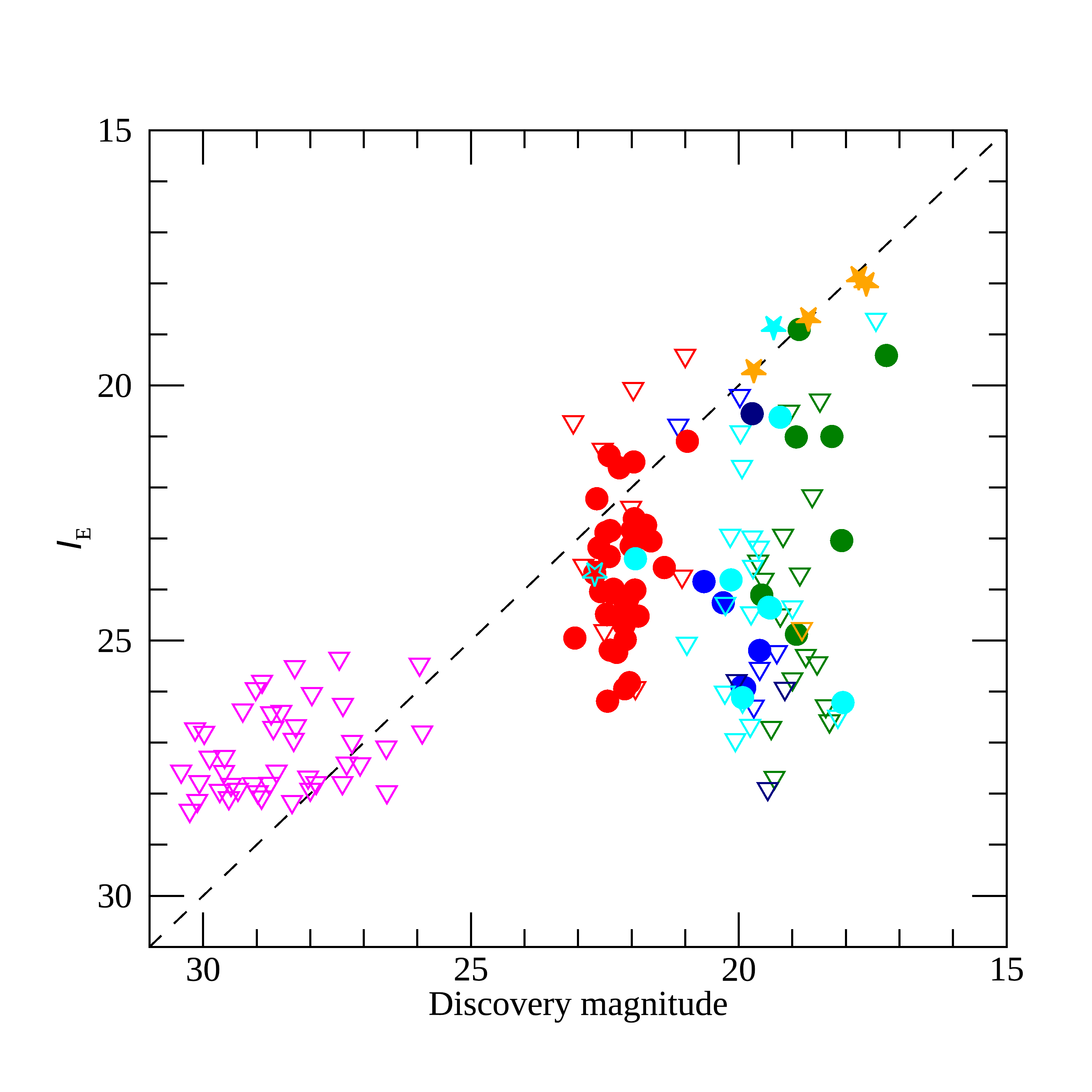
The Euclid telescope, launched to hunt for dark energy, accidentally captured 164 cosmic flashes in its frame. Among them — a supernova imaged 15 days before peak, and another that shone 436 days after the explosion. These chance discoveries help us understand how stars die, and are visible in deep infrared images when everything else has faded.
🎯 Deep images from Euclid reveal galaxies where supernovae exploded, in places where ground-based telescopes saw only emptiness — as if a camera suddenly unveils an invisible house.