Hunting for Light from Black Hole Crumbs ⚡ экспресс
Original: "Unveiling the Quantum Nature of Black Holes: Towards a Proof of Hawking Radiation through Gamma-Ray Observations"
Scientists tried to spot instantaneous flashes from tiny black holes born in giant collisions, but without success so far.
Links in the knowledge graph 1
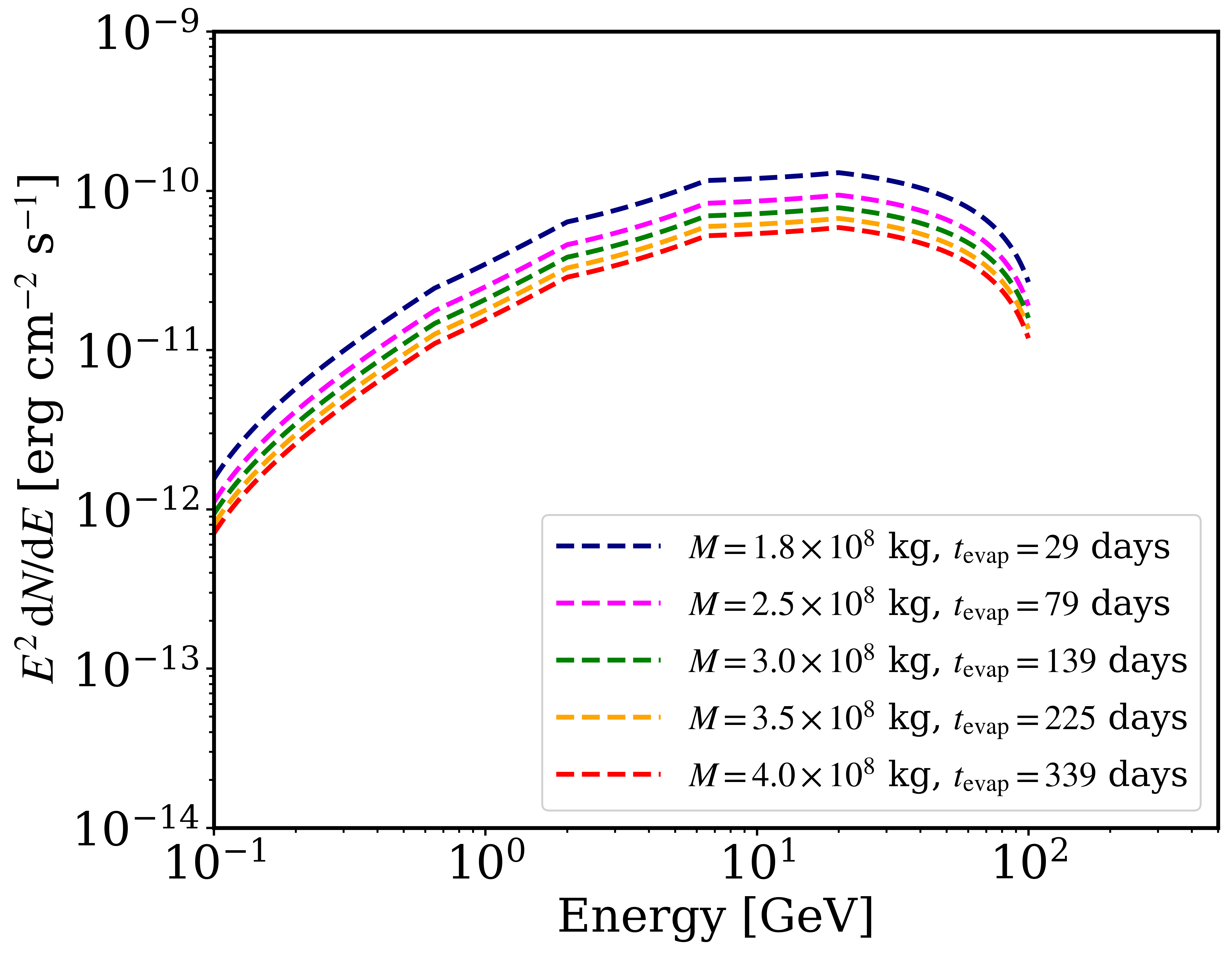
When two massive black holes merge, they can splash out tiny 'crumbs'—asteroid-mass black holes. These little ones evaporate quickly, giving themselves away with gamma-ray flashes. Scientists checked the data from the Fermi telescope after the GW170814 merger—and found not a single flash. This means the crumbs are either much rarer or evaporate less brightly than expected. But sharper instruments are already being prepared.
🎯 Regular black holes are cosmic vacuum cleaners, but black hole crumbs are more like fireflies: they don't suck in, they evaporate, blinking farewell.
🎬 In the TV series 'Stargate', ultra-small black holes were used as weapons or sources of unimaginable energy—alas, in reality we haven't caught them yet.