Hunting for Light from Black Hole Crumbs ✛
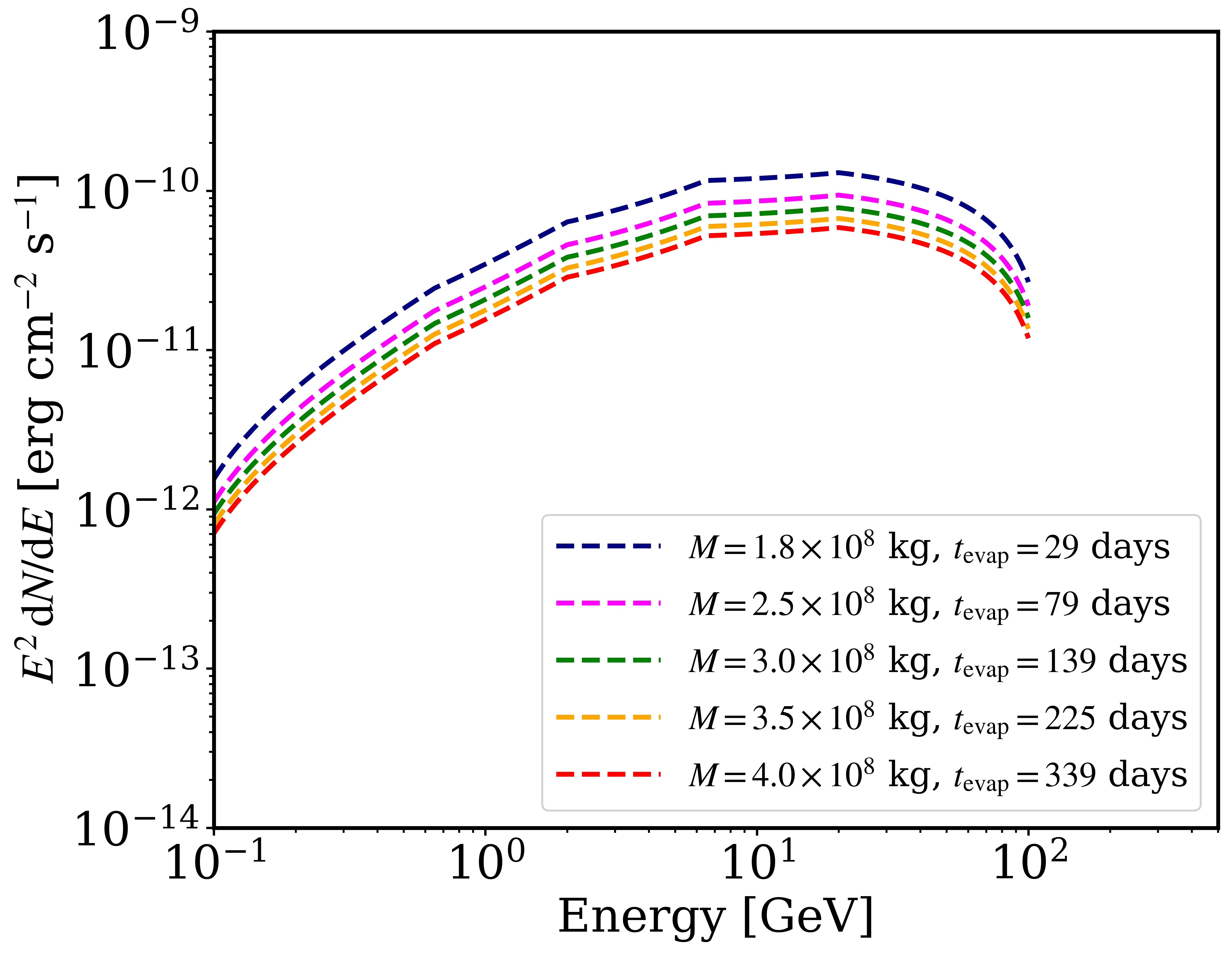
The merger of giant black holes resembles the collision of raindrops: the impact splashes out tiny black hole crumbs with the mass of an asteroid. According to Hawking's theory, all black holes evaporate, losing mass. Regular holes take billions of years to evaporate, but lightweight crumbs need only moments: their death is a flash of gamma rays, invisible to the eye but carrying colossal energy.
Sifting through the Fermi telescope archive after the black hole merger GW170814 (recorded by gravitational wave detectors that sense ripples in space), scientists looked for delayed gamma-ray bursts — the farewell signals of the crumbs. Nothing.
The absence of signals allowed them to rule out a scenario in which crumbs of 400,000 tons are born: that mass, squeezed into a point smaller than an atom, equals the weight of three oil tankers.
More sensitive next-generation telescopes will increase the chances of catching these instantaneous flashes.
Regular black holes are cosmic vacuum cleaners, but black hole crumbs are more like fireflies: they don't suck in, they evaporate, blinking farewell.
In the TV series 'Stargate', ultra-small black holes were used as weapons or sources of unimaginable energy — alas, in reality we haven't caught them yet.