Time crystals without chaos ✎ express
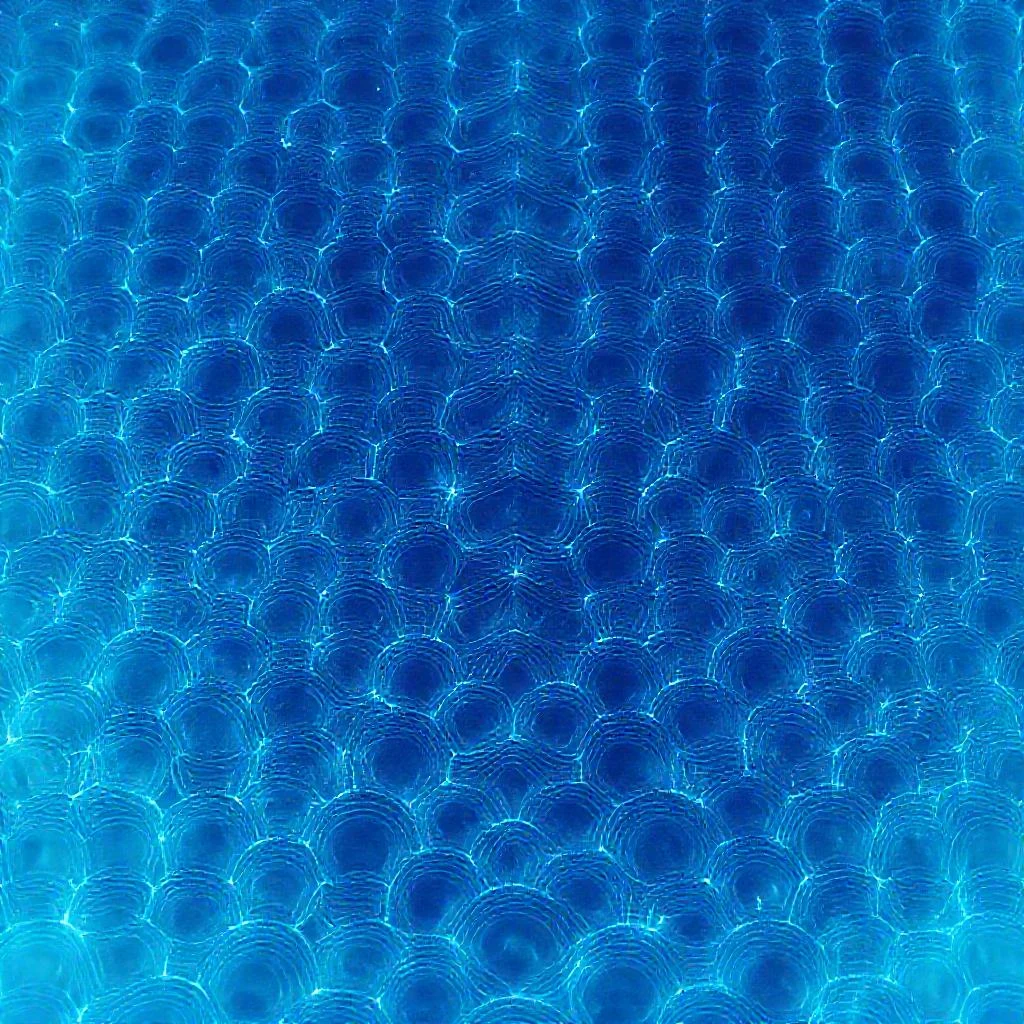
Time crystals pulse in time, like a perpetual metronome that never needs winding. The idea was proposed by Frank Wilczek almost ten years ago. Previously, to keep such a metronome from losing its beat, disorder was deliberately introduced into the system — a paradox, but chaos helped the rhythm. Now a chaos-free path has been found: scientists used Rydberg atoms, named after Johannes Rydberg. In such atoms, the electron is far from the nucleus — if the nucleus is the size of a pea, the electron is a football field away. Using spectroscopy (the control of light and fields) instead of disorder, they created a smoothly increasing electric field along the chain. Like a perfectly smooth track, it keeps the rhythm even with errors. The result: the metronome ticks longer and more stably, regardless of initial conditions. The crystal is easier to produce, and it paves the way to ultra-precise clocks and quantum memory.
Frank Wilczek, who won the Nobel Prize for a different discovery, initially faced skepticism: his idea of time crystals was ridiculed. Today, they are being created in dozens of laboratories.
In science fiction, time crystals are a source of eternal energy or a portal to the past. Now this idea is taking on real shape.