Brain Radiation Therapy: One Click Instead of Manual Setup express
When a tumor affects the entire brain, doctors irradiate the whole organ. It's a reliable method, but setting up the radiation is painstaking: you need to adjust parameters so the tumor gets the right dose while the eyes and lenses suffer as little as possible. A specialist typically spends about 15 minutes manually tweaking settings in the software.
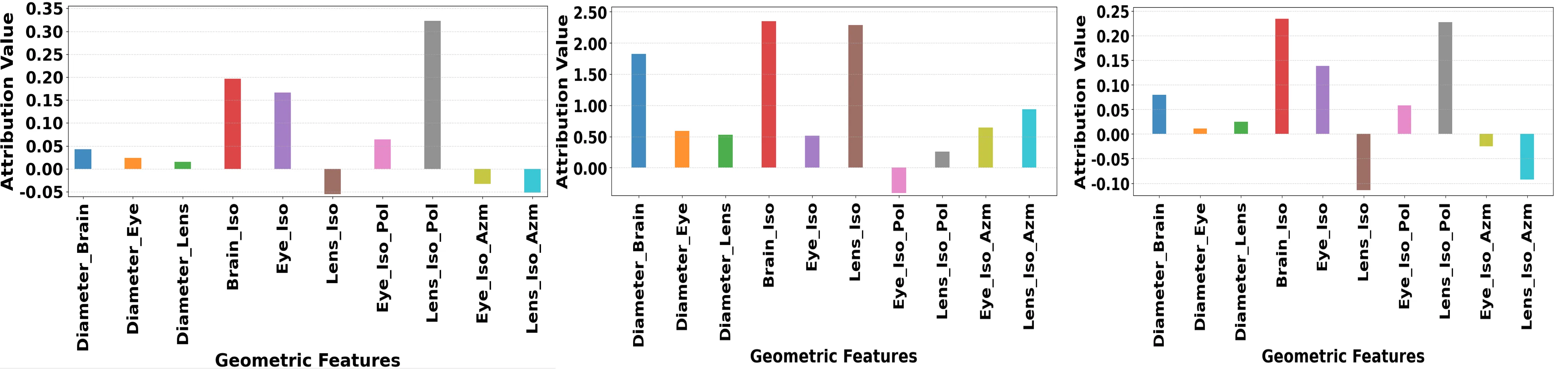
Now, this process has been sped up. The researchers trained a neural network on 55 real cases: it looked at the tumor's shape and the location of sensitive organs, then predicted the optimal settings. The program then generated the radiation plan on its own. If the doctor didn't like something, they could simply say so into a microphone — a voice assistant based on a large language model understood the comment and recalculated the plan. In testing, out of 15 new cases, 14 plans created by the neural network were deemed clinically acceptable. Radiation doses to the eyes and lenses were no different from those in human-made plans. And the whole process took about 7 minutes instead of 15—with just one mouse click.
This approach saves oncologists time and reduces reliance on personal experience. In the future, such systems could assist in hospitals that lack specialized radiation planning experts.
The neural network finds the right settings faster than a kettle boils: less than a minute, whereas a human needs about 15 minutes.