The Laser That Rips Electrons in Half express
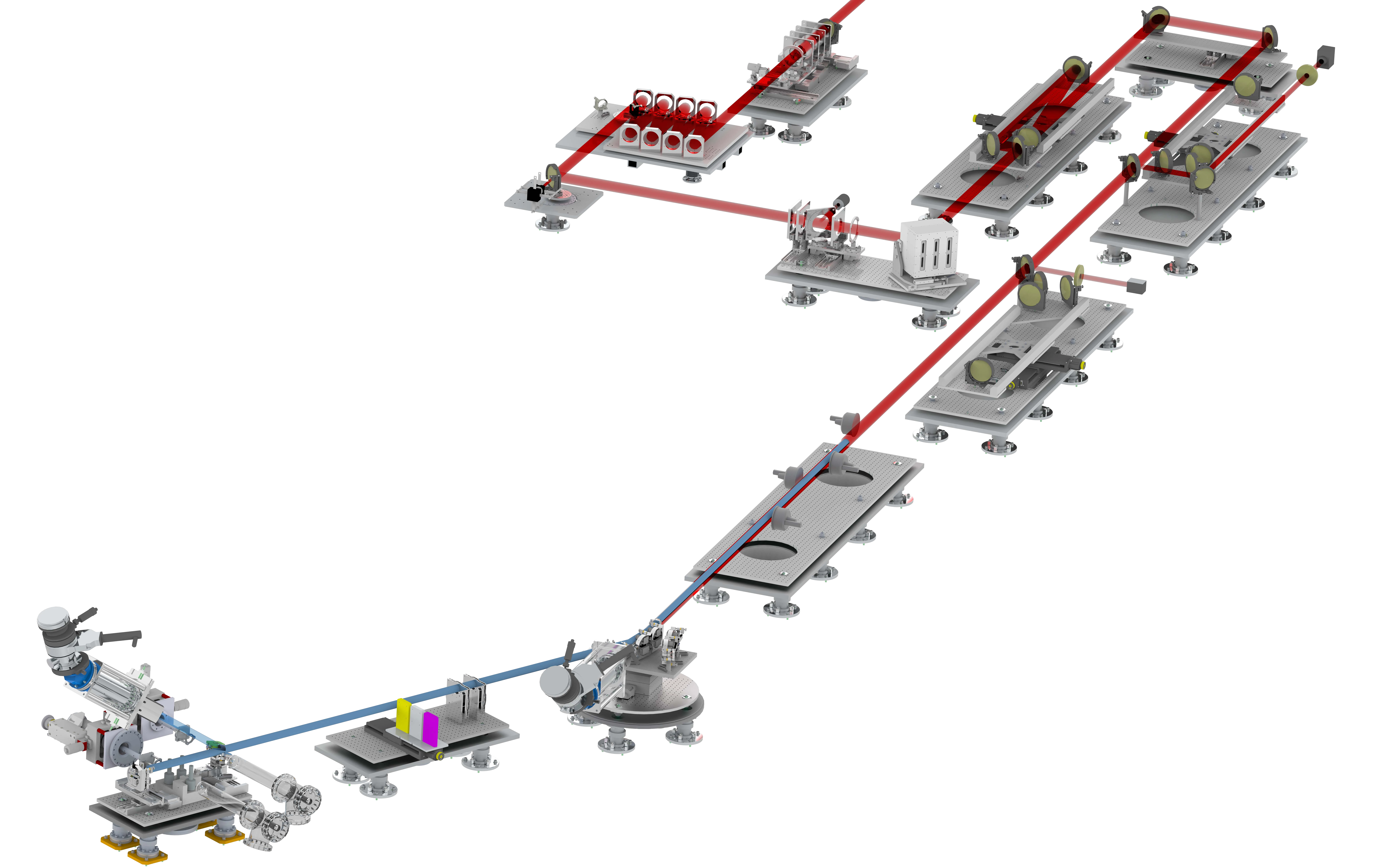
An ordinary camera flash lasts a thousandth of a second. The new setup at the ELI ALPS laboratory in Hungary produces flashes a billion times shorter. Each flash consists of a few hundred oscillations of the light wave, packed into a time interval in which light travels a distance smaller than the thickness of a human hair.
Light this bright can knock out not one but two electrons from atoms. In the experiment, neon and argon, inert gases that usually cling to their electrons, were bombarded. But under the onslaught of the ultrashort flashes, the atoms gave in: two electrons left them simultaneously. It's as if a single hammer blow made a gong produce not one sound but two different tones at once.
The room-sized device does what previously only giant accelerators could do. Now, short and powerful light flashes are no longer limited to a select few laboratories. This opens the door to filming ultrafast processes — for example, how electrons rearrange during a chemical reaction. This 'camera' shoots trillions of frames per second, and in every frame you can see the motion of an electron.
The light flash from the new setup is so short that during its duration, light travels a distance smaller than the thickness of a human hair.