Steel Under the Microscope: How Manganese Atoms Reveal the Metal's Secrets express
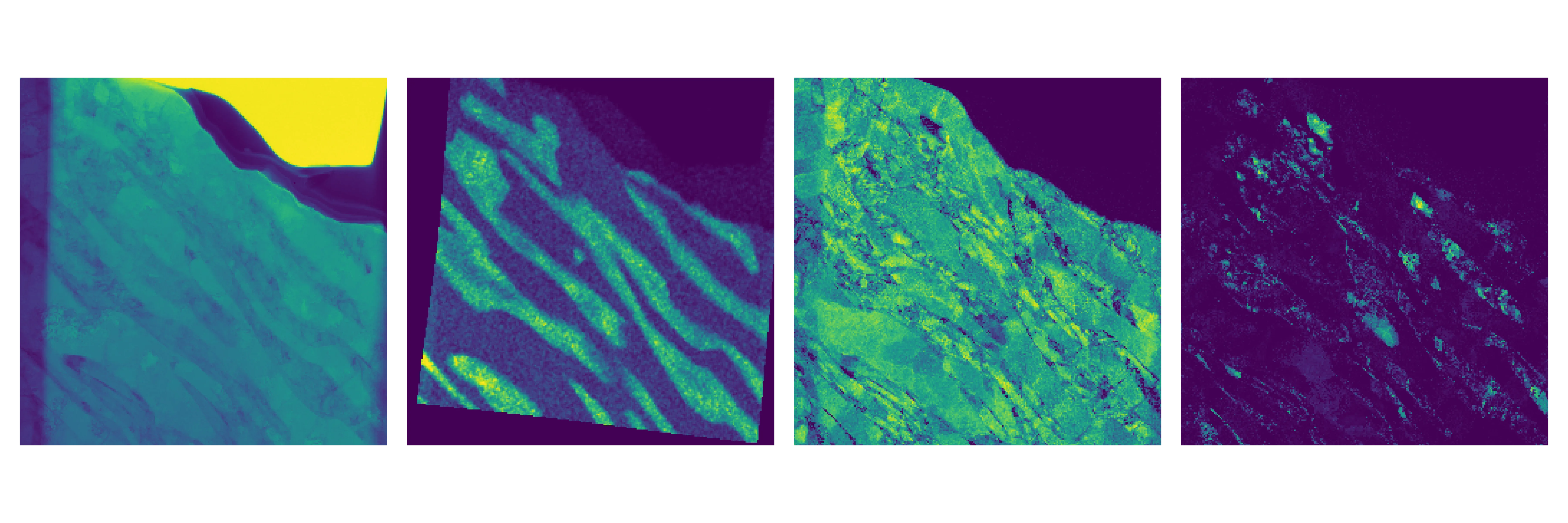
Steel is not just a piece of iron. Inside it, like in a layered pie, different structures, phases, coexist. In ultra-strong steel for cars, there are three such phases: soft ferrite, strong martensite, and ductile austenite. Medium-manganese steel owes its strength precisely to this trio. But how the phases are distributed throughout the volume and how they change under load has long remained a mystery.
Scientists took a sheet of this steel and stretched it like chewing gum. Then they cut ultra-thin slices from both the deformed and untouched areas. Under the electron microscope, they combined two methods: one revealed the crystal lattice, the other mapped the manganese distribution. This allowed them to see, for the first time, which phase is where and how much manganese it contains, with a precision of 10 nanometers — a thousand times thinner than a human hair.
The results were surprising: after stretching, the metal's grains became finer, and their orientation changed. Ferrite turned out to be less stressed than martensite. Austenite partially transformed into martensite: this is what gives the steel its ultra-high strength. Now engineers can more precisely tailor the steel's composition to make cars lighter and safer.
In one cubic centimeter of such steel, there are so many grain boundaries that their total area is comparable to that of a football field.