Your Smartphone Instead of an X-Ray: How a Photo of Your Body Predicts Health express
The scale tells you your weight, but it's silent about where those pounds sit — in muscle or belly fat. And it's the fat tucked deep inside, around your organs, that's most often linked to heart disease and diabetes. Previously, you could only see it with an expensive scanner at a clinic. Now, a smartphone is all you need.
Scientists trained the program on tens of thousands of photos of people whose body composition had been precisely measured. Then they tested it on new volunteers: the program estimated body fat percentage with an error of only about two percent. For comparison, the usual body mass index (weight divided by height squared) often gets it wrong because it can't tell muscle from fat.
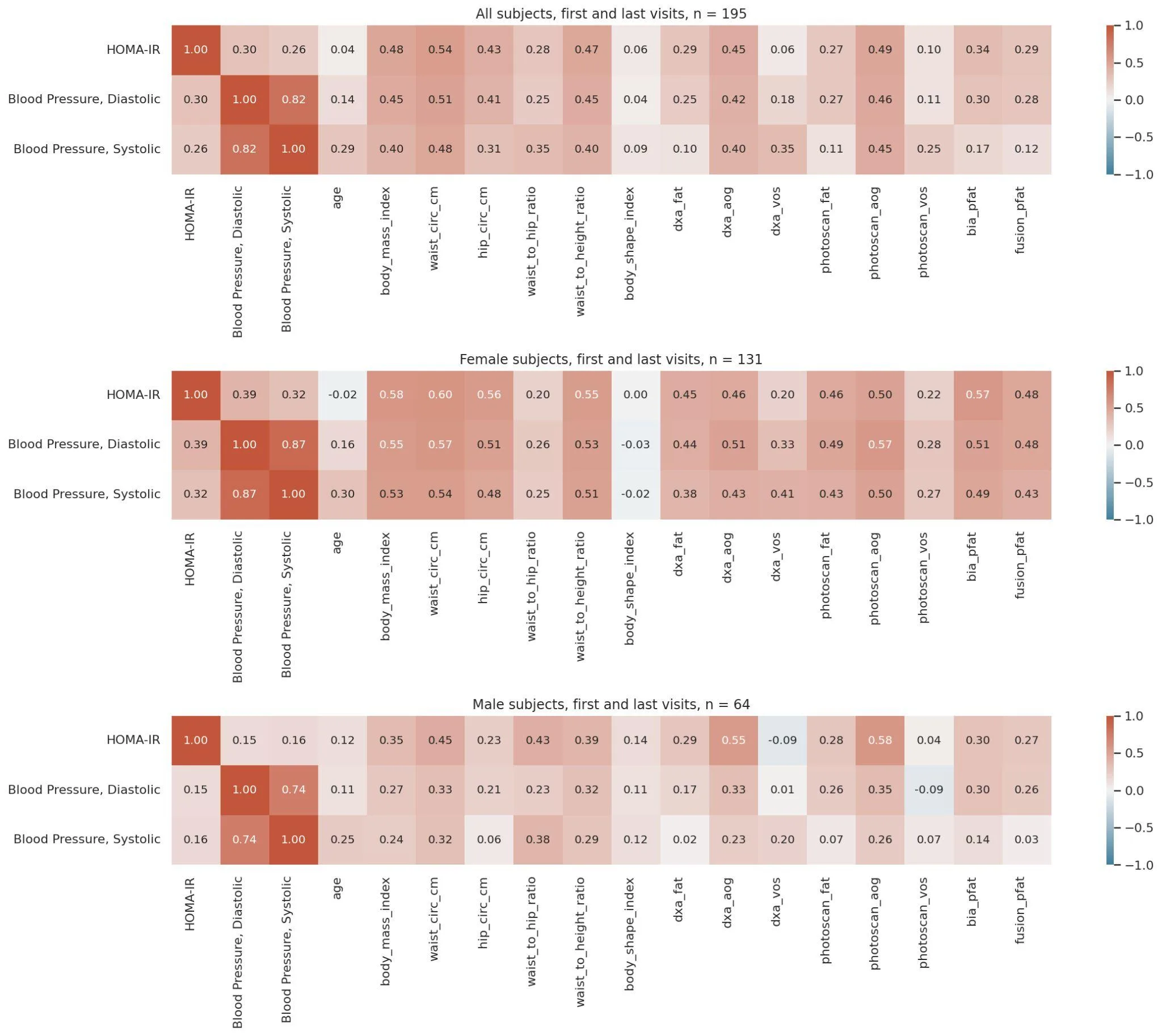
When they added the photo-based measurements to data on age, sex, and body mass index, the accuracy of predicting insulin resistance, the first step toward diabetes, improved noticeably. And it performed almost as well as using an expensive scanner. That means a simple snapshot could serve as an early warning sign for a doctor.
This approach won't replace a doctor, but it could make body composition screening accessible to millions. Instead of waiting in line for a complex exam, a photo can help catch the risk in time.
The body mass index was invented nearly 200 years ago for statistics, not for assessing an individual's health. It doesn't account for how much muscle you have versus fat.