Qubit Chills Out in a Sound Bath express
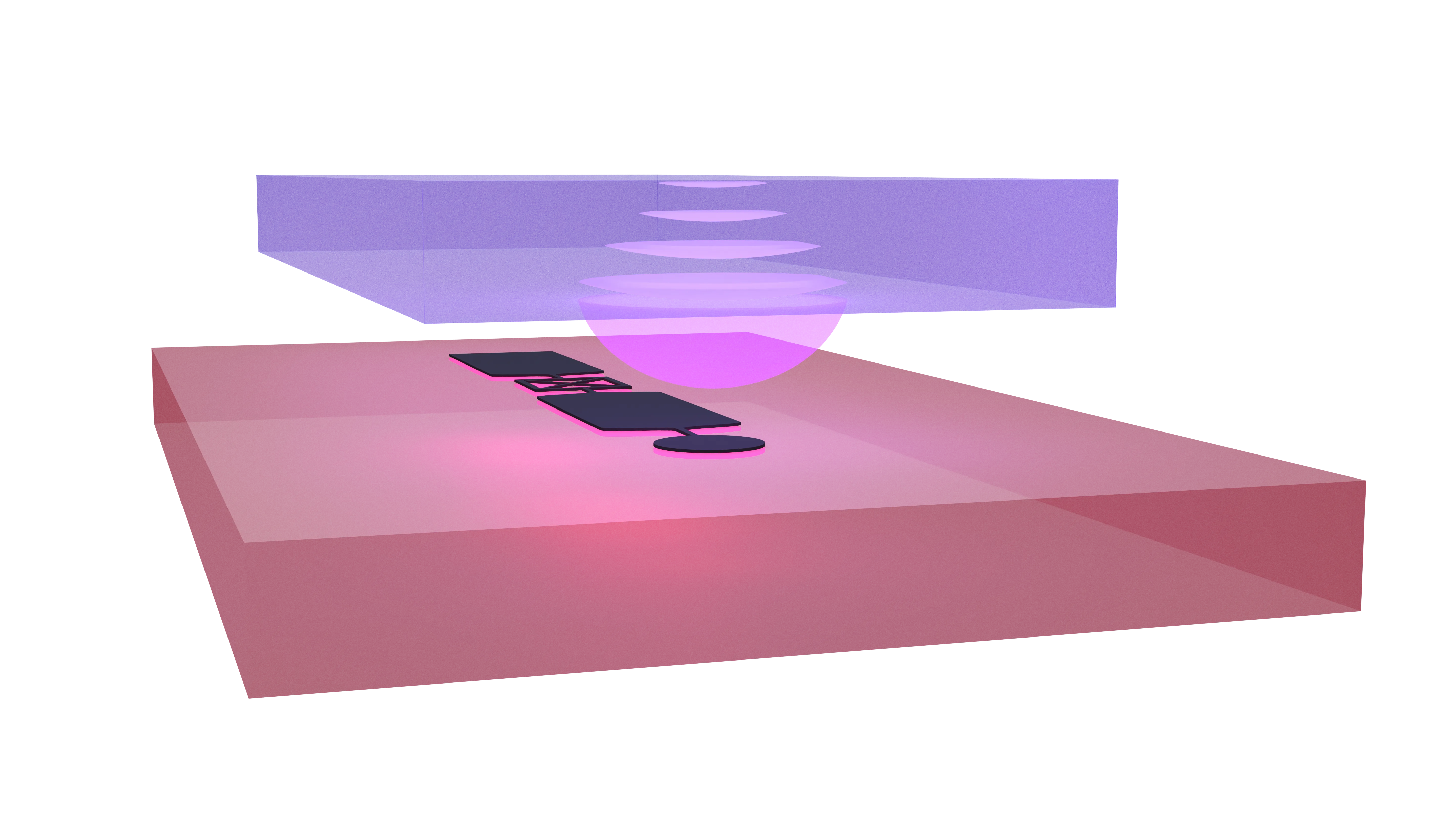
A qubit is like a string that must go still before a melody begins. If it vibrates, the music starts on a wrong note. In quantum computers, superconducting qubits play the role of that string. Before each calculation, they need to be calmed into their ground state — otherwise errors are inevitable.
Usually, qubits are cooled with electrical signals or by waiting for them to shed heat on their own. But these methods leave residual "jitter": roughly one qubit in a hundred doesn't fully settle. The authors of the new work took a different route. They connected the qubit to a device that converts excess heat into very high-frequency sound waves, as if the string's vibration were transferred to the violin body and damped there.
The result is impressive: after this "sound cooling," fewer than one qubit in ten thousand remains excited. That's a hundred times better than previous schemes. The qubit is almost perfectly ready for work.
This approach requires no complex electronics or feedback loops. Just properly tune an acoustic resonator. In the future, this could simplify building large quantum processors, where thousands of qubits need to be quickly and reliably reset to their initial state.
The frequency of the sound waves that carry away the qubit's heat is several gigahertz — a billion times higher than the highest pitch a human ear can hear.