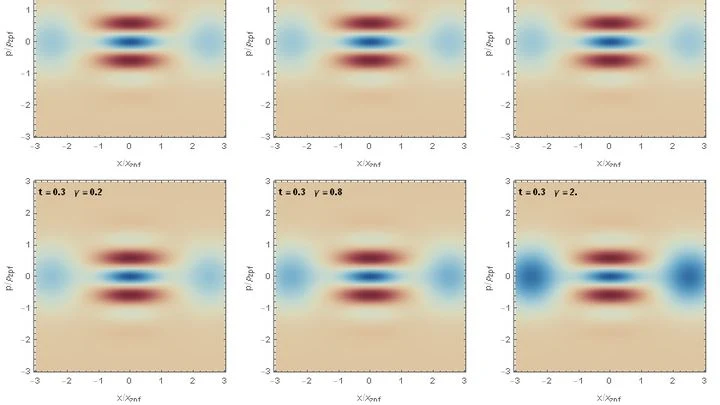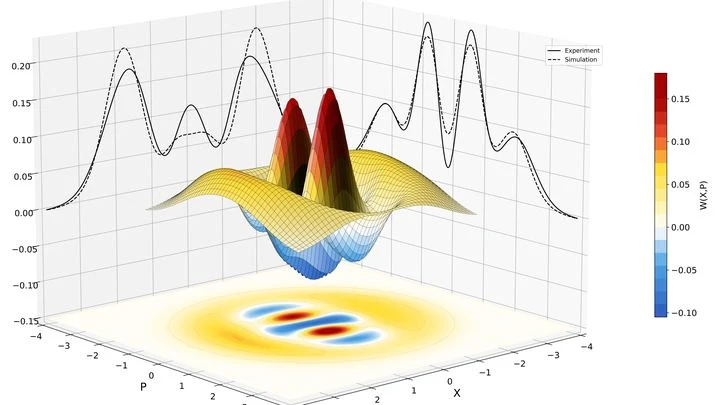
Quantum Symphony from Noise: How Spontaneous Emission Gives Birth to Entanglement
Spontaneous emission, the very process that lights up lamps and stars, has long been considered a pesky noise in quantum physics. This cacophony of random photons ruthlessly destroys fragile quantum entanglement, like radio static drowning out a distant melody.