Ruby Pupae: How Dark Matter Transforms the Face of Galaxies ✦
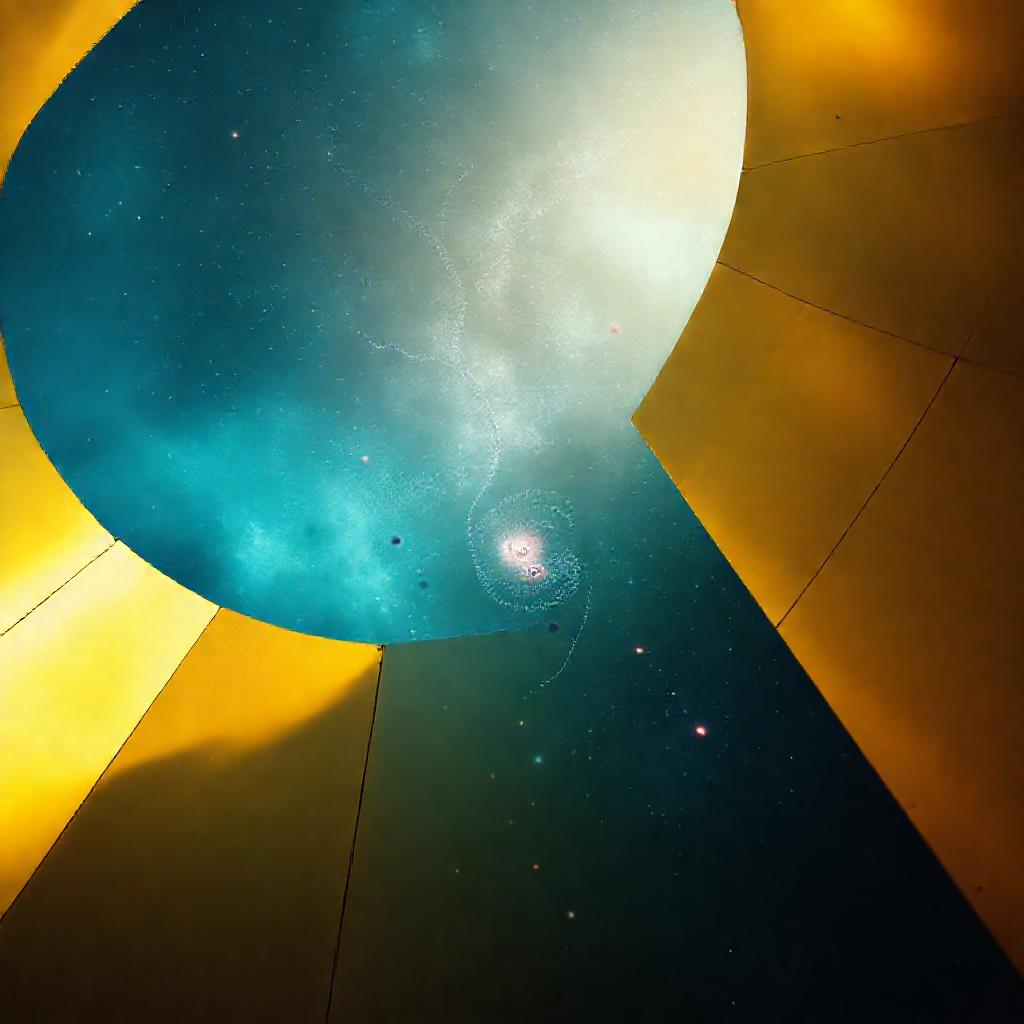
In the early Universe, JWST spotted ruby dots—compact cocoons with black holes inside. They hide in sparse regions, but as the dark matter cocoon gains mass, the galaxy expands and transforms into an ordinary one. This dance explains how supermassive black holes came to be—like pupae turning into butterflies. The Roman telescope will be able to catch the moment these galactic pupae vanish.
🎯 The term 'little red dots' entered astronomical slang in 2022 after the first JWST images: these objects remain unresolved even at maximum magnification, appearing as ruby dots against the black sky.
🎬 These distant 'red dots' evoke the mysterious monoliths from Arthur C. Clarke's 'Space Odyssey' — compact sources that, like alien artifacts, hold the secrets of the early Universe's evolution.