The Indigenous Perspective on the Drake Equation ⚡ экспресс
Original: "Indigenizing the Drake Equation: how Indigenous methods can help us understand life in the Milky Way Galaxy"
Traditional knowledge flips the equation—and the Galaxy turns out to be densely populated.
Links in the knowledge graph 1
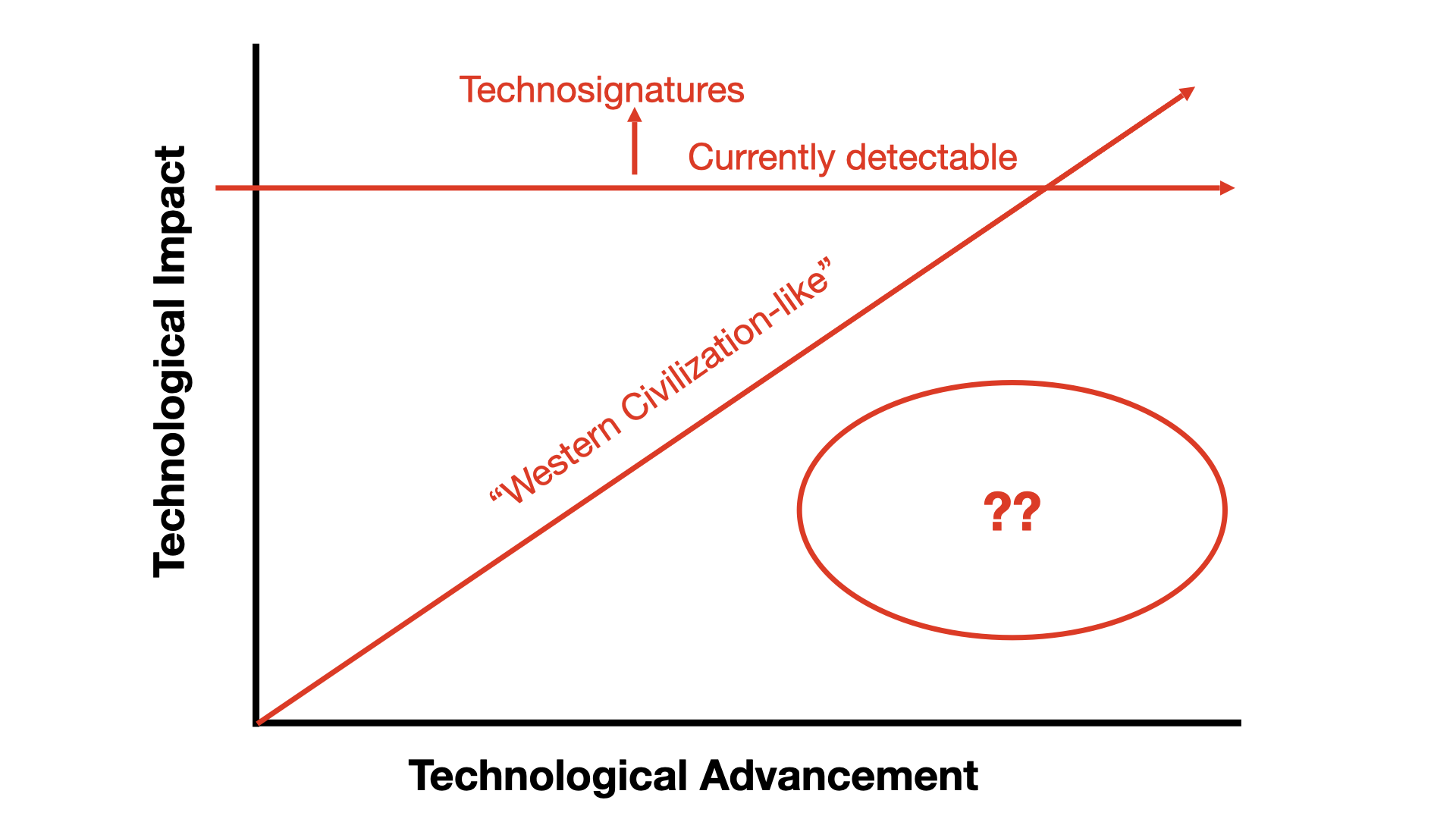
The Drake Equation is like a recipe for guessing the number of intelligent neighbors in the Galaxy. We don't know the main ingredients—how many planets have life, intelligence, civilization. We usually judge by ourselves, but if we listen to the wisdom of indigenous peoples, where life is commonplace, the answer could be staggeringly large.
🎯 Frank Drake devised the equation for a 1961 conference, hoping to organize thoughts rather than get a number. Today it's less a calculator and more a mirror of our assumptions.
🎬 Sci-fi movies like 'Contact' build on the assumptions of the Drake Equation—but what if it was solved not by an astronomer, but by a bearer of traditional knowledge?
N = R_* \times f_p \times n_e \times f_l \times f_i \times f_c \times L
N — number of civilizations ready for contact; R* — star formation rate; fp — fraction of stars with planets; ne — number of habitable planets per star; fl — fraction of planets with life; fi — fraction where life becomes intelligent; fc — fraction of civilizations that release detectable signs; L — lifetime of a technological civilization.