The Indigenous Perspective on the Drake Equation express
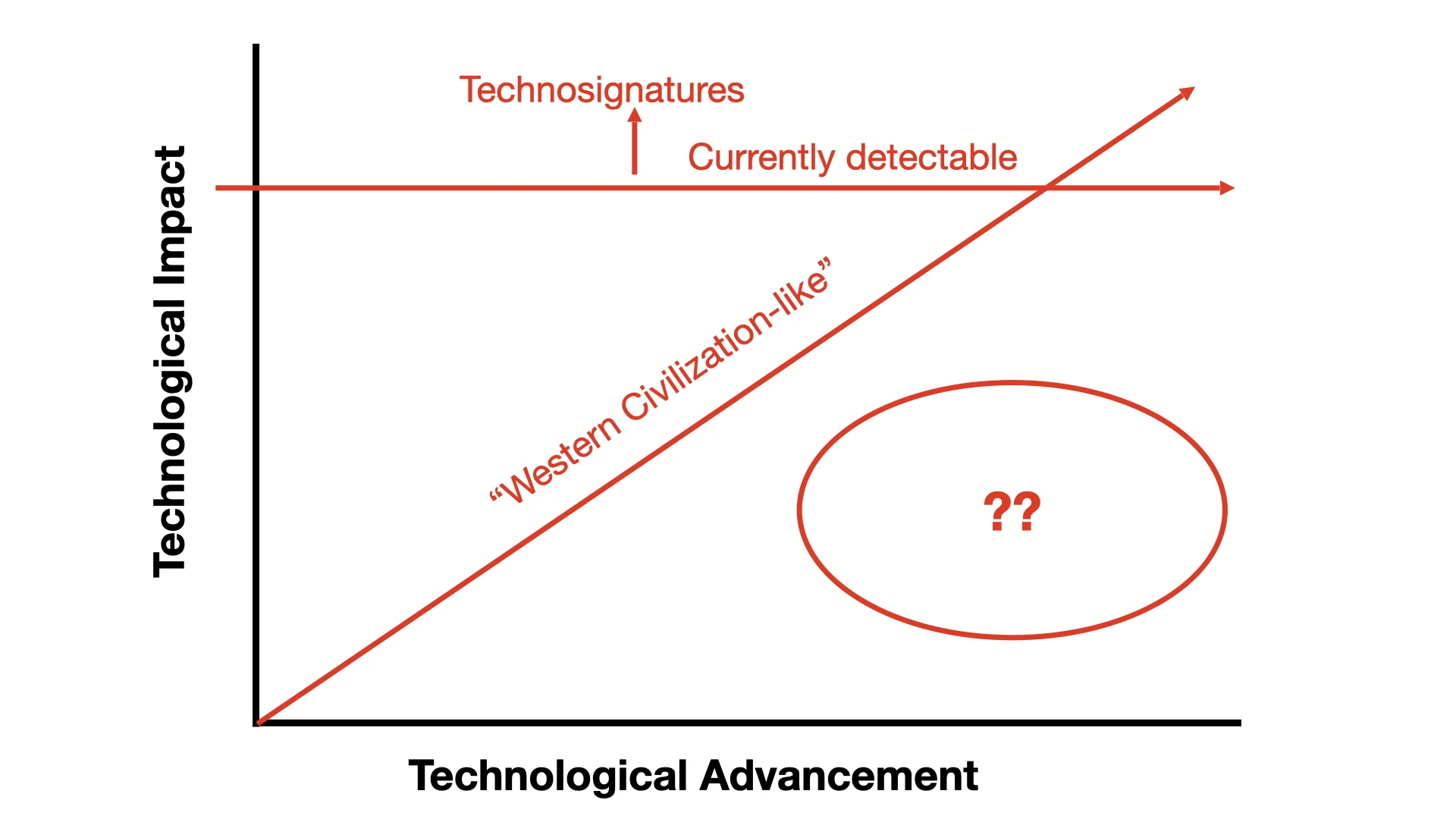
The Drake Equation is an attempt to guess the number of intelligent civilizations in our Galaxy. It’s like counting finished cakes in an unknown bakery: you know the ovens (stars), the baking sheets (planets), and the baking time. But were eggs added to the batter? Western science, relying on a single earthly recipe, considers them a rare ingredient. Indigenous knowledge flips the script: eggs are the basis of any cosmic dough, life is not an exception but the rule.
Civilizations in such a universe aren’t flash-in-the-pan quickbreads but sourdough loaves — living for millennia. The equation spits out staggering numbers, and the search for intelligence turns from eavesdropping on radio noise into a communal meal. The irony is that Drake himself later considered the parameters of life and intelligence to be the stumbling block — precisely the factors that traditional cultures would never have taken for zero.
Frank Drake devised the equation for a 1961 conference, hoping to organize thoughts rather than get a number. Today it's less a calculator and more a mirror of our assumptions.
Sci-fi movies like 'Contact' build on the assumptions of the Drake Equation, but what if it was solved not by an astronomer, but by a bearer of traditional knowledge?