Invitados del abismo: cómo los planetas errantes cambiaron el destino de la Tierra exprés
En los rincones más remotos del sistema solar se esconden miles de objetos del tamaño de un planeta. A veces, sus trayectorias se cruzan con la órbita terrestre. No hace falta que choquen: incluso pasando cerca, un monstruo así puede desatar una catástrofe.
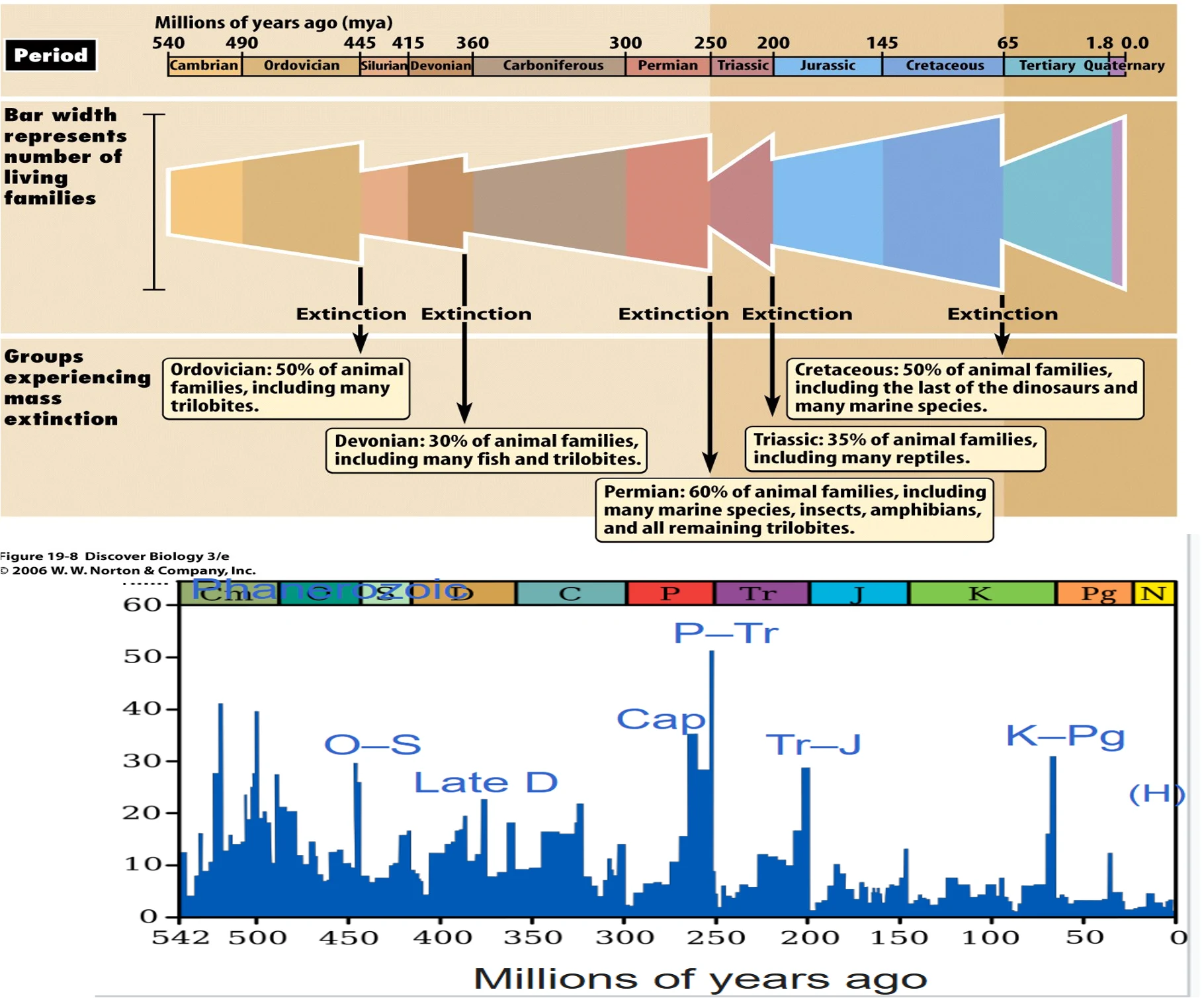
Estos eventos dejaron huellas en las rocas: capas de ceniza y restos de animales arrasados por todo el mundo. La extinción de los dinosaurios hace 66 millones de años quizá no la causó solo un asteroide, sino también un planeta errante. Y el propio Sol, en su larga vida, ha capturado a estos vagabundos, por lo que su calor se intensificó temporalmente: la Tierra se congelaba o se asaba.
Resumen original
tal como lo escribieron los autores, en inglés arXiv:2606.17105
Past and recent observations suggest that many planetary mass or dwarf planet objects may exist in the outer Solar System. Gravitational perturbations may occasionally bring some of them into the inner Solar System. The early, rare collision between the early Earth and a Mars sized body is generally invoked to explain the formation of the Moon. More probable than a direct impact, are grazing or near Earth flybys of similar objects. Such passages may have left strong tidal signatures: giant waves, large volcanic episodes, sea regressions, coherent meteor showers, and major climatic perturbations. These mechanisms could have contributed to several major biological mass extinctions over the past $$600$$ million years, as suggested by peculiar correlations in the geological record. Similar events may have occurred several times during the earlier history of Earth. Accretion of mini planets by largest planets and in particular by the Sun may also have occurred many more times over the last four billion years. Possibly producing additional temperature variations on planets and Earth.
Las fuerzas de marea amasan a Ío, luna de Júpiter, tanto que no para de expulsar lava, como un atizador cósmico que remueve las brasas.
En la novela «Evolución» de Stephen Baxter, el paso de una estrella de neutrones altera el clima terrestre y provoca una extinción.