Тень Земли ищет инопланетные зонды экспресс
Ещё в XVIII веке Уильям Гершель искал жизнь на Марсе. Сегодня астрономы целятся не в планеты, а в артефакты — например, зонды пришельцев, затаившиеся в Солнечной системе. Проблема в том, что заметить крошечный объект рядом с ослепительным Солнцем почти невозможно. Новая идея: превратить тень Земли в естественный фильтр.
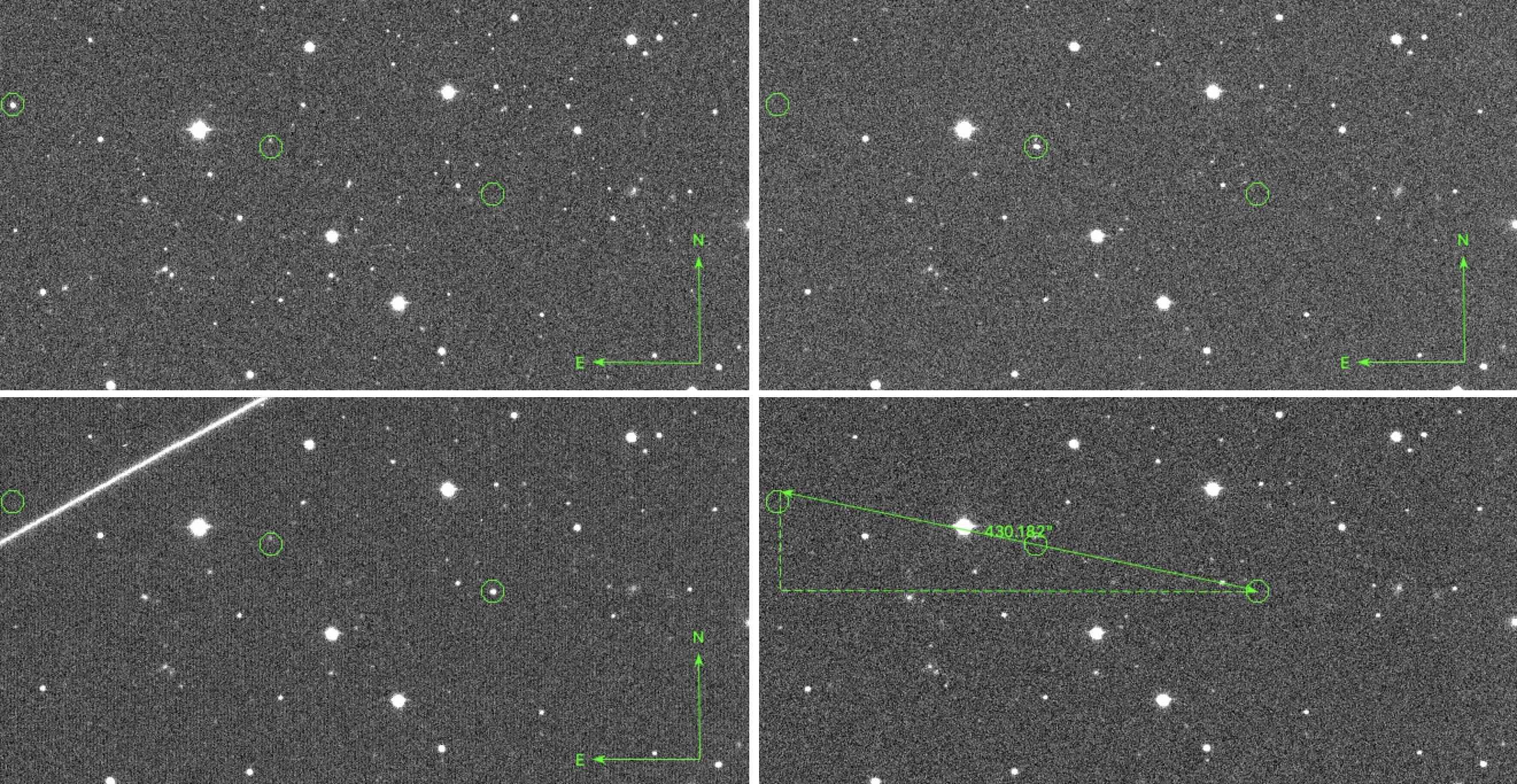
Тень работает как глубокий колодец. Днём со дна колодца видны звёзды, потому что стенки отсекают прямой свет. Точно так же конус земной тени, уходящий в космос на полтора миллиона километров, заслоняет Солнце и делает видимыми слабые вспышки. Группа учёных проанализировала снимки автоматического телескопа Цвикки (ZTF), который каждую ночь фотографирует небо. Они искали объекты, мелькающие у границы тени всего пару секунд.
В данных нашлись десятки неизвестных быстропеременных вспышек, прежде не внесённых в каталоги. Скорее всего, это космический мусор или астероиды, но сама техника доказала свою силу. Систематический прочёс «колодца» может превратить поиск внеземного разума из мечтаний в наблюдательную науку.
Оригинальная аннотация
как её написали авторы, на английском arXiv:2510.17907
For centuries, astronomers have discussed the possibility of inhabited worlds - from Herschel's 18th-century observations suggesting Mars may host life, to the systematic search for technosignatures that began in the 1960s using radio telescopes. Searching for artifacts in the solar system has received relatively little formal scientific interest and has faced significant technical and social challenges. Automated surveys and new observational techniques developed over the past decade now enable astronomers to survey parts of the sky for anomalous objects. We briefly describe four methods for detecting extraterrestrial artifacts and probes within the Solar System and then focus on demonstrating one of these. The first makes use of pre-Sputnik images to search for flashes from glinting objects. The second method makes use of space-borne telescopes to search for artificial objects. A third approach involves examining the reflectance spectra of objects in Earth orbit, in search of the characteristic reddening that may imply long-term exposure of metallic surfaces to space weathering. We focus here on a fourth approach, which involves using Earth's shadow as a filter when searching for optically luminous objects in near-Earth space. We demonstrate a proof-of-concept of this method by conducting two searches for transients in images acquired by the Zwicky Transient Facility (ZTF), which has generated many repeated 30-second exposures of the same fields. In this way, we identified previously uncatalogued events at short angular separations from the center of the shadow, motivating more extensive searches using this technique. We conclude that the Earth's shadow presents a new and exciting search domain for near-Earth SETI.
Земная тень простирается на расстояние около 1,4 миллиона километров — это почти четыре дистанции до Луны.