Планетарная скороварка: как газ и камень рождают океаны экспресс
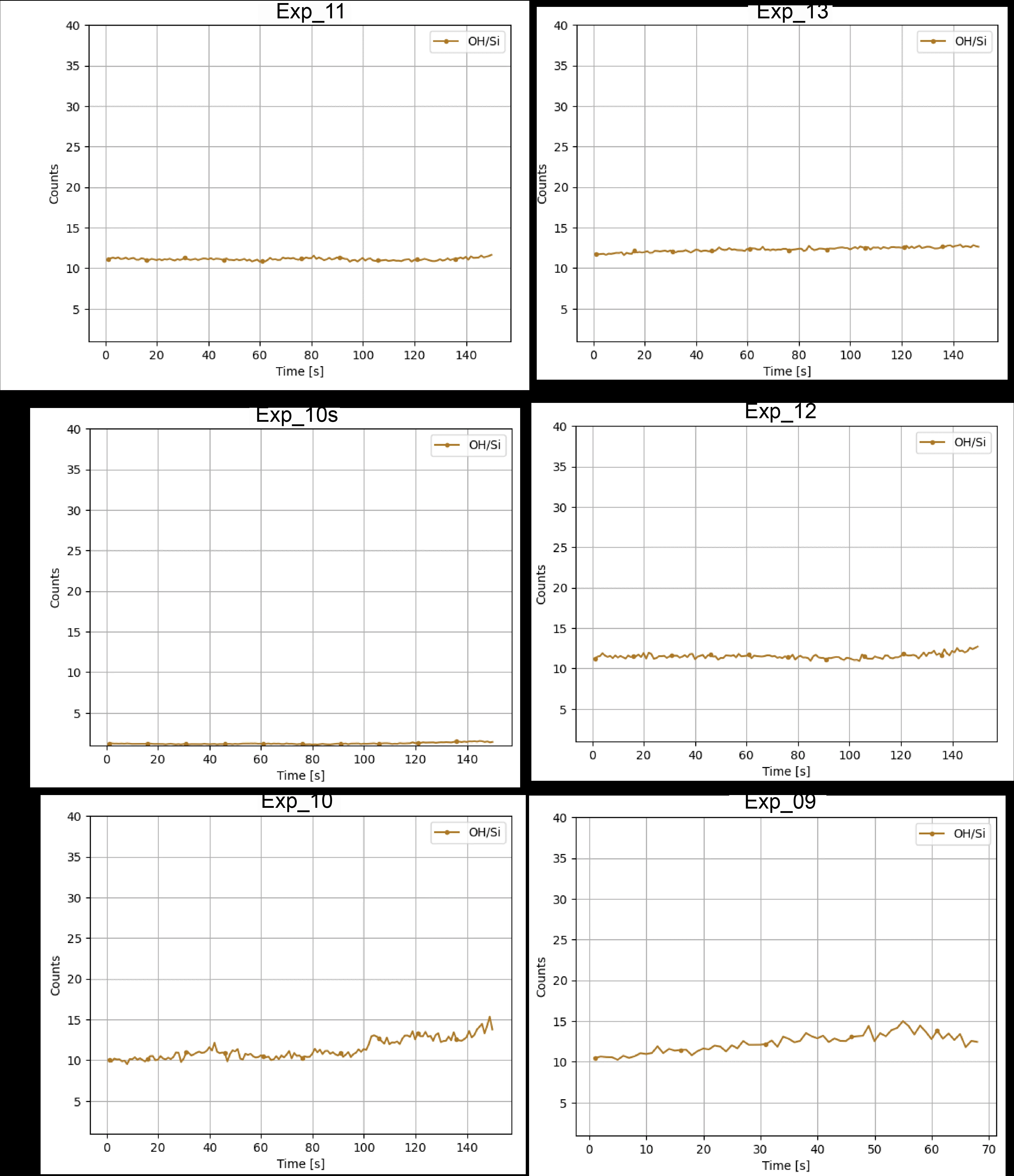
Самый обычный тип планет в нашей Галактике — каменные миры у других звёзд, или экзопланеты, окутанные простейшим газом водородом. Их начинка оставалась тайной, пока учёные не воспроизвели условия недр в лаборатории. Оказалось, что внутри такая планета работает как гигантская скороварка: при жаре за 4000°C и чудовищном давлении водород проникает в расплавленный камень, отнимая кислород у оксидов железа. Рождается вода, а освобождённое железо собирается в тяжёлые капли, подобные крупинкам в кипящем бульоне. За один цикл варки здесь накапливается масса воды, сравнимая с десятками земных океанов, а попутно выделяется тепло, которое ещё долго греет планету изнутри. Эта подземная кухня переписывает историю воды во Вселенной: океаны могут появляться не только от ударов комет, но и прямо из первородного газа, окутавшего новорождённый мир. И если наша Земля в младенчестве тоже носила водородную шубу, её собственный Мировой океан мог свариться в таком же каменном котле.
Оригинальная аннотация
как её написали авторы, на английском arXiv:2511.01351
The most abundant type of planet discovered in the Galaxy has no analogue in our Solar System and is believed to consist of a rocky interior with an overlying thick H2 dominated envelope. Models have predicted that the reaction between the atmospheric hydrogen and the underlying magma ocean can lead to the production of significant amounts of water. The models suffer however from the current lack of experimental data on the reaction between hydrogen and silicate melt at high pressures and temperatures. Here we present novel experimental results designed to investigate this interaction. Laser heating diamond anvil cell experiments were conducted between 16 and 60 GPa at temperatures above 4000 K. We find that copious amounts of hydrogen dissolve into the silicate melt with a large dependence on temperature rather than pressure. We also find that the reduction of iron oxide leads to the production of significant amounts of water along with the formation of iron-enriched blebs. Altogether, the results predict that the typical processes attending planet formation will result in significant water production with repercussions for the chemistry and structure of the planetary interior as well as the atmosphere.
Если бы молодая Земля сумела удержать водородную оболочку, она сама «выварила» бы себе Мировой океан — без всяких комет.