A Trap Separator for Sulfur Batteries express
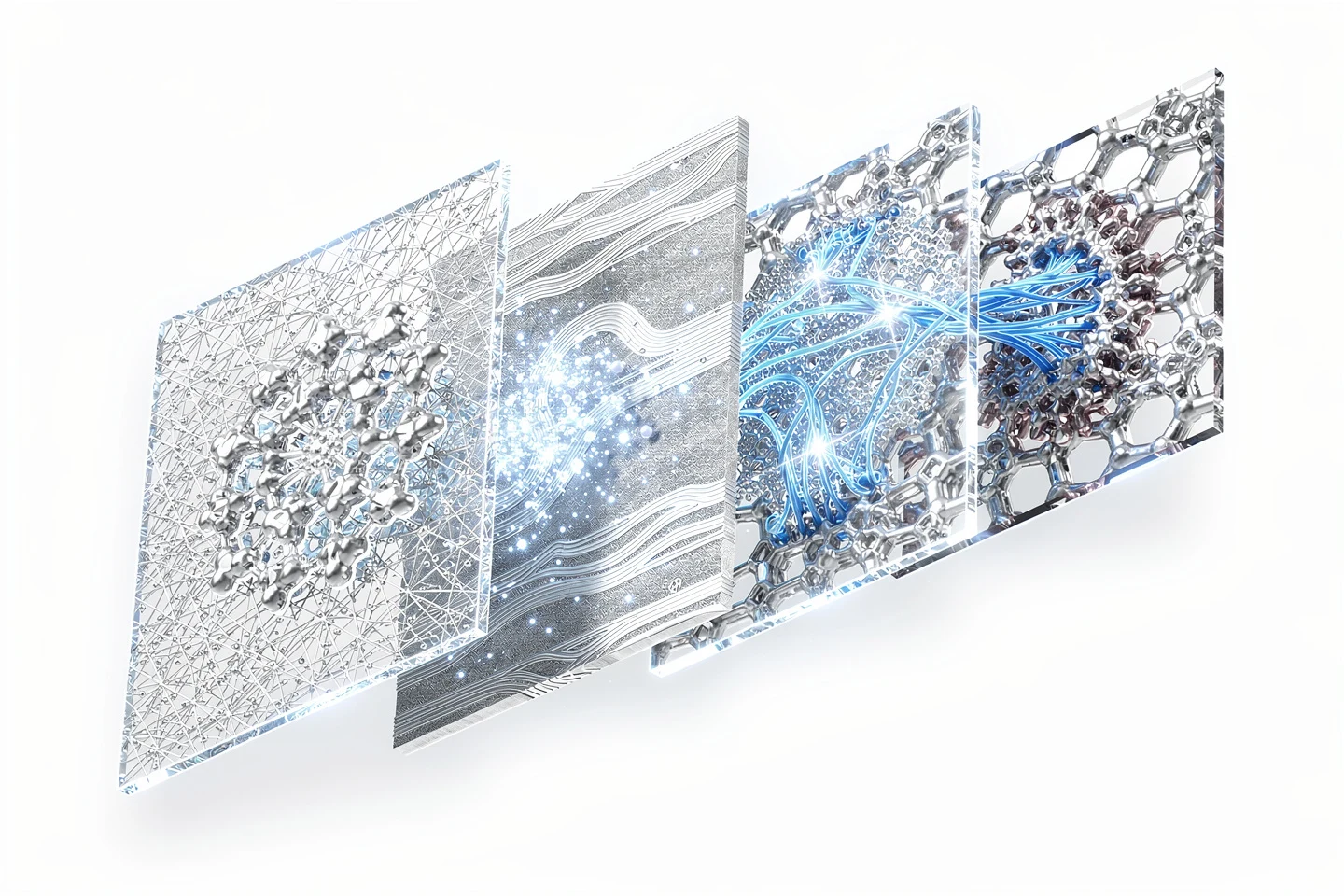
In a lithium-sulfur battery, sulfur tends to dissolve and drift toward the other electrode — the battery loses charge within dozens of cycles. To hold the runaway in check, a separator film is placed between the electrodes. A standard polyethylene film lets lithium ions through, but sulfur molecules slip along with them.
Researchers dressed such a film in thin layers: nickel, cobalt, and LAGP ceramic, which conducts lithium ions like a hallway for couriers. The coatings were applied by ion-beam sputtering, like spray paint, but with atom-sized particles. Then they tested in a cell with liquid electrolyte how well the film holds sulfur.
The best performer was a sandwich of ceramic and cobalt: it trapped sulfur molecules and did not degrade over time. Nickel alone quickly lost ground — likely reacting in side reactions or peeling off. Embedding nickel directly into the polyethylene changed almost nothing.
The film with ceramic and cobalt acts like a turnstile that lets only lithium ions through while blocking sulfur. This extends battery life and brings it closer to mass production.
Sulfur is one of the cheapest battery materials: it is abundant in oil refinery waste, and the lithium-sulfur pair theoretically stores several times more energy per kilogram than a standard lithium-ion battery.