Beyond batteries, cobalt's chemistry is also relevant to astrophysics. The radioactive isotope cobalt-56 is produced in supernova explosions, and its decay chain powers the late-time light curves of these stellar explosions. The article 'Ржавое сердце межзвёздной кометы: как коррозия заставляет её сиять' (Rusty heart of an interstellar comet: how corrosion makes it shine) touches on a different kind of metal chemistry in space, but it underscores the broader theme of metals playing unexpected roles in cosmic phenomena.
History
Cobalt has been used in pigments and glassmaking for centuries, but its role in batteries dates to the 1990s, when Sony introduced the first commercial lithium-ion battery using a lithium cobalt oxide cathode. The search for cobalt alternatives gained momentum in the 2010s as electric vehicle demand surged and supply chain issues became more visible.
How it works
In a lithium-ion battery, the cathode is typically a layered oxide that hosts lithium ions during discharge. Cobalt's value lies in its ability to stabilize this crystal structure, preventing it from degrading after many charge-discharge cycles. When cobalt is replaced by chromium, the challenge is to maintain that structural integrity. Chromium can adopt multiple oxidation states, which can either help or hinder battery performance. The breakthrough described in the article involves a specific chromium compound that forms a protective oxide layer, preventing the corrosion that would otherwise shorten the battery's life.
In practice
Cobalt is used in lithium-ion batteries for electric vehicles, smartphones, and laptops, as well as in superalloys for jet engines and in magnetic recording media. The chromium-based battery research aims to replace cobalt in these applications, potentially reducing cost and improving sustainability.
Fun fact
Cobalt's name comes from the German 'kobold', meaning goblin, because medieval miners blamed the troublesome ore for contaminating their silver with toxic fumes.
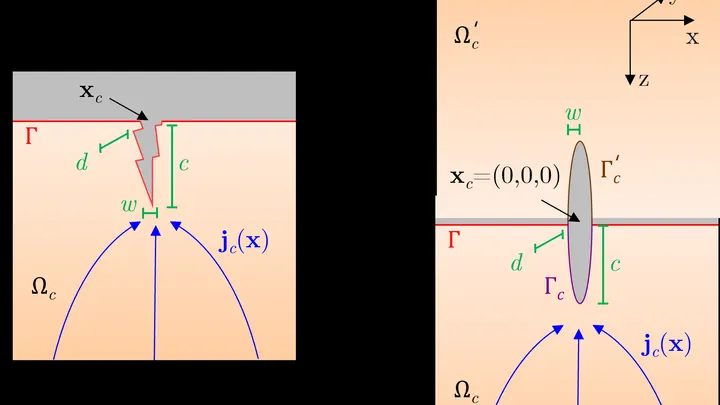
A metal filament as thin as a hair grows through the ceramic like a root through asphalt. In solid-state batteries, such filaments are called dendrites, and they appear when the charging current exceeds a critical threshold. The ceramic electrolyte is solid but brittle, like glass.
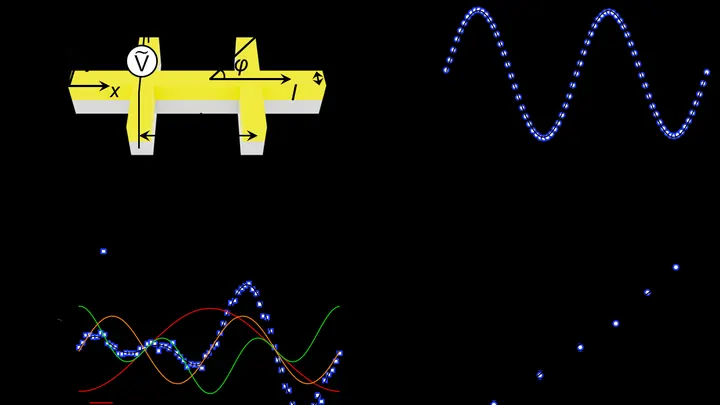
A magnetic material can be compared to a crowd of tiny compasses. In an ordinary magnet, all the needles point in the same direction, and turning them all at once is no easy feat. Physicists have found a way to do this with an electric current.