The Proton Under a New Microscope express
The proton is not a smooth ball but a tangle of smaller particles in constant motion. To peek inside, physicists fire electrons at protons and watch how they bounce off. The new machine, the Electron-Ion Collider, will do this with unprecedented accuracy.
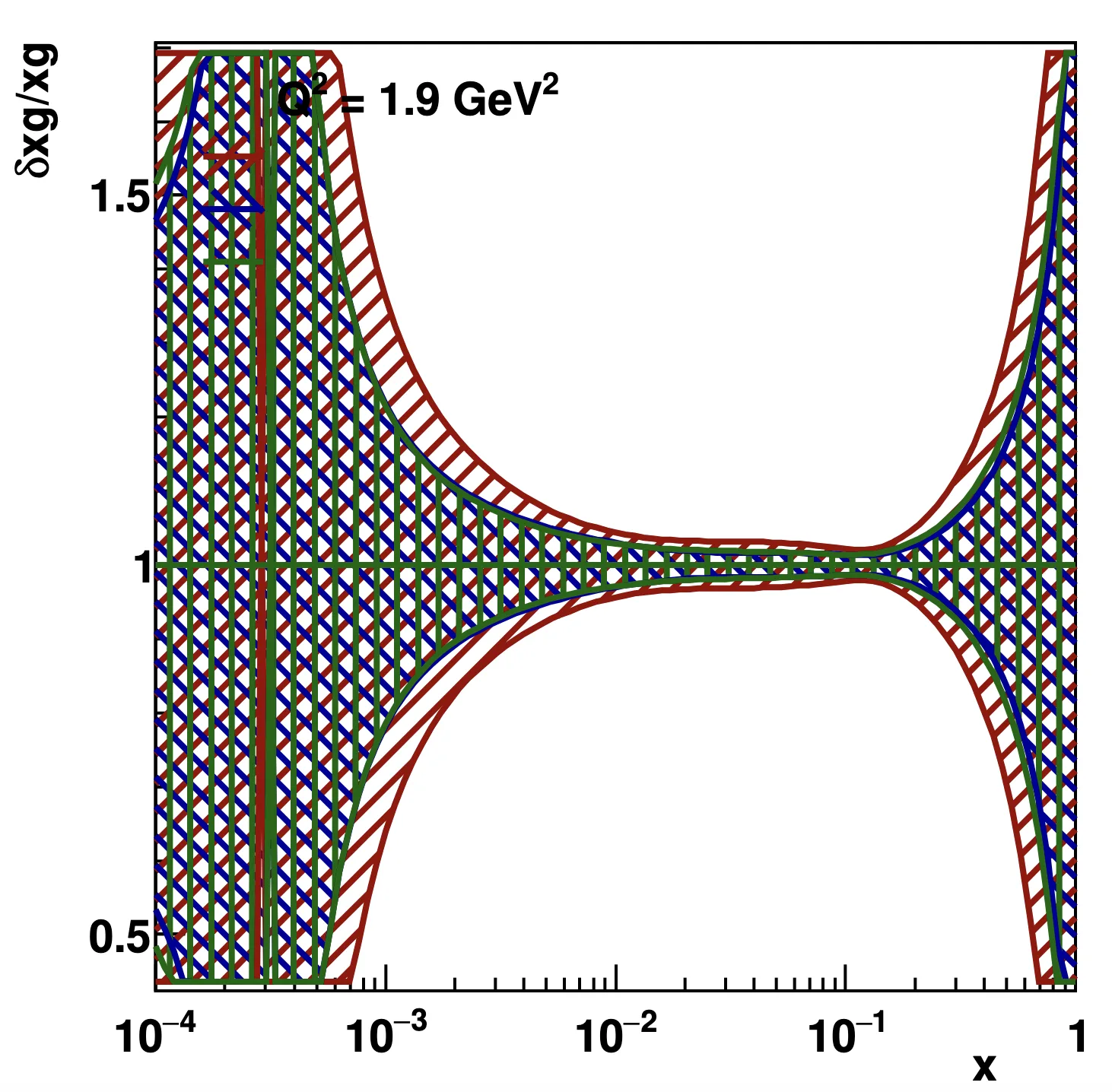
Scientists have run simulations to see what would happen if data were collected at different energies. They found that three energy settings instead of two give noticeably more precise results. This is especially clear when measuring the force that holds particles together inside the proton.
First data from the collider will help pin down how the proton's constituents are distributed inside it. This will allow tests of the calculations that describe particle behavior. Such knowledge is not just for physicists: it underpins many technologies, from medical scanners to new materials.
The proton is so small that if you scaled it up to the size of a soccer ball, an atom would be as large as a whole stadium.