A Virus Knocks on the Cell: The Quantum Rhythm of Recognition express
A virus approaches a cell like a key to a lock. But this lock is not ordinary: it vibrates, it trembles, and whether the key matches the rhythm of those tremors determines if the door opens. According to new research, this is exactly how recognition works between the coronavirus spike protein and the ACE2 receptor on the surface of human cells.
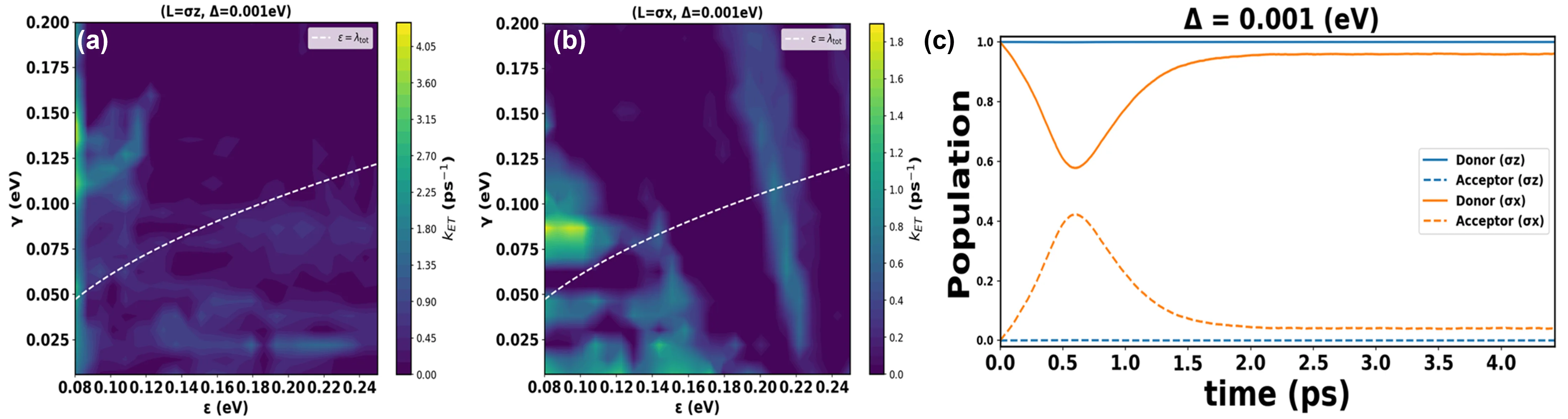
Scientists treated the contact site as a tiny quantum system immersed in the warm, noisy environment of a living cell. They found that vibrations at a specific frequency in the spike protein help electrons jump from one molecule to another. This jump is like the click of a lock, after which the virus firmly attaches to the cell. But for the click to happen, the vibrations must match the rhythm of the electron transition. If the rhythm is off, the virus simply bounces away.
What's especially interesting is that the "memory" of the environment, how quickly it forgets past interactions, plays a key role. When memory is long, quantum coherence lasts longer, and vibrational selectivity is enhanced. This means the virus can distinguish between nearly identical receptors simply by "listening" to their vibrations.
This mechanism resembles tuning a radio: you need to hit the exact frequency of the station to hear the broadcast. The virus may be using the same idea to find the right cell among many similar ones.
The coronavirus spike protein vibrates at a frequency of about 100 gigahertz — a billion times faster than a mosquito flaps its wings.
The idea of quantum recognition via vibrations echoes the "quantum sense" in Liu Cixin's novel "The Three-Body Problem," where aliens use quantum effects for communication.