The Crystal That Remembers express
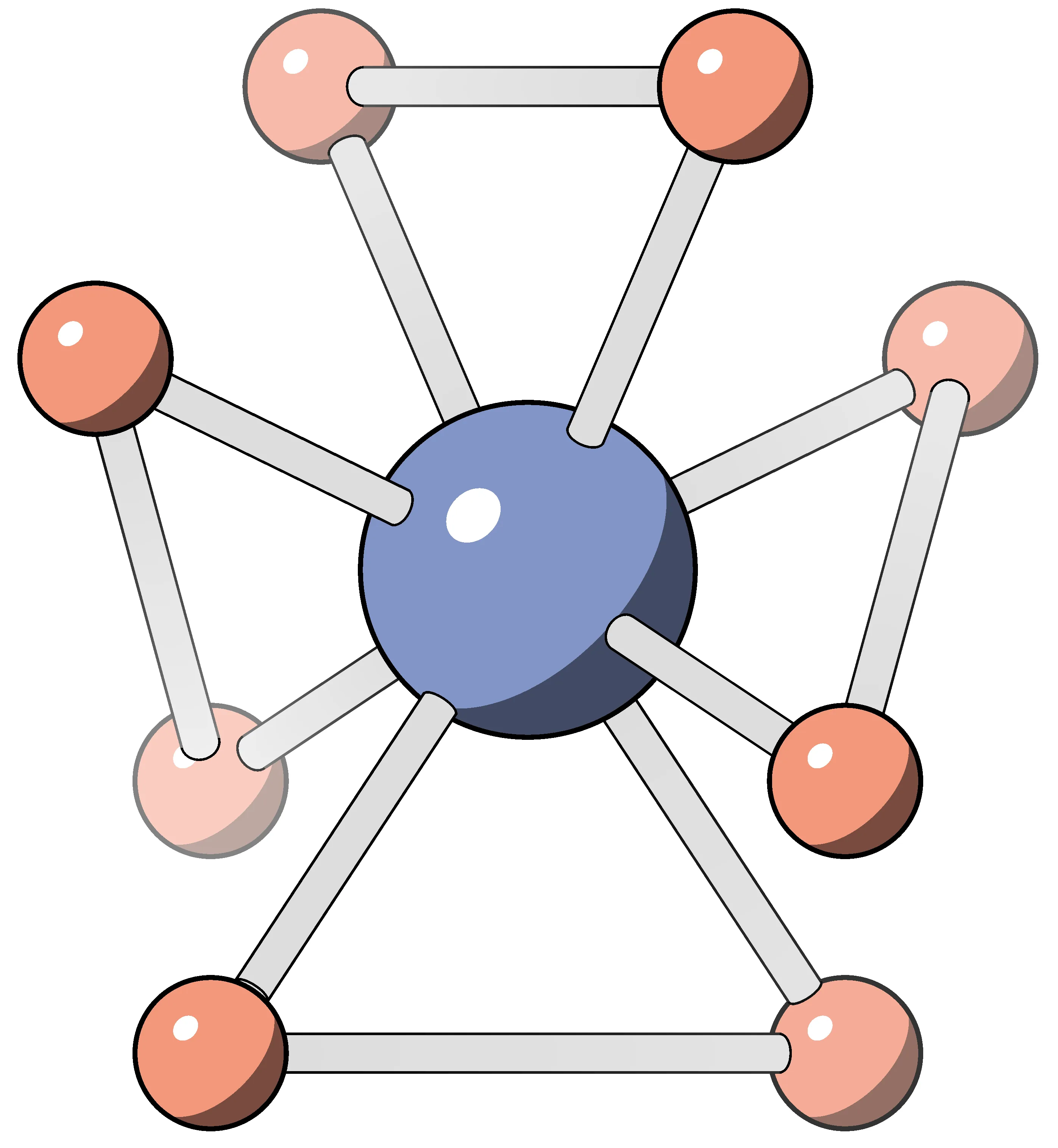
A calcium tungstate (CaWO₄) crystal is like a musical instrument: its atoms vibrate like strings, and these vibrations can 'drown out' fragile quantum information. To understand exactly how this happens, scientists bombarded the crystal with neutrons and recorded the response — producing a map of all possible vibrations, from low notes to very high ones.
It turned out that in this 'music' there is a quiet region: between 60 and 80 meV (a unit of vibration energy) there are almost no vibrations, but above that they resume, up to 130 meV. Among all the vibrations, one stood out — at an energy of 9.1 meV. It acts like a hand that plucks a string when an erbium ion (a rare-earth metal that stores the quantum state) enters the crystal. It is through this vibration that quantum information most quickly 'leaks' into heat.
Now that the exact 'score' of vibrations is known, engineers can tweak the crystal's composition or temperature to dampen the problematic vibration. Such a crystal doped with erbium is a candidate for memory in future quantum computers, where data is stored in the states of individual ions.
This research doesn't just describe a material: it offers a recipe: how to tune the crystal lattice so that quantum information lasts longer. It's a step from a beautiful idea to a working device.
The neutrons used to 'illuminate' the crystal have no electric charge, so they penetrate deeply and sense precisely the atomic vibrations, not their electron shells.