Solar Cycles: How Magnetic Swings Sway the Future express
Sunspots are traces of magnetic fields that emerge on the surface. They live their own lives: spots closer to the equator tilt more, while those farther away tilt less. These two effects, like two knobs on an old radio, control how much magnetic field reaches the Sun's poles and accumulates there for the next cycle.
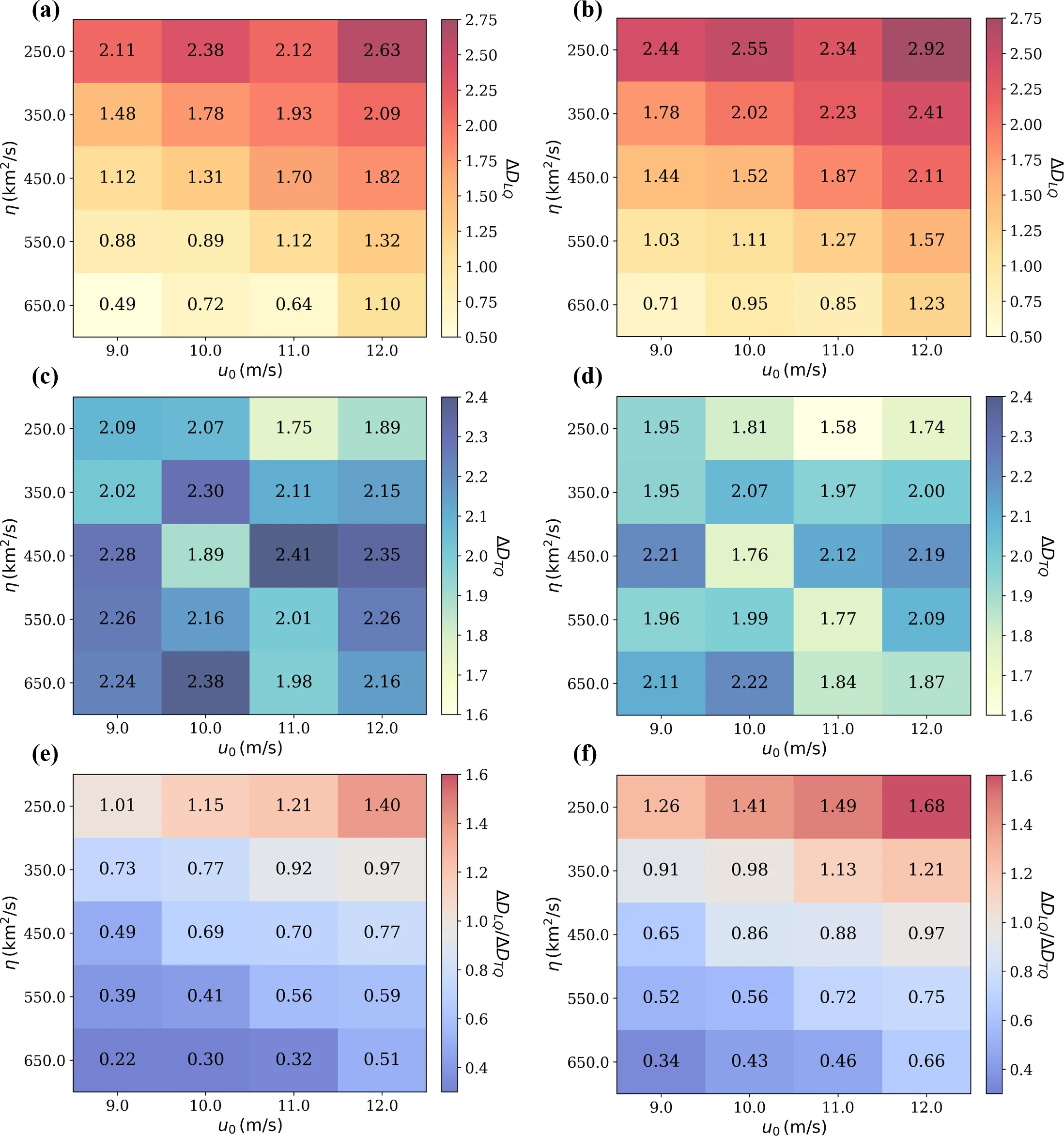
Researchers trained a neural network to solve the equation of magnetic field transport across the solar surface, embedding physical laws into it. This approach allowed them to separate the influence of spot tilt from that of latitude. They found that with rapid mixing of magnetic fields, the tilt effect is suppressed more, while with powerful plasma flows, the latitude effect dominates.
The key finding: the ratio of contributions from these two effects varies smoothly with the efficiency of the solar dynamo. This refines previous approximate formulas and reduces data scatter. The neural network approach yielded smaller errors than the traditional one-dimensional model and more reliably recovered nonlinear trends.
Such understanding helps better predict the strength of future solar cycles, which affect satellites, communications, and even space missions.
The solar cycle lasts about 11 years, but its strength can vary by factors: for example, the 24th cycle was nearly twice as weak as the previous one.